When tragedy strikes, prayer often becomes a rallying cry of hope and healing. But in today’s culture, the phrase “thoughts and prayers” is increasingly met with criticism. One survivor of the Columbine High School massacre is pushing back—hard.
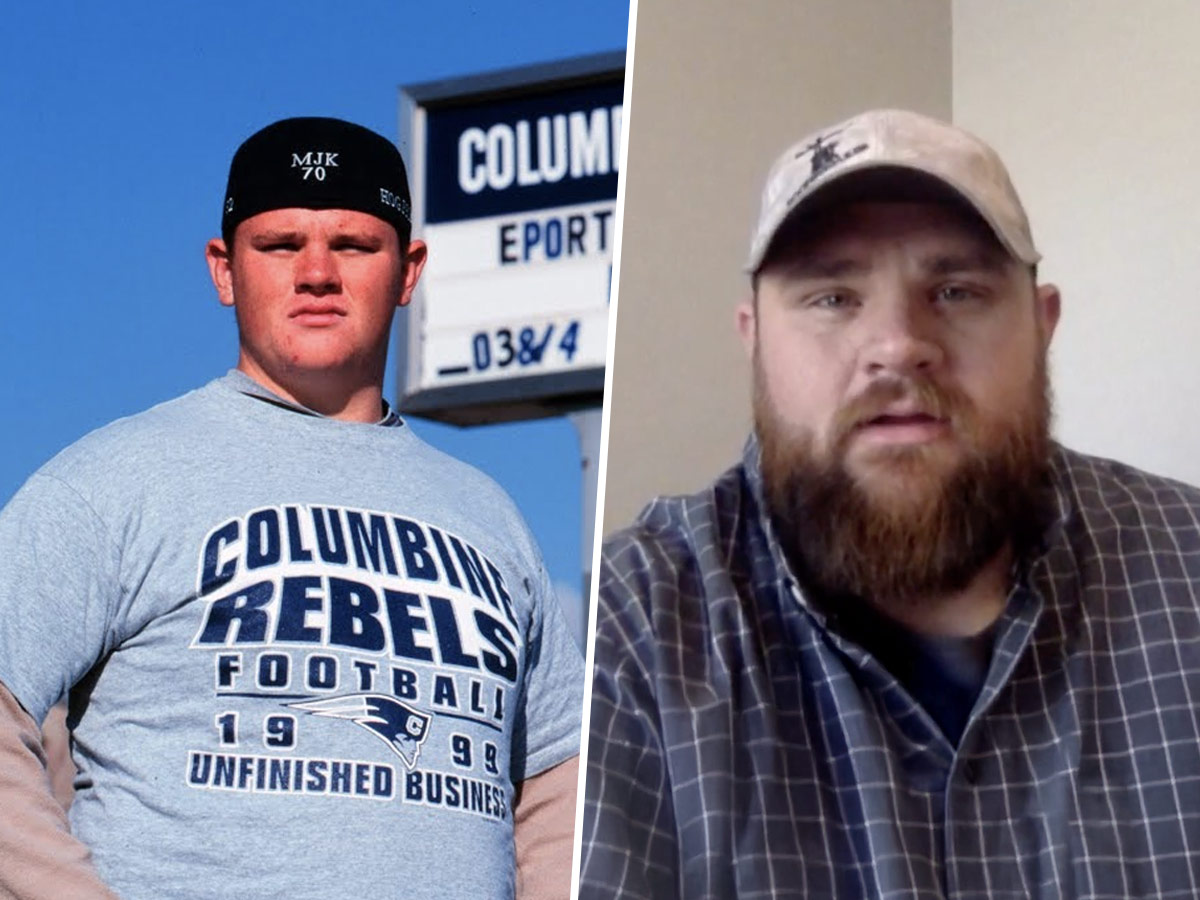
Evan Todd, who was shot and injured during the 1999 Columbine shooting, is speaking out after the horrific mass shooting at Annunciation Catholic Church in Minneapolis. Todd called the dismissive tone some politicians have taken toward prayer “despicable.”
“It’s heartbreaking,” Todd said. “I think [it’s] despicable. I think it’s revealing of the people who are doing it.”
Todd’s words carry weight, not just because of his story, but because of what he experienced in the aftermath of unimaginable evil. On April 20, 1999, two of his classmates killed 12 students and a teacher before turning the guns on themselves. Todd was in the library that day, where most of the carnage occurred.
In the years since, Todd has testified to the power of prayer to heal and strengthen. “I have my own story and my going through Columbine and surviving,” he said. “I just know what prayers — and thoughts and prayers — did in my life. I’ve seen miracles work. I’ve seen prayers from that very day that have been answered.”
Todd remembers how deeply he was touched to know people across the nation were praying for him and his classmates. “I could feel that in my soul,” he said. It was … uplifting and encouraging. … Although I just saw the most evil and saw death … I stared death in the face, I could still see the humanity and love that was in the world.”
That realization, he said, was a vital part of his healing. “It made me realize that … life isn’t all bad.”
Over the years, Todd has also grown in his appreciation of what prayer represents: love in action. “That someone would take a time out of their day and appeal to the Creator of the universe on your behalf … to me, that was so empowering and gave me so much motivation.”
Todd clung to his Christian faith after Columbine, and today he frequently speaks about biblical truth and morality. For him, prayer isn’t empty words—it’s the foundation of hope.
Beyond the personal impact of prayer, Todd worries about the cultural message being sent when leaders belittle its value. “The thing that just dawned on me on this last horrific tragedy was these politicians are basically saying … ‘Step aside, God, we’ll handle it … from here.'”
Todd believes pushing God out of the public square has only deepened America’s crises. “Go through modern times, biblical times, whenever someone starts to rely on their own understandings and their own ways, then evil things and horrible things follow,” he said. “Now, more than ever, is the time to turn to God, and pray, and ask for things.”
Todd ended with a heartfelt word for the countless people who lifted him up to God in prayer after Columbine: “I just want to say thank you to everyone who sent thoughts and prayers. Meant the world.”
For Todd, prayer isn’t a cliché. It’s a lifeline—one that carried him through one of America’s darkest days, and one he believes the nation desperately needs again.
 Read Previous Post