- Faith: Judaism
- Career: Musician
- Birthday: June 17, 1943
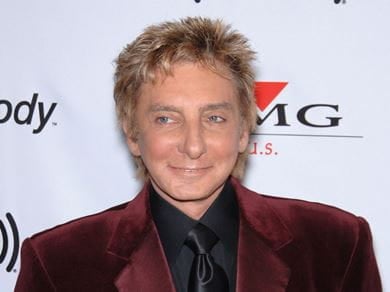
Barry Manilow is one of the most recognizable voices in American pop music, celebrated for his piano-driven ballads, polished production style, and a run of hit singles that helped define adult contemporary radio. Rising from a working-class childhood in Brooklyn, he moved from writing and performing commercial jingles to producing major artists and ultimately becoming a global touring headliner. Over a career spanning six decades, Manilow has combined classic pop craftsmanship with showman-level stage presence, earning a reputation as both a meticulous musician and a beloved entertainer.
Barry Manilow was born Barry Alan Pincus on June 17, 1943, in Brooklyn, New York. He was raised in a family shaped by both hardship and strong love, and he often credits his grandparents with providing stability, guidance, and a sense of identity. His parents separated when he was very young, and much of his childhood was spent under the influence of his mother and maternal grandparents, who played a central role in his upbringing.
Manilow grew up in Brooklyn’s Williamsburg neighborhood during a time when many families in the area lived modestly. As he has described it later, he was aware of being “very poor” only in retrospect; at the time, he felt secure and cared for. Music was part of his life early, but so were the everyday lessons that shaped his personality. In later reflections, Manilow credited his grandmother and grandfather with teaching him Jewish traditions and training him to be “polite, caring, and sensitive — a gentleman.” That blend of old-world values and neighborhood grit would remain a through line in both his music and public image.
He attended Eastern District High School and graduated in 1961. Afterward, he pursued higher education in New York City, first attending City College of New York and then continuing at the New York College of Music. He later studied at Juilliard, focusing on musical theater. Those experiences sharpened his foundation in harmony, arrangement, and performance, and they set him apart from many pop singers of his era: he wasn’t simply a vocalist, but a trained musician who understood the mechanics of songwriting and orchestration.
Manilow’s earliest professional opportunities came through arranging and composing. One pivotal early break arrived when he was asked to arrange music for an off-Broadway-style melodrama called The Drunkard. Instead of only arranging existing music, he created a full score, and the production enjoyed a lengthy run. This experience introduced him to the world of writing for narrative, matching music to emotional beats, and working under practical constraints—skills that would later translate into hit-making discipline.
During the 1960s and into the early 1970s, Manilow built a reputation in the advertising world as a jingle writer and performer. This period proved crucial: writing jingles demanded a rare ability to craft hooks quickly, communicate an emotion in seconds, and create melodies that stuck in the listener’s mind. Manilow contributed to or performed several widely recognized television and radio jingles, developing the kind of instant musical memorability that would become his signature in pop music.
Manilow’s path to fame included a key chapter working with Bette Midler. Early in her career, Midler connected with Manilow, and he became a trusted musical collaborator—serving as her pianist and later her musical director and arranger. His behind-the-scenes work helped build his credibility in the industry and offered him valuable insight into presentation, repertoire, and how to create a powerful live experience.
In the mid-1970s, Manilow transitioned fully into a solo recording career, and the results were immediate and dramatic. His breakout hit “Mandy” established him as a major pop voice, and it set off a chain reaction of chart success. He followed with a string of enduring hits that became staples of American pop: “Could It Be Magic,” “I Write the Songs,” “Copacabana (At the Copa),” “Can’t Smile Without You,” and “Weekend in New England,” among others. His songs were often built around sweeping melodies, emotional sincerity, and a sense of romantic drama that resonated with audiences across generations.
Manilow’s appeal in this era wasn’t only his voice—it was his ability to package songs with cinematic flair. He blended pop accessibility with a show-tune instinct for structure and payoff. That combination helped him dominate adult contemporary radio and become one of the era’s defining hitmakers.
As his recording success expanded, Manilow became a force on stage. His concerts were not casual performances; they were tightly constructed, high-energy events built on pacing, audience connection, and musical precision. Over time, his live shows became as central to his legacy as his chart hits, helping him maintain popularity even as musical trends changed.
Television also played a role in sustaining his mainstream visibility. Manilow appeared across major programs and specials, and the storytelling quality of his work translated well to visual formats. One of the best-known examples is the cultural footprint of “Copacabana,” which expanded beyond radio into wider popular imagination. His ability to create songs that felt like short movies—filled with characters, setting, and drama—helped keep his catalog vibrant long after initial release.
In later decades, Manilow continued recording and performing while also exploring standards and classic pop influences, demonstrating his respect for the Great American Songbook tradition and the vocal stylings that preceded him. He remained active and relevant not through reinvention for trend’s sake, but through consistent craftsmanship and a deep understanding of the kind of music his audience loved.
Manilow’s early training in musical theater never fully left him, and in time he returned to that world in a major way. One of his most personal and culturally resonant projects has been the musical Harmony, created with longtime collaborator Bruce Sussman. The show’s New York debut at the National Yiddish Theatre Folksbiene—located within the Museum of Jewish Heritage—highlighted Manilow’s connection to Jewish cultural storytelling and his interest in preserving and sharing narratives rooted in history and identity.
Harmony also showed another side of Manilow: not only a pop hitmaker, but a composer capable of shaping larger theatrical arcs. The project connected his musical gifts to themes of heritage, resilience, community, and memory—ideas that have long been present in his personal reflections.
Manilow’s personal life includes both highly public chapters and long stretches of privacy. He married Susan Deixler in 1964 when he was young, but the marriage ended in divorce in 1966. As his fame increased, he became known for keeping romantic relationships and private matters largely out of the spotlight, a decision that reflected both his personality and the intense scrutiny placed on celebrity lives.
In later life, Manilow shared more openly about who he is. He publicly came out as gay in 2017, explaining that he had kept that part of himself private for decades. He revealed that his longtime partner was Garry Kief, his manager, with whom he had shared a relationship for many years. The couple married in 2014. For many fans, the news was met with warmth and appreciation, particularly because it clarified the quiet stability that had existed behind the scenes for so long.
Manilow’s relationship with his fans has always been unusually close. “Fanilows,” as his supporters are often called, have remained loyal across generations, and Manilow has repeatedly credited them with sustaining his career. That bond—part nostalgia, part genuine affection—has helped him remain an active touring performer well into his later years.
Over the years, Manilow has spoken at times about the realities of aging while still performing at a high level. Like many artists with long careers, he has navigated health considerations while balancing touring demands, recording work, and public appearances. Even so, he has remained notably consistent in maintaining a performance schedule and delivering the kind of energetic, emotionally direct concerts that his audience expects.
On December 22, 2025, Manilow announced that he had been diagnosed with early stage lung cancer. He indicated that he would undergo surgery as part of treatment. The announcement was widely shared and prompted an outpouring of support from fans and fellow musicians. The early stage nature of the diagnosis suggested that the condition was identified before more advanced spread, and his plan for surgery signaled an approach focused on removing the cancerous area and prioritizing recovery.
Barry Manilow's Religious Beliefs
Barry Manilow was born into a Jewish family and has Jewish heritage on both sides of his family. Although he has not always made religious discussion the center of his public persona, his Jewish identity has been a meaningful part of his story, shaped especially by the influence of his grandparents during childhood.
Manilow has spoken about being raised with Jewish traditions and values, emphasizing that his grandparents taught him how to live with kindness and dignity. Reflecting on his upbringing, he said, “We were very poor, but I never knew it. I was given a secure upbringing, and I always felt loved and wanted. Grandma and Grandpa taught me Jewish traditions and raised me to be polite, caring, and sensitive - a gentleman.” That reflection captures the way faith and family culture often intertwine: for Manilow, Jewish tradition was not just belief, but a way of being shaped—through manners, compassion, and emotional attentiveness.
His connection to Jewish culture also shows up in his artistic choices. The New York debut of Harmony at a Yiddish theater institution within the Museum of Jewish Heritage underscored his willingness to engage creatively with Jewish history and storytelling. In that sense, Manilow’s Jewish identity has been expressed not only through personal memory, but through creative contributions that celebrate and preserve cultural narratives.
Back to the Celebrity Faith Database