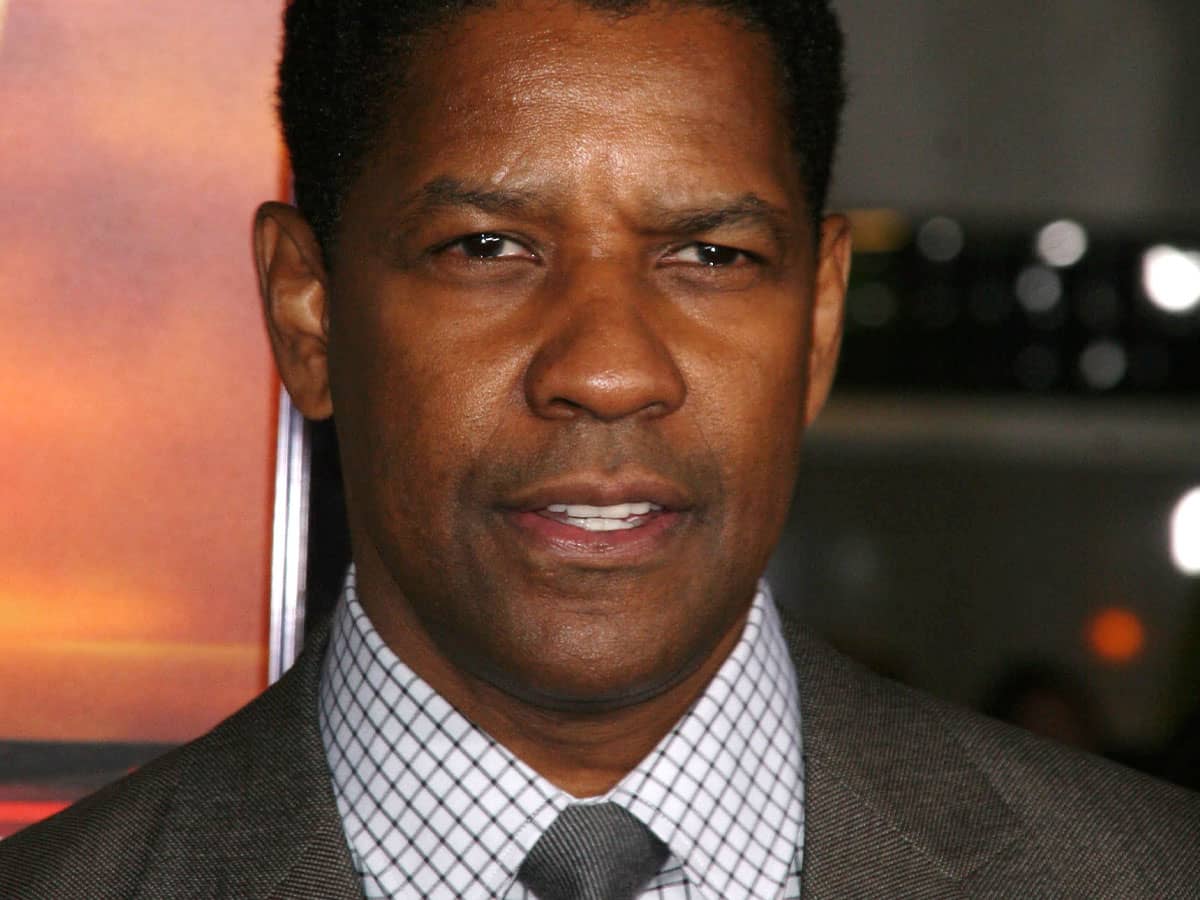
- Faith: Christian
- Career: Political Activist
- Birthday: October 08, 1941
- Date of Death: February 17, 2026
Jesse Jackson was an American civil rights activist, politician, and ordained Baptist minister. He rose to national prominence as a young protégé of Martin Luther King Jr. during the civil rights movement and has remained a major figure in civil rights leadership for more than seven decades.
Jackson was born on October 8, 1941, in Greenville, South Carolina, under the name Jesse Louis Burns. His mother, Helen Burns, was just 16 years old at the time of his birth. His biological father, Noah Louis Robinson, lived nearby and was married. When Jesse was an infant, his mother married Charles Henry Jackson, a post office maintenance worker who later adopted Jesse as his own son. Jesse took his stepfather’s last name and grew up understanding family through a blend of biological and chosen relationships.
Growing up in a deeply segregated South shaped Jackson's early experiences and exposed him to racism and inequality at a young age. He attended Sterling High School, an all-Black school in Greenville, where he excelled both academically and athletically. He served as student body president and earned varsity letters in football, baseball, and basketball. These early leadership roles and his natural ability to inspire others hinted at the public trajectory his life would later take.
After graduating in 1959, Jackson accepted a football scholarship to the University of Illinois. However, he soon transferred to North Carolina Agricultural and Technical State University, a historically Black institution in Greensboro, North Carolina. He cited racism and cultural isolation at Illinois as reasons for the change. At A&T, he played quarterback, led campus government initiatives, and became actively involved in civil rights demonstrations, including sit-ins and student-led protests. He earned a degree in sociology in 1964.
After college, Jackson enrolled in the Chicago Theological Seminary, though he did not complete his program at that time. He left in 1966—three classes short of graduation—to commit himself fully to the civil rights movement. Although he would later return to complete his academic requirements, these early years marked his transition from student activist to national figure.
Jackson entered the movement through the Southern Christian Leadership Conference (SCLC), where he worked closely with Dr. Martin Luther King Jr. He participated in the historic Selma to Montgomery marches and soon became an organizer in Chicago. Dr. King recognized Jackson’s leadership ability and selected him to direct SCLC's Operation Breadbasket, an initiative aimed at improving economic opportunities for African Americans through negotiations with businesses and organized boycotts. Under Jackson’s guidance, Operation Breadbasket expanded its influence and became a major force for economic justice in Chicago.
In 1971, Jackson and several of his colleagues broke away from the SCLC to form their own organization, which would eventually become the Rainbow/PUSH Coalition. The group sought to unify diverse communities—across racial, socioeconomic, and political lines—to advocate for economic opportunity, civil rights, voter engagement, and educational access. Rainbow/PUSH became a major national platform, and Jackson became its primary voice.
Jackson’s leadership soon propelled him onto the national political stage. In 1984, he launched a historic campaign for the Democratic presidential nomination. Though he did not secure the nomination, he energized millions of voters—particularly African Americans and working-class citizens—and helped reshape the political conversation about race, poverty, and representation. He ran again in 1988, finishing as the runner-up for the nomination, a landmark achievement and an important step toward greater inclusion of Black leaders in major-party politics.
Beyond domestic politics, Jackson became known for his humanitarian and diplomatic work. In 1983, he traveled to Syria and successfully negotiated the release of a captured U.S. pilot. In 1991, during the Gulf War, he went to Iraq to advocate for the release of foreign nationals being held by the regime. These high-profile missions displayed Jackson’s willingness to engage internationally on issues of human dignity and peace.
From 1991 to 1997, Jackson served the District of Columbia as a shadow delegate and shadow senator—roles created to advocate for full representation and eventual statehood for D.C. residents. Though symbolic in nature, the positions allowed him to amplify issues of voting rights and equality in the nation’s capital.
Throughout his public career, Jackson maintained a strong focus on issues such as economic justice, healthcare accessibility, employment opportunities, housing equity, education reform, environmental concerns, and global human rights. He traveled extensively, speaking out on crises and injustices around the world—always linking them to broader questions of fairness, human dignity, and the American promise of opportunity for all.
While Jackson’s public life has often been the subject of national attention, his personal life has always remained central to who he is. In 1962, he married Jacqueline Lavinia Brown. Their marriage has endured for decades, and together they have raised five children: Santita, Jesse Jr., Jonathan, Yusef, and Jacqueline. Several of his children have pursued careers in public service, community engagement, and media, continuing the family’s tradition of advocacy and leadership. His son Jesse Jackson Jr. served in the U.S. House of Representatives, expanding the family’s role in American political life.
In later years, Jackson has faced several health challenges. In 2017, he publicly announced he had been diagnosed with Parkinson’s disease. In 2021, he and his wife were hospitalized after contracting COVID-19. Each setback revealed his strength and resilience, and Jackson continued to speak, travel, and advocate as his health allowed. He has consistently expressed gratitude for his family’s support and the encouragement of communities across the country.
Jackson passed away February 17, 2026 at the age of 84.
Jesse Jackson’s Religious Beliefs
Faith was always been fundamental to Jesse Jackson’s identity. He is an ordained Baptist minister, a calling he embraced formally in 1968, and his spirituality has shaped nearly every part of his public work. Jackson’s worldview draws deeply from the traditions and history of the Black church, where worship, justice, and community care are tightly connected.
Jackson’s ministry reflected a belief that faith must be active and engaged. For him, Christian commitment is inseparable from the responsibility to confront injustice, advocate for the marginalized, and uplift those who have been overlooked or oppressed. He often preached that every person carries God-given worth and dignity—a theme he captured in the well-known affirmation, “I am somebody,” which became a powerful rallying cry at rallies and school assemblies across the country.
As a minister, Jackson frequently used biblical imagery and themes of liberation, compassion, and righteousness. He drew connections between Scripture and modern struggles, emphasizing that the call to justice found in the Bible remains a mandate for believers today. His sermons highlighted the importance of hope, unity, perseverance, and community action.
Jackson’s faith also guided his international peacemaking efforts. Whether working to secure the release of prisoners abroad or speaking out on global human rights issues, he saw these missions as extensions of his pastoral duty. He believed that Christian love must be expressed not only through worship but also through acts of service, reconciliation, and courage.
Throughout his life, Jackson has encouraged churches and faith communities to engage with public issues, advocate for the vulnerable, and help shape a society rooted in moral conviction and compassion.
Back to the Celebrity Faith Database