- Faith: Spirituality
- Career: Musician
- Birthday: April 27, 1951
- Date of Death: October 16, 2025
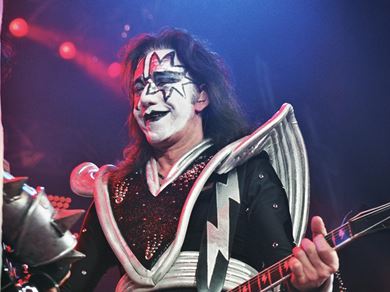
Paul Daniel “Ace” Frehley was an American rock musician best known as the founding lead guitarist of Kiss, where he also occasionally performed as a lead vocalist.
Frehley was born on April 27, 1951, in The Bronx, New York City. The youngest of three children, he grew up in a working-class family of Dutch and German descent. His father worked as an electrical engineer, while his mother cared for the home. His brother, Charles, was also a guitarist, and his sister, Nancy, would later encourage him in his creative pursuits. Music quickly became a refuge for young Ace, who faced the challenges of city life with an adventurous spirit and a mischievous streak.
As a teenager, Frehley received his first electric guitar on his thirteenth birthday. The gift changed his life. While many of his peers focused on sports or academics, Frehley immersed himself in the world of music. He idolized the guitar heroes of the day—Jimi Hendrix, Jimmy Page, and Pete Townshend—and spent countless hours mastering riffs and solos. His rebellious youth also included scuffles and brushes with danger, but music gave him direction and identity. By the time he was in his late teens, he was already playing in local bands across New York, gaining a reputation for his raw energy and natural talent.
In 1972, Frehley answered a newspaper advertisement placed by Paul Stanley and Gene Simmons, who were looking for a lead guitarist for their new band. Frehley auditioned in his own eccentric way—showing up with mismatched sneakers and a beat-up amplifier—but the moment he began to play, the band knew they had found their missing piece. Soon after, Kiss was born, with Frehley officially adopting the persona that would make him a rock icon: the “Spaceman.”
Frehley contributed not just musically but also visually to the band. He designed the famous Kiss lightning-bolt logo, a symbol that remains one of the most recognizable in rock history. His Spaceman character, with silver star makeup and galactic themes, became a fan favorite. On stage, his performances were electrifying, complete with smoke-emitting guitars, flashing lights, and pyrotechnics that captivated audiences. His inventive guitar solo on “Shock Me” even showcased one of the first recorded guitar effects designed to mimic explosions.
Throughout the 1970s, Kiss rose to fame as one of the biggest bands in the world, selling millions of records and filling stadiums across the globe. Frehley was a key part of their sound and identity, co-writing hits like “Cold Gin,” “Parasite,” and “Rocket Ride.” In 1978, when each Kiss member released a solo album simultaneously, Frehley’s stood out. His version of “New York Groove” became a hit, propelling his record to be the most successful of the four solo efforts. For many fans, it confirmed that Frehley’s talent could shine outside of the group dynamic.
Despite the band’s incredible success, life inside Kiss was not without turmoil. By the early 1980s, internal tensions, creative disagreements, and Frehley’s struggles with alcohol and substance use began to take their toll. The constant touring and pressures of fame weighed heavily on him. In 1982, after years of success and tension, Frehley parted ways with Kiss. His departure marked the end of an era for the original lineup, though his influence remained deeply woven into the band’s identity.
After leaving Kiss, Frehley launched his own band, Frehley’s Comet, in the mid-1980s. The group released several albums and toured extensively, showcasing Frehley’s continued creativity and unique guitar work. His solo career allowed him more freedom to explore his own musical vision, though it was often interrupted by personal struggles. Health issues and addiction challenges slowed his output at times, but fans remained loyal to the Spaceman.
In the 1990s, Frehley experienced a resurgence when Kiss invited him to participate in their MTV Unplugged special in 1995. The reunion was so successful that it led to a full-scale reunion tour of the original lineup in 1996. Fans around the world rejoiced at the chance to see the classic four—Stanley, Simmons, Criss, and Frehley—together again. During this period, Frehley contributed to the 1998 album Psycho Circus, though by 2002 he once again departed from the band.
Following his final departure from Kiss, Frehley continued to tour and release music as a solo artist. He released multiple albums, blending hard rock with his signature blues-inspired guitar style. In 2014, he was inducted into the Rock & Roll Hall of Fame alongside his Kiss bandmates, cementing his place in rock history. Guitar magazines frequently ranked him among the greatest rock guitarists of all time, and countless musicians cited him as a major influence.
In 2024, Frehley released 10,000 Volts, an album of original material that reminded fans of his enduring creativity. Early in 2025, he embarked on a tour to promote the record, but by midyear he was forced to cancel remaining dates due to medical issues following a fall in his studio. His health began to decline in the months that followed.
On October 16, 2025, Ace Frehley passed away at the age of 74 in Morristown, New Jersey. His death came after complications from the fall he suffered earlier in the year, which had led to a brain bleed and other serious health issues. Reports indicated that he spent his final days surrounded by loved ones.
His bandmates Gene Simmons and Paul Stanley paid tribute to him publicly, calling him “an irreplaceable rock soldier.” Fans across the world mourned the loss of the first original Kiss member to pass away, with tributes pouring in from fellow musicians, celebrities, and countless admirers who credited Frehley with inspiring them to pick up a guitar.
Ace Frehley's Religious Beliefs
Though not outspoken about religion, Ace Frehley’s upbringing was rooted in Christianity. Raised in a Lutheran household, his early life included exposure to church traditions and Christian family values. His mother was musically active in church, which may have subtly shaped his own path into music. However, as he grew older, Frehley became less identified with a specific denomination and more inclined toward a broad, spiritual outlook.
In public, Frehley did not often discuss doctrine or organized religion, but his language occasionally reflected belief in a higher power. Descriptions from his family and their tributes—using words like “prayers” and “peaceful intentions”—suggest that Christian spirituality remained an undercurrent in his life. While his career and lifestyle often seemed far removed from his Lutheran upbringing, he appeared to hold on to a quiet sense of faith and spirituality that gave meaning during life’s struggles and in the moments surrounding his death.
Back to the Celebrity Faith Database