- Faith: Christian - Catholic
- Career: Actress
- Birthday: September 28, 1934
- Date of Death: December 28, 2025
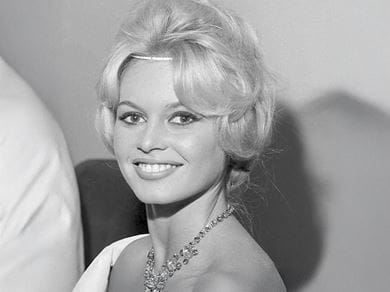
Brigitte Bardot was a French actress, singer, and model who later became a passionate animal rights advocate. Known worldwide by her initials “B.B.,” Bardot rose to fame for playing bold, free-spirited characters that challenged traditional views of femininity. Over her career, she appeared in 47 films, starred in stage musicals, recorded more than 60 songs, and received France’s prestigious Legion of Honour in 1985.
Brigitte Anne-Marie Bardot was born in Paris on September 28, 1934. She grew up in a comfortable home, the daughter of a strict father and a stylish, attentive mother. Her family prized good manners, modesty, and faith. Like her father before her, she was raised in a conservative Catholic environment where expectations were clear and discipline was real. That mix—material comfort, emotional restraint, and moral certainty—would leave an imprint on her character, even as she later became a symbol of freedom and change.
From an early age, Brigitte was drawn to movement and music. Ballet became her world. She trained seriously, studying at respected schools and practicing for hours. That discipline made her strong and focused. It also gave her a kind of poise that never left her, even when cameras started following her everywhere. While other teenagers were still figuring out who they were, Brigitte was learning how to hold herself with grace, how to work hard, and how to create beauty with her body and presence.
By her mid-teens, the fashion world had noticed. She appeared on magazine covers and in photo shoots that highlighted her striking features and natural charm. Modeling opened doors to film, and at just 18 she landed her first screen roles. At home, not everyone loved the idea of a movie career, but Brigitte pushed forward. She had an inner restlessness, a desire to live boldly, and a sense that the stage—or the screen—was where she belonged.
The turning point came in the mid-1950s when she starred in the film that would make her famous around the world. Overnight, Bardot became an international sensation: the sun-kissed face of a new, more open age. She wasn’t playing a distant, untouchable goddess. She was playful, spontaneous, and alive. People saw in her something modern and free—a woman who could be both innocent and daring, both tender and strong. Photographers adored her. Directors wrote films for her. Audiences felt like they knew her.
With fame came pressure. Movie after movie appeared, and Brigitte’s image—barefoot on a beach, tousled hair, eyes full of light—traveled everywhere. She became not just a French star but a global icon. By the late 1950s and early 1960s, she was one of the most sought-after actresses in Europe and beyond. She worked with major directors, took on a mix of light comedies and serious dramas, and proved she was more than a beautiful face. In key roles, she showed vulnerability and intelligence, using silence and stillness as powerfully as any line of dialogue.
At the same time, Bardot explored music. She recorded songs that fit her breathy, intimate style and often worked with well-known composers and performers. Some of her tracks flirted with controversy, which only added to her allure. The combination—film fame, music hits, and a fashion presence that shaped everything from necklines to haircuts—made her a cultural force. She didn’t just follow trends; she helped create them.
By the late 1960s and early 1970s, Brigitte had done something few stars manage: she decided to walk away while still on top. After a final set of films, she retired from acting in 1973. It was a bold move. Many people were surprised, but to Bardot it made sense. She had spent years under a spotlight that could be harsh and consuming. Leaving cinema allowed her to reclaim a quieter life and choose causes that mattered deeply to her.
Her personal life was often as closely watched as her career. Brigitte married four times. Her first marriage, at 18, was to Roger Vadim, a young director with a keen eye for talent and style. They were a glamorous pair, and he helped guide her early film choices as her career took off. The marriage didn’t last, but it set the stage for the whirlwind years to come.
Her second marriage, to actor Jacques Charrier, brought Brigitte her only child, a son named Nicolas. Motherhood was complicated for her. She spoke openly about the struggles she faced—conflicting feelings, the strain of fame, and the challenges of trying to be present while the world demanded so much of her. The marriage ended after a few years, and custody arrangements placed distance between mother and son. Over time, their relationship changed and evolved, with efforts to reconnect later in life, but those early years left their mark.
Brigitte’s third marriage was to Gunter Sachs, a wealthy and charming figure who moved easily through the worlds of art, society, and style. Their relationship was dazzling—part romance, part whirlwind—but it, too, was brief. Years later, in 1992, Bardot married Bernard d’Ormale. This fourth marriage has lasted, offering her stability as she stepped away from show business and poured herself into other passions.
Beyond her marriages, Bardot had high-profile relationships that fueled headlines and gossip. She never pretended to be someone she wasn’t. She craved passion, spontaneity, and honesty, even when that led to heartbreak. In interviews, she sometimes spoke with disarming candor about her choices. The world judged; she kept moving. In many ways, her love life became part of her legend—another chapter in the story of a woman determined to live on her own terms.
After retiring from film, Bardot became a powerful voice for animal welfare. This cause seemed to draw together many threads from her life: the discipline learned in childhood, the tenderness she felt for vulnerable creatures, and a moral clarity she traced back to early lessons of compassion. She founded a foundation to fight cruelty and protect animals, and she used her fame to draw attention to issues that weren’t always popular. Whether one agreed with her methods or not, her commitment was unmistakable. She believed deeply that kindness to animals reflected something essential about our humanity.
Bardot died on December 28, 2025 at her home, "La Madrague", in Saint-Tropez. She was 91.
Brigitte Bardot's Religious Beliefs
To understand Bardot’s outlook, it helps to look back at her faith roots. She grew up in a conservative Catholic family, as her father had before her. Church teaching, religious holidays, and moral boundaries were part of the fabric of her early life. Even when she later stepped into a world that seemed to challenge those traditions, the imprint remained. She attended Catholic schools, learned prayers, and absorbed a sense of right and wrong that she could not entirely shake. That foundation did not keep her from questioning or rebelling. But it gave her a language for thinking about duty, forgiveness, and compassion—ideas that would resurface in different forms throughout her life.
As an adult, Bardot’s relationship to faith grew more personal and private. Rather than presenting herself as a model of religious practice, she spoke in simpler, more intimate terms—about belief, about prayer, and about finding spiritual meaning in love and mercy. She often connected this to her care for animals, seeing gentleness toward living creatures as a reflection of deeper values. Over the years, she also expressed concern about the way society sometimes forgets its spiritual roots or turns holy days into commercial events. Whether people agreed with her commentary or not, it was clear she cared about the moral direction of her culture.
Back to the Celebrity Faith Database