

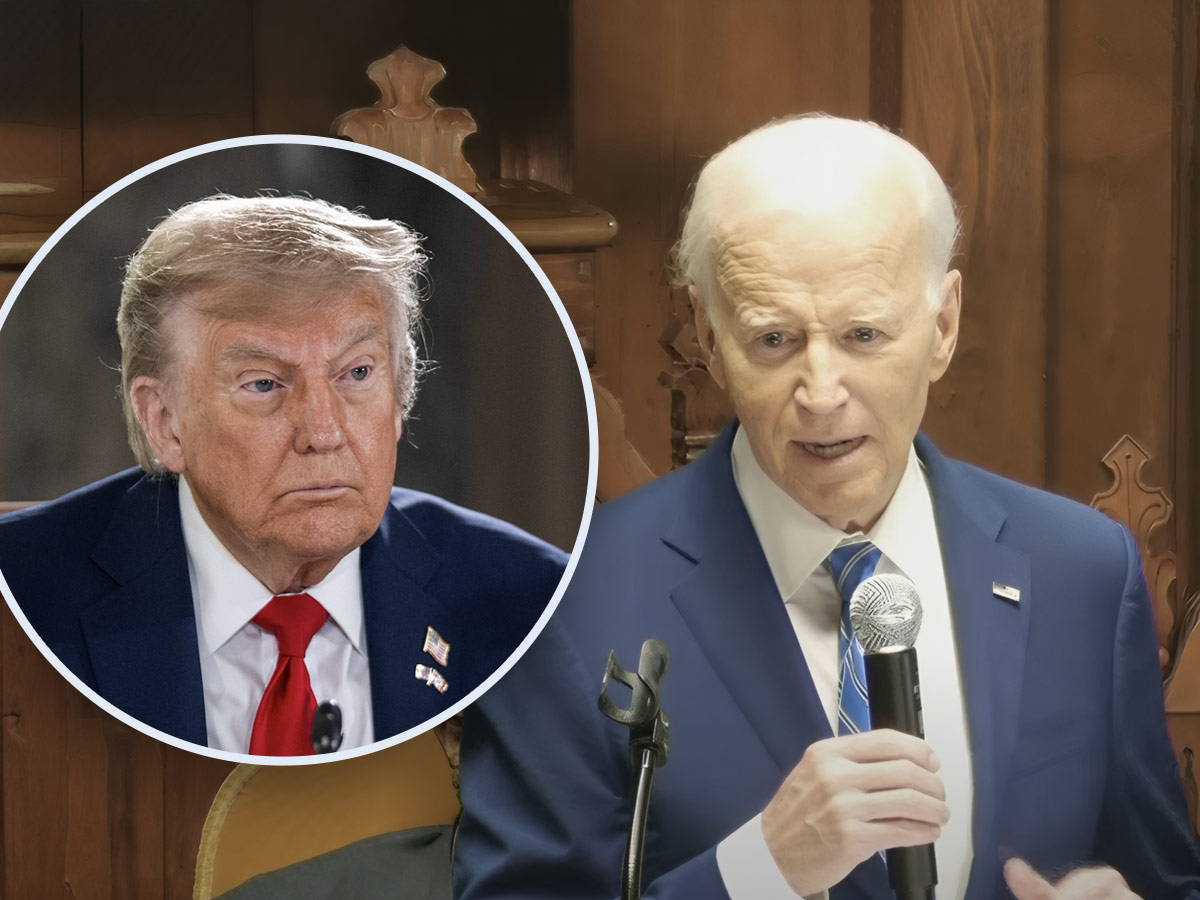
Speaking from the pulpit of an AME church in Galveston, Texas—home of the historic Juneteenth proclamation—President Joe Biden delivered a fiery address on Juneteenth in defense of the federal holiday while taking a veiled swipe at former President Donald Trump and those he said are trying to “erase our history.”
Juneteenth marks the day in 1865 when Union General Gordon Granger arrived in Galveston to enforce the emancipation of enslaved Americans in Texas—two years after the Emancipation Proclamation. In his remarks, Biden reflected on the weight of that moment and the ongoing struggle for racial justice in America.
“Juneteenth is of monumental importance to the American story,” Biden said. “Slavery was America’s original sin. We need to be honest about our history, especially now—when too many are trying to erase it from our textbooks and our classrooms.”
The president did not directly name Donald Trump but appeared to allude to him when he said, “This guy—” before trailing off and making the Sign of the Cross, drawing laughter and applause from the congregation. “They don’t want to remember, but we all remember the moral stain.”
Biden also took the opportunity to share personal stories from his upbringing, recalling how he used to visit Black neighborhoods in Wilmington, Delaware, after attending early morning Catholic Mass. “Our country is founded on the promise of freedom—freedom for everybody,” he said.
In a line referencing both Scripture and civic responsibility, Biden declared, “Darkness can hide much but can erase nothing. The Scripture tells us faith without work is dead.”
He then turned his focus to voting rights, urging Americans—especially minorities—to resist voter suppression efforts and remain active in civic life. “Stop those who try to make it more difficult to vote,” Biden said. “Let’s help people register to vote. Let’s reach out to our families, our friends, our neighbors, and remind them how critical it is.”
Meanwhile, former President Trump responded on social media Thursday, saying Juneteenth as a federal holiday “costs billions of dollars to keep businesses closed.” He added sarcastically, “Soon, we’ll end up having a holiday for every working day of the year.”
Some state leaders, like West Virginia Gov. Patrick Morrisey, issued proclamations recognizing Juneteenth but chose to keep state offices open, reflecting ongoing national debate over how the holiday is observed.
In a moment clearly aimed at political opponents, Biden also criticized efforts to reverse the renaming of U.S. military bases that were previously named after Confederate leaders. “Too many people are trying to erase our history—not just the painful parts, but the progress we’ve made, too,” he said.
While Biden’s appearance was deeply symbolic and spiritually toned, it also served as a campaign rallying point, emphasizing themes of justice, equality, and truth-telling. For many in the sanctuary, the message resonated.
“Truth matters,” one churchgoer told local media. “And as Christians, we’re called to face it—even when it’s hard—and work for justice.”
As Juneteenth continues to evolve from a regional celebration into a national holiday, debates over how best to honor it—and who has the moral authority to speak on its legacy—are far from over.