
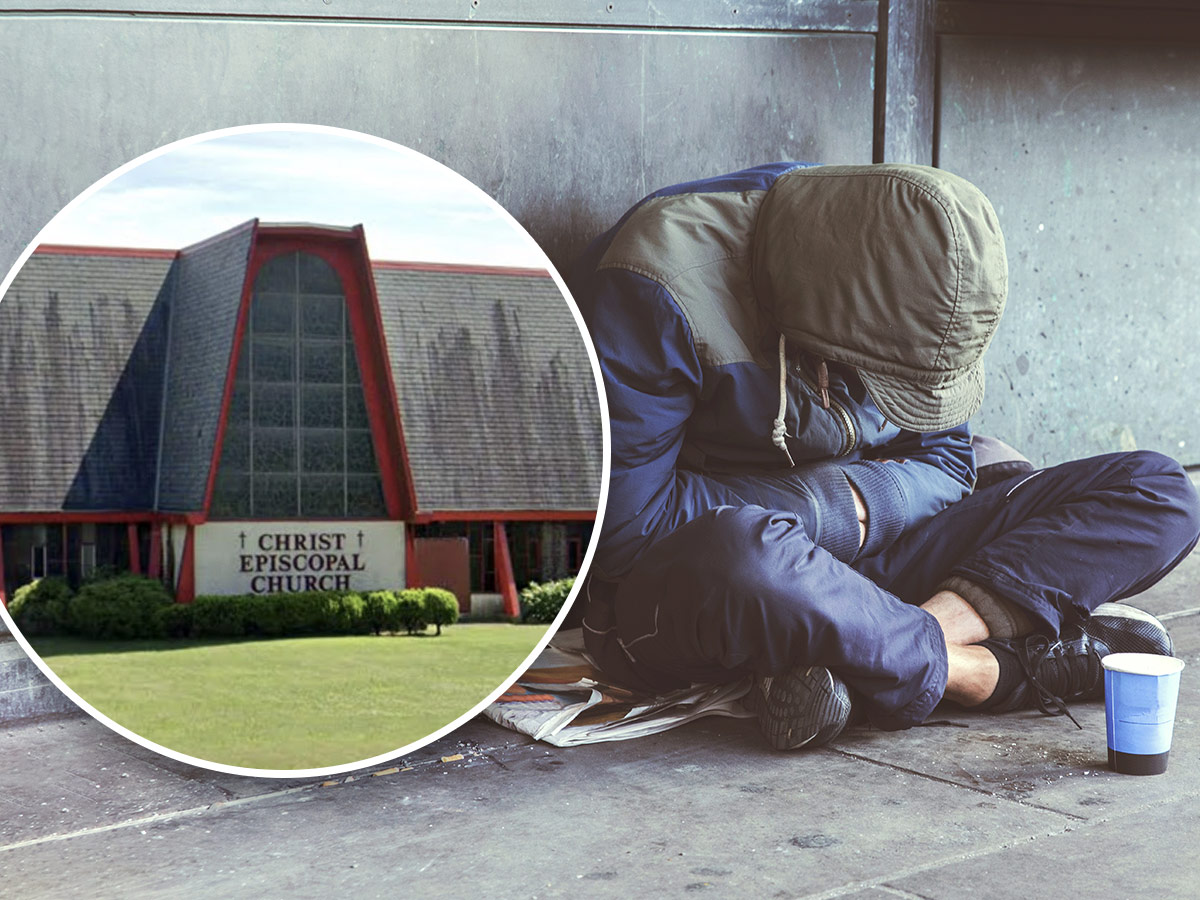
Christ Episcopal Church in Toms River, New Jersey, has been facing ongoing hostility from neighbors since seeking permission to construct a 17-bed homeless shelter on its land. Now, the town is looking to seize their property to stop it.
Christ Church is an active community in a 160‑year‑old parish. Each Sunday, around 150 people attend services, and the church also serves the wider community, hosting more than 20 support groups and running a food pantry. Ocean Christian Community rents a chapel on the property, where the Affordable Housing Alliance rehoused more than 130 families in its first year.
Toms River Council has begun proceedings to seize Christ Episcopal Church’s 11‑acre campus to build two new public parks.
The Mayor of Toms River, Daniel Rodrick, has been a vocal critic of homelessness in the community. He accused Ocean County of exaggerating the vagrancy issue and “dumping” the homeless into the town. He also criticized rock star Jon Bon Jovi’s pop-up JBJ Soul Kitchen at the downtown library, claiming it draws rather than serves the destitute. Mayor Rodrick’s alternative vision for the Christ Church’s grounds is for pickleball courts, a soccer field, a playground, and a skate park.
The ordinance to seize church property was put before the council on the grounds of eminent domain—a Fifth Amendment power that allows the government to seize private property for “public use” without the owner’s consent, as long as the owner is compensated for their loss. Eminent domain is considered a “despotic power,” given its potential for abuse.
Christ Church only learned of the ordinance a few hours before the vote. The Rev. Lisa A. Hoffman, the rector, said, “It’s just really shocking and surprising and very disappointing”. She said she doesn’t consider a new park a “legitimate reason to seize the property.”
Attorney Michael York, retained by a local affordable housing group to represent the church, hand-delivered a letter moments before the council session: “It is clear and obvious that the township and mayor are acting in bad faith and have ulterior motives. Clearly, they are not even trying to hide their actions. This attempt to use eminent domain as an excuse to obtain property is not disguised in this instance.”
The Toms River Council does not take public comment during the first reading of a proposed ordinance, but the members faced loud, passionate objections during the general comment time of April 30’s meeting. The speakers included people who had experienced homelessness firsthand, speaking of the help they’d received from churches in the town and Christ Church in particular. Will Wiencke, a lifelong parishioner, predicted the church would outlast the council’s current officials, and Angie Feldman warned the council that they shouldn’t mess with God’s children.
Members of the council shouted over each other in a fractious atmosphere of general chaos, and at one point, a member accused a colleague of hating God, Christ, homeless people, and humanity.
Council member James Quinlisk told the chamber, “There’s no way on God’s green Earth that anyone should vote for this ordinance,” to loud applause. Quinlisk said that passing the eminent domain ordinance would result in a lawsuit against the town, “one that I don’t think (the mayor) understands the scale of.”
This is not the first time Rodrick has been accused of overlooking due diligence and proper procedure. He was suspended as a teacher by the Middletown Board of Education in February in response to a number of complaints, including entering grades late, missing faculty meetings, ignoring parents’ questions about grades, and failing to prepare his lessons in a timely manner. Rodrick has denied the claims, but the BoE has confirmed that the complaints are consistent with computer records.
The church’s homeless shelter plan needs the approval of the Zoning Board of Adjustment to go ahead. The vote is due on May 22, but six days later, the town council is scheduled to make a final decision on the eminent domain ordinance.
Opponents of the ordinance believe that their religious liberty is under threat, stating that helping the poor is fundamental to their Christian faith and that building a new park cannot serve as a justification for halting the Christ Church’s good works.
Those who want the ordinance to pass argue that community development must be permitted to go ahead.
 Read Previous Post