
The last couple of weeks of headlines have included a suspicious string of various tech outages that have sparked a doomsday panic amongst citizens. On November 12, Outlook email and Microsoft 365 experienced major outages that impacted thousands of individuals and businesses. The outage was attributed to a software bug. Then the FAA grounded flights nationwide after a communication error, which was later attributed to an out-of-date router. Soon after, JP Morgan Chase experienced a hardware bug that slowed banking for customers and spread to other banks like Bank of America. Even Apple and the NSA experienced outages, which both attributed to glitches.
While the events have all happened in close succession, authorities have been quick to deny any malicious intent. “This is not cyberattack, and this is not a coordinated effort by a nation state. We’ve looked very closely,” Director of National Intelligence Jay Clayton told CNBC’s “Closing Bell.” Yet concerns from consumers are very real. “When Microsoft goes down, the whole world comes to a standstill,” said Raj Rajamani, CEO of JetStream Security. “That’s a stark reminder of how deeply embedded these services and technologies are in our day-to-day life.”
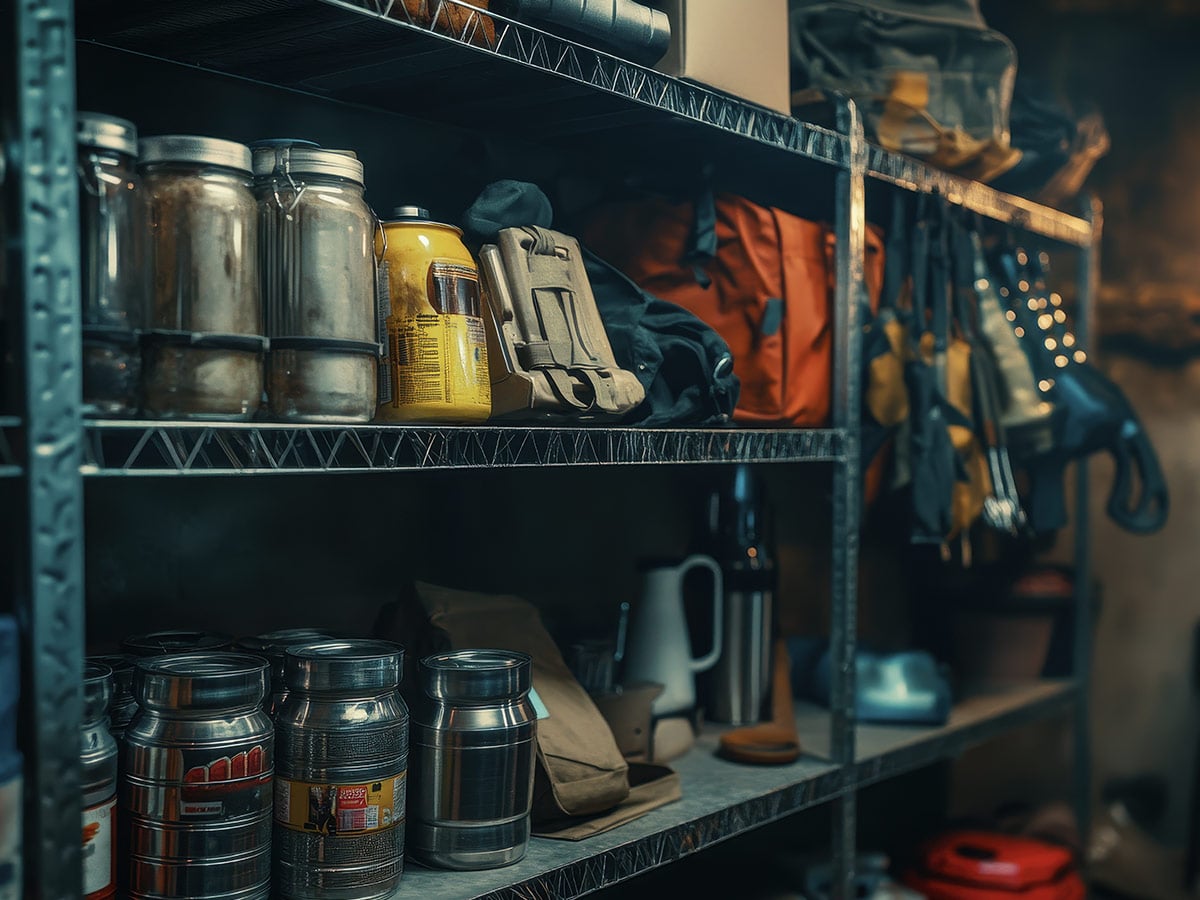
The “stark reminder” has brought upon a boom in the so-called “prepping” industry as consumers prepare for a doomsday-level event. Retailers have reported a surge in water and food stockpiling. Preparedness expert gave his advice to consumers squared about access to their digital banking. “My long-standing recommendation has always been, have enough cash immediately accessible,” he said. Atlas Shelters owner Ron Hubbard told NewsNation he’s said a boom in bomb shelter orders. “We’ve had a spike in the last week. There are people coming in and calling quite regularly every hour. It’s crazy,” he said. “In 2018, I sold one bomb shelter. Now I’m selling a bomb shelter a day in most cases.”
Security expert Kayne McGladrey warned about the heightened risks of scams as well. “Fake account-locked texts spike during events like this, so treat any unsolicited message about your accounts as hostile,” she told the Huffington Post. “If you need access immediately, go to a local branch or use an ATM. Otherwise, just wait. These incidents usually clear the same day. Scammers count on people panicking.” Tracy Walder, a NewsNation national security contributor, advised against panicking. “The confluence is the problem. I think that’s what has most people perplexed. The problem is that, on their own, obviously, these things are concerning. But on their own, separated by years or even months, we tend to think these events are a one-off,” said Walder. “But when you have these major, major catastrophic [events] and they’re happening within 24 hours of each other, then people start to understand that this could be a bigger attack.”
 Read Previous Post