A Connecticut religious liberty organization is threatening legal action after state officials denied its request to display a Nativity scene inside the state Capitol, arguing the decision unfairly singled out religious expression and violated the First Amendment.
The dispute centers on a policy enforced by Connecticut’s Joint Committee on Legislative Management that allows displays in the Capitol by outside organizations but excludes those deemed “religious in nature.”
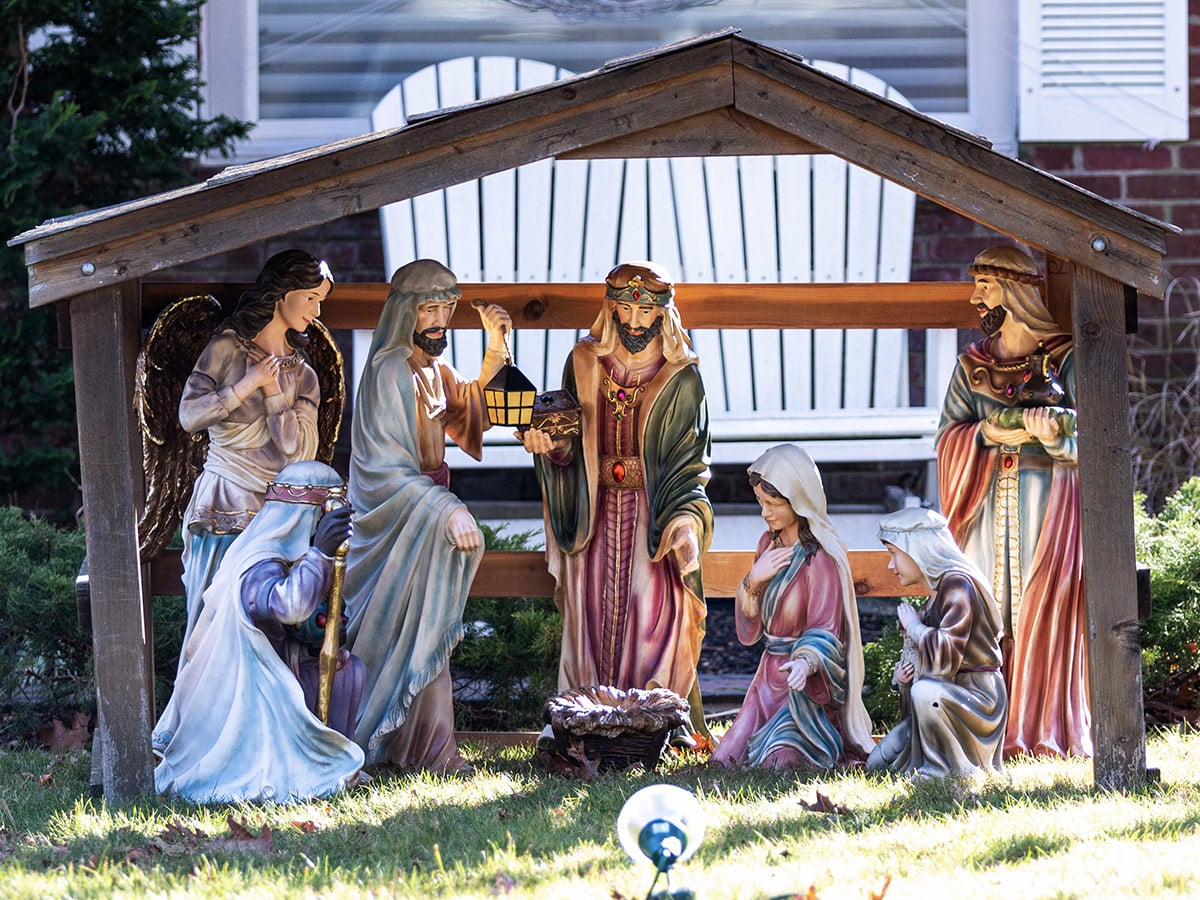
According to First Liberty Institute, the Family Institute of Connecticut (FIC) applied last December to place a small Nativity display in a public area of the Capitol during the Christmas season. The request was denied because officials said a standalone Nativity scene could be interpreted as government endorsement of Christianity.
Now, First Liberty Institute has sent a formal demand letter to the committee, urging state leaders to revise the policy before this year’s Christmas season and allow the display to move forward.
In the letter, First Liberty argues that the state’s position conflicts with longstanding First Amendment protections.
“The Committee’s position is legally incorrect, and the Committee itself has violated the First Amendment to the U.S. Constitution by maintaining a facially unlawful policy and denying FIC’s application,” the letter states. “The Establishment Clause certainly does not forbid the display of a Nativity scene at the State Capitol, and the Committee’s denial of FIC’s request based on its religious nature is viewpoint discrimination in violation of the Free Speech Clause.”
Roger Byron, senior counsel for First Liberty Institute, said he believes the policy is out of step with constitutional law and hopes the matter can be resolved without a lawsuit.
“The ‘no religious display’ policy is such a blatant violation of the First Amendment that it must have been an oversight,” Byron said. “The law is clear that barring a religious viewpoint from a public forum like this violates the Free Speech Clause. Hopefully, the Committee changes its policy and makes further legal action unnecessary.”
Attorneys representing the Family Institute of Connecticut say the organization is not seeking special treatment but equal access to a public forum.
“The FIC is just asking for equal treatment,” said Andrew Lelling, a partner at Jones Day and lead counsel for the organization. “No one should be censored or denied access because his viewpoint is a religious one.”
The disagreement highlights the ongoing national debate over the role of religious expression in government spaces. Courts have repeatedly examined where the line falls between protecting religious liberty and avoiding government endorsement of religion, particularly when public property is opened for use by private groups.
If Connecticut declines to revise its policy, the dispute could end up in court, where judges would likely determine whether excluding religious displays from an otherwise open public forum violates constitutional free speech protections.
For many Christians, the Nativity scene represents the heart of the Christmas story—the birth of Jesus Christ. The Family Institute of Connecticut and First Liberty Institute say their goal is simply to ensure that religious viewpoints receive the same opportunity as other forms of expression in public spaces.
 Read Previous Post