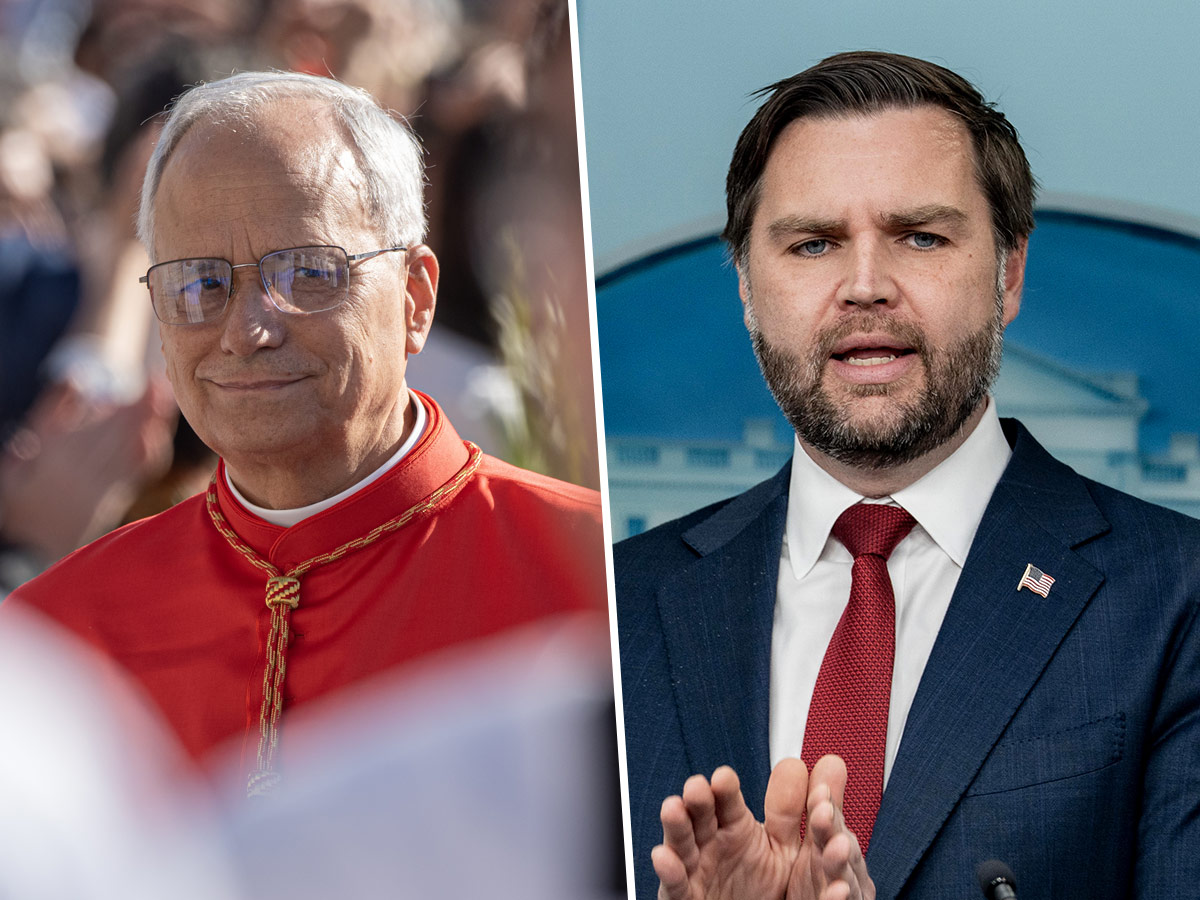
Vice President JD Vance is drawing a clear line between faith and governance after a public disagreement with Pope Leo XIV, saying the Vatican should focus on spiritual matters rather than U.S. policy.
Speaking on Special Report with Bret Baier, Vance defended the Trump administration while responding to criticism from the first American pope, who has recently spoken out on issues including immigration and the ongoing conflict in Iran.
“I certainly think that in some cases, it would be best for the Vatican to stick to matters of morality,” Vance said. “And let the President of the United States stick to dictating American public policy.”
The comments come amid a broader exchange between political and religious leadership. Over the weekend, President Donald Trump criticized Pope Leo on social media, calling him “weak on crime” and “terrible for foreign policy,” particularly in reference to concerns about Iran’s nuclear ambitions.
For his part, Pope Leo pushed back on the idea that he is acting politically, emphasizing that his message is rooted in the Gospel. “The message of the church, my message, the message of the Gospel: Blessed are the peacemakers,” he told reporters. “I do not look at my role as being political.”
Vance, who has spoken openly about his conversion to Catholicism, acknowledged the disagreement but downplayed its significance. He suggested that differences between world leaders—especially those with distinct roles—are both natural and inevitable.
“When they’re in conflict, they’re in conflict. I don’t worry about it too much,” Vance said. “I think it’s a natural thing… and it’s not that big of a deal.”
Despite the public friction, Vance emphasized that the administration maintains a respectful relationship with the Vatican. “We certainly have a good relationship,” he said, adding that disagreements on “substantive questions” are to be expected.
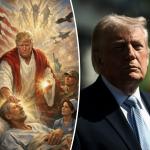
The vice president also addressed a separate controversy involving an AI-generated image posted by President Trump that critics said depicted him as Jesus. The image sparked backlash among some Christians before being taken down.
Vance dismissed the situation as a misunderstanding. “The president was posting a joke,” he said, noting that it was removed after some people failed to see the humor. He added that Trump’s unfiltered social media presence is part of what resonates with supporters.
For many Christians, the exchange between Vance and Pope Leo raises deeper questions about the relationship between faith and politics—particularly when moral convictions intersect with public policy decisions.
While Vance is calling for clearer boundaries, the pope’s response reflects a long-standing tradition within the Church of speaking into issues of justice, peace, and human dignity. The tension between those roles is not new—but it remains a defining conversation in a divided cultural and political landscape.
As both sides continue to articulate their positions, one thing is clear: the intersection of faith and public life will remain a central—and often contested—part of the national dialogue.
 Read Previous Post