Iran has named a new supreme leader following the death of its longtime ruler, a move that could reshape the future of the region as conflict continues to spread across the Middle East.
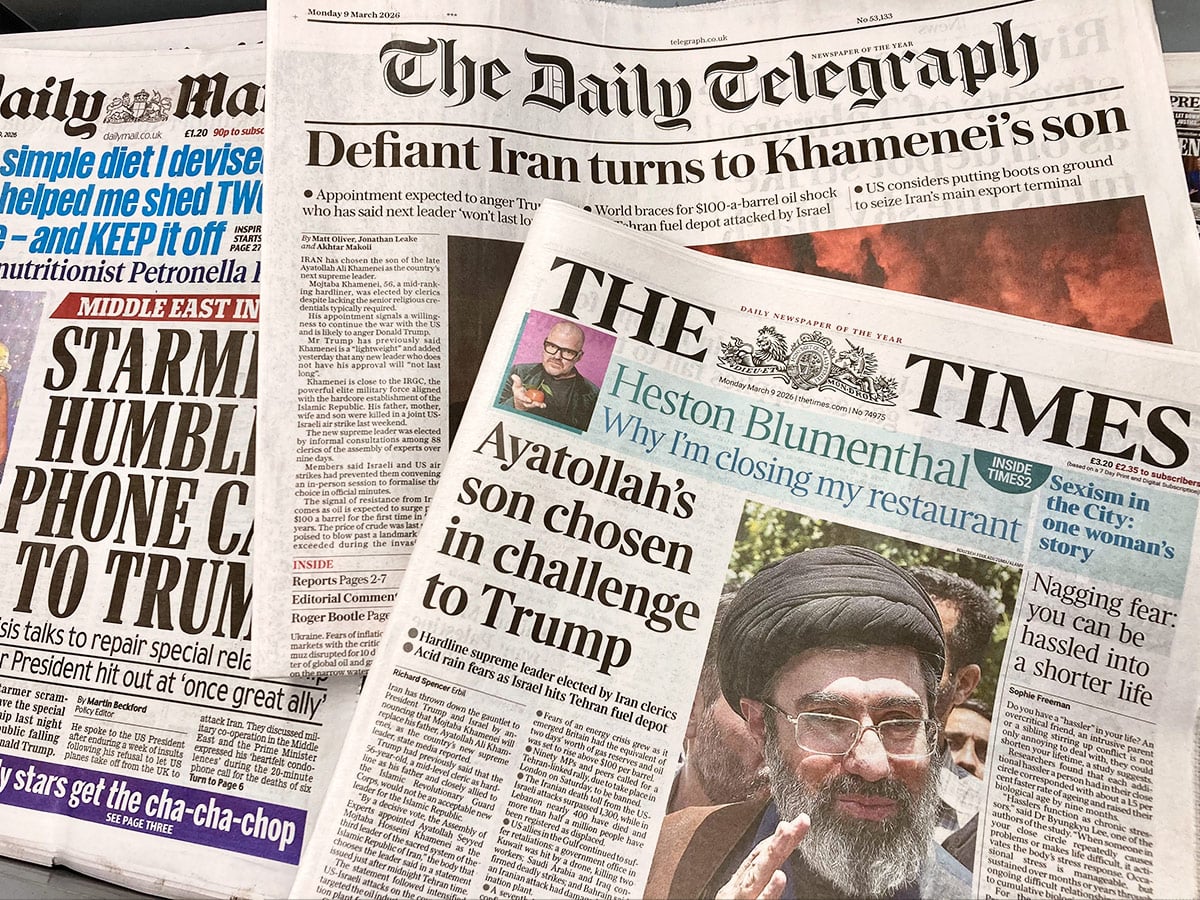
Mojtaba Khamenei has been selected as Iran’s new supreme leader, succeeding his father, Ali Khamenei, who was killed on Feb. 28 during the opening phase of the ongoing war involving Iran, Israel, and the United States.
The appointment was made by Iran’s Assembly of Experts, a powerful body of Shiite clerics responsible for selecting and overseeing the country’s supreme leader. The role carries sweeping authority within the Islamic Republic, including command of the armed forces, oversight of the judiciary, and ultimate influence over national security and nuclear policy.
At 56, Mojtaba Khamenei has long been viewed as a potential successor to his father, though he has largely operated behind the scenes and has never held an elected government position. His close ties to the Islamic Revolutionary Guard Corps have made him a powerful figure within Iran’s security establishment.
Supporters within Iran’s leadership say he is prepared to guide the nation during a time of crisis. Iranian political figure Ali Larijani reportedly said the younger Khamenei had been trained by his father and possesses the experience needed to lead during wartime.
However, the decision has also drawn criticism both inside and outside Iran. Some political figures within the country have warned that passing leadership from father to son risks resembling the monarchy that was overthrown during Iran’s 1979 Islamic Revolution.
International reaction has been swift. U.S. President Donald Trump criticized the selection and said he believes Iran’s leadership could face challenges maintaining power after the conflict ends.
The leadership transition comes as fighting across the region intensifies. Missile and drone strikes between Iran and Israel have continued, while clashes involving Iran-backed groups have expanded the conflict into neighboring countries.
Meanwhile, humanitarian concerns are growing. Hundreds of thousands of civilians have been displaced in parts of the region, and infrastructure such as oil depots, water facilities, homes, schools and health centers have been damaged during the fighting.
Mojtaba Khamenei now assumes power at a moment when critical decisions lie ahead, including Iran’s stance on its nuclear program and the country’s broader military strategy.
For many observers around the world — including faith communities praying for peace — the leadership change highlights the uncertainty facing the region. As tensions remain high, believers continue to pray for wisdom among world leaders and for stability in a region long marked by conflict.
 Read Previous Post