As Christians around the country prepare to celebrate the birth of Jesus, a handful of progressive congregations in Colorado and Washington are drawing attention—and criticism—for hosting drag-themed Christmas events alongside more traditional holiday services.
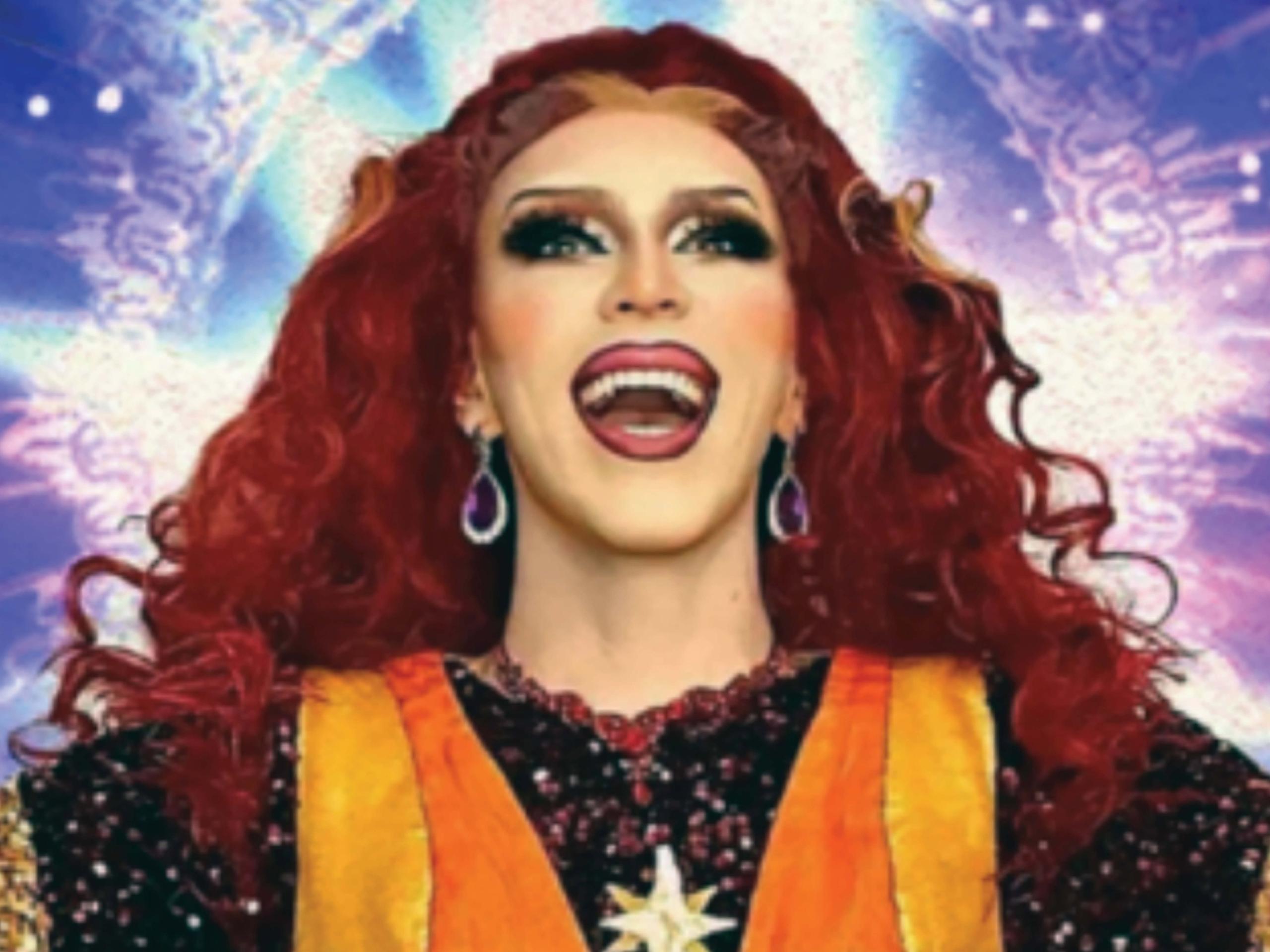
In Fort Collins, Colorado, Foothills Unitarian Church held its third annual production, A Drag Christmas Spectacular, on December 19 and 20. The 90-minute show is advertised as “a joyful, irreverent reimagining of the nativity story” that celebrates LGBTQ identity, chosen family, and inclusion. Promotional materials describe performers who will “slay their way to Bethlehem,” and the event website notes that the show contains adult themes and is recommended for those 16 years of age and older.
The event was created by the church’s minister, Rev. Sean Neil-Barron, who identifies as queer. Speaking with Colorado Public Radio, Neil-Barron said the idea emerged amid what he described as a wave of anti-LGBTQ legislation across the United States. He framed the performance as an intentional response to that cultural moment, calling it a “queer sacred space” meant to affirm people he believes have felt marginalized during the holidays.
Neil-Barron also explained that his interpretation of the Nativity story drew inspiration from the Magi, whom he described as “outside figures” in the biblical narrative. Rather than focusing solely on the birth of Christ, he said the reimagined story centers on themes of self-discovery, joy, and resilience within the LGBTQ community.
Colorado’s event is not an isolated example. In Seattle, Washington, Emmaus Table—an LGBTQ-affirming spiritual community affiliated with the Evangelical Lutheran Church in America—hosted a drag-themed Christmas pageant earlier this month titled “Drag Church: The Yassification of Ebenezer Scrooge.” Held on December 12, the event reworked Charles Dickens’ A Christmas Carol through what organizers called a “queer lens.”
According to its description, the production follows Ebenezer Scrooge as three drag queen spirits guide him on a journey toward healing and community. Unlike the Colorado show, the Seattle event was described as “spiritually inclusive” and “family-friendly,” and was open to all ages.
Such events reflect broader trends within some progressive Christian spaces. Denominations, including the Episcopal Church, the United Methodist Church, the Unitarian Universalist Association, and the United Church of Christ, openly welcome LGBTQ clergy, and some congregations within these traditions have incorporated drag performances into their worship services or ministry programming.
For many Christians, however, these reimaginings raise serious theological concerns. Critics argue that blending drag performance with sacred stories like the Nativity diminishes the holiness of Christ’s birth and replaces the gospel message with contemporary cultural ideology. Supporters counter that these productions are expressions of hospitality and inclusion meant to reach people who feel alienated from traditional churches.
As churches navigate cultural change and declining attendance in many regions, such experiments continue to spark debate over where the line lies between creative outreach and compromising core Christian beliefs—especially during the season that proclaims Christ’s coming into the world.
 Read Previous Post