
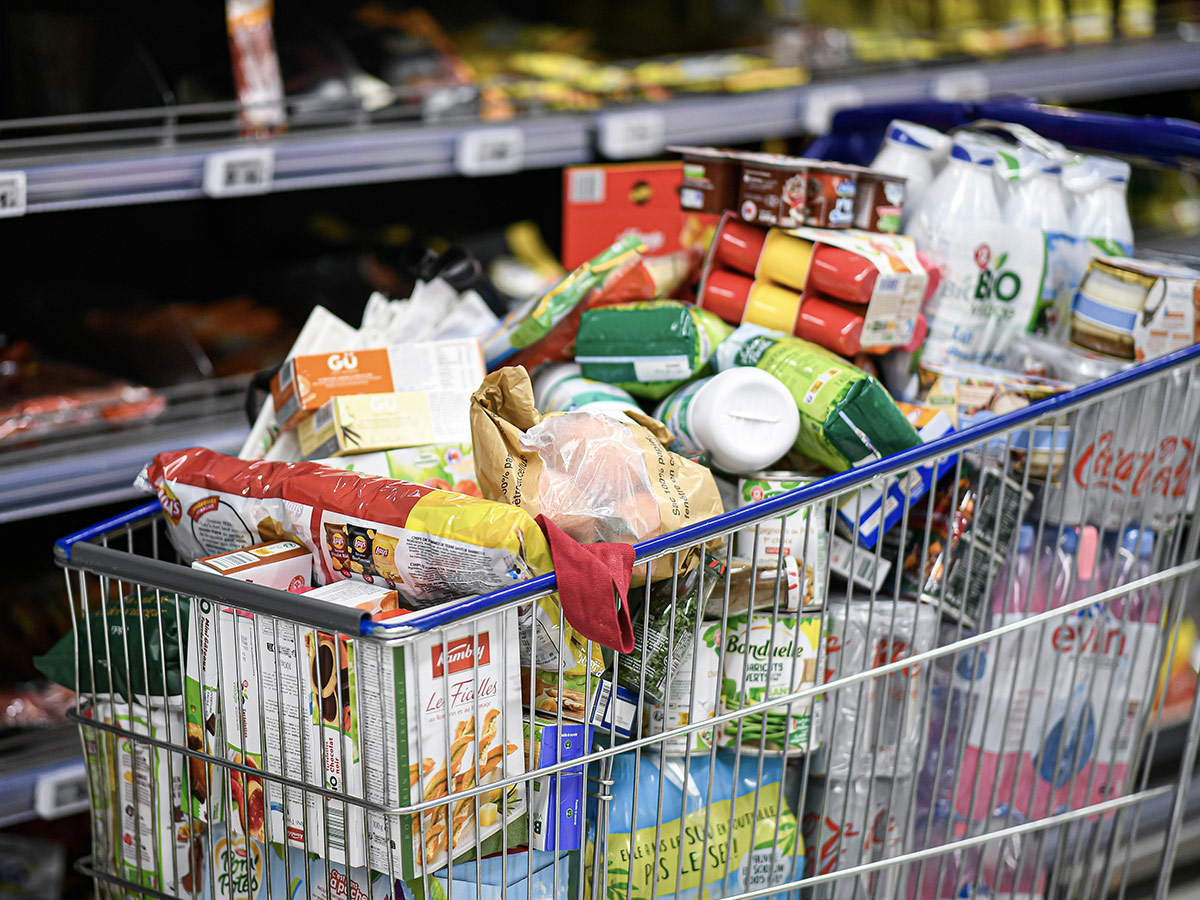
As the federal government shutdown enters its second month, millions of Americans face empty cupboards due to the suspension of Supplemental Nutrition Assistance Program (SNAP) food benefits. With no federal contingency funds and states unable to bridge the gap, churches, synagogues, and mosques nationwide are mobilizing to feed the hungry, filling the void left by Washington’s gridlock.
Many marginalized Americans view the government shutdown with growing concern as major programs such as the SNAP, aka food stamps, are threatened. Consequently, some program participants are turning to non-governmental resources such as the faith community for help.
U.S. Department of Agriculture (USDA) officials announced several days ago that the department does not plan to use emergency funds to cover benefits payments during the shutdown. The emergency funds include contingency accounts, which “are not legally available” for SNAP, House Speaker Mike Johnson (R-La) said this week.
CNN and other media outlets have reported that some states are checking into temporary funding to prevent gaps in coverage. However, the USDA has announced it will not reimburse those states.
The decisions mean that beginning Nov. 1, benefits for about 42 million Americans will stop for the duration of the budget standoff. In the longer term, the Trump administration’s “One Big Beautiful Bill Act” will cut about $186 billion from SNAP’s budget over 10 years. The Congressional Budget Office predicts the cuts will reduce the number of people receiving benefits, decrease benefit amounts, and increase the strain on other food assistance programs.
Where to Turn For Help.
Several organizations and individuals may help SNAP participants, including:
- Churches and other members of the faith community
- Federal government
- State governments
- Federal court
- Members of Congress
How Faith Communities Are Helping.
Many Protestant, Catholic and Jewish leaders and groups, including the National Council of Churches, the Poor People’s Campaign and others, have voiced strong opposition to the budget cuts.
Many see them as a failure to obey the Bible’s teachings about loving one’s neighbors. Some call these actions “morally reprehensible.” Many point out that a disproportionate number of children, seniors, veterans and the working poor will suffer the consequences.
Some have accused the federal government of attacking the most vulnerable Americans and increasing funds to the wealthiest people. Trump and the GOP allege fraud, waste and abuse. And several religious leaders and organizations have attacked Republican claims that the cuts are fiscally responsible.
A number of Protestant organizations, including the United Methodist Church(UMC) and the Black Church Food Security Network, have spoken in support of maintaining SNAP benefits.
The UMC website has a section on the budget standoff that affirms the church’s support of SNAP, explains the current situation and encourages people to contact their congressional leaders. It includes prompts to help people write and send those messages.
The Black Church Food Security Network works with black churches to “create sustainable, community-driven food systems,” cultivating gardens and hosting farmers’ markets.
Other Protestant leaders have called the proposed budget cuts “immoral” and have said they are contrary to biblical teachings.
Catholic organizations, such as the U.S. Conference of Catholic Bishops and Catholic Charities USA, have pointed out that the Bible commands Christians to protect low-income people.
In a letter to lawmakers, the Conference of Catholic Bishops said that people have a right to necessities such as food. And Catholic Charities USA warned that cutting the SNAP budget would overwhelm other charitable organizations, such as food pantries.
CBN – the Christian Broadcasting Network – reported yesterday that food pantries are seeing “a surge in demand.”
Mazon, a national Jewish organization dedicated to ending hunger in the U.S. and Israel, also opposes cutting billions of dollars from SNAP funding through 2034. Trump’s proposals will be “the largest cut to SNAP in the program’s history,” the organization said.
The Jewish Council for Public Affairs has praised the Jewish community, saying it “proudly supports food assistance programs.” The organization joined other faith leaders and groups last May to request that Congress refrain from cutting the SNAP budget
Specific Ways Faith Communities Help.
The faith community can help SNAP participants in several ways, such as….
- Operating food distribution programs that address people’s immediate hunger
- Providing free hot meals in soup kitchens
- Helping people navigate complicated governmental and non-governmental programs
- Holding enrollment drives to help people register for programs
- Working with state organizations and university extension agencies to educate families about good nutrition, budgeting, food preparation and resource management
- Providing nonjudgmental environments where SNAP participants may obtain help
- Building trust in communities
- Working with participants to better serve communities’ diverse needs
According to numerous sources, a major way the federal government can help SNAP participants is to fund programs. The government should also fund states to provide employment and job skills training, encourage healthy eating and provide support services to help participants find jobs.
State governments administer programs and should provide emergency funds during government shutdowns. They help people complete applications and other paperwork, set up bank accounts and create email addresses. States may also direct people to local food pantries for immediate assistance.
A federal court became involved in the budget standoff earlier this week. On Oct. 28, attorneys general and governors of 25 Democratic-led states filed a lawsuit in Boston seeking to force the Trump administration to fund SNAP during the shutdown.
Democratic leaders in Congress previously asked the USDA to make contingency funds available to cover participants’ benefits for November. However, the Trump administration has announced that no SNAP benefits will be paid until the standoff ends.
The news organization Politico has said many low-income families will lose all or part of their federal benefits, and state benefits may also be affected. Politico also reported that half of all states plan to cut off benefits due to the government shutdown.”
And the blame game continues. As the dispute enters its second month, Trump and other Republicans continue to blame Democrats, and Democrats continue to attack Republicans, according to AP, CNN and other media outlets.
 Read Previous Post