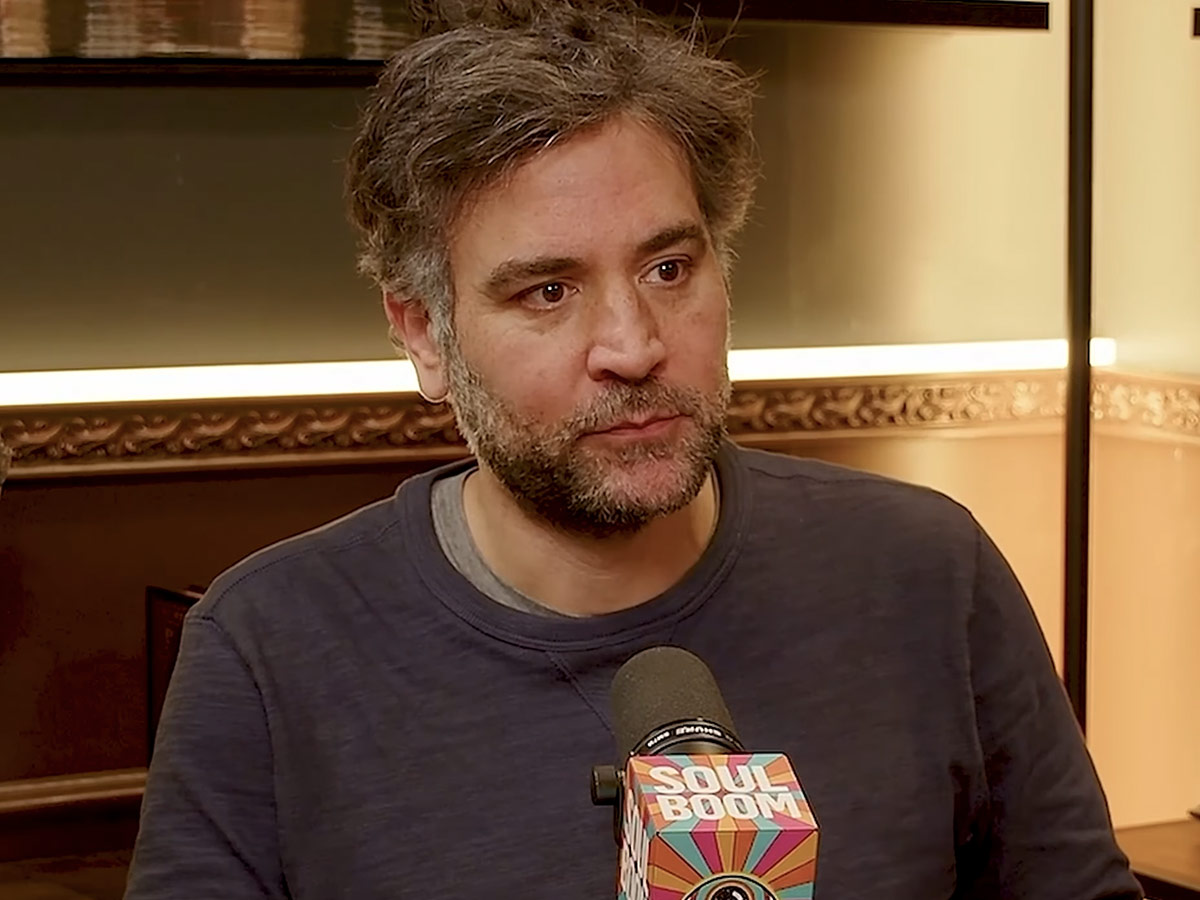
Actor Josh Radnor is sparking conversation after sharing a thought-provoking perspective on faith, purpose, and what people truly “worship” in modern life.
During an appearance on Rainn Wilson’s “Soul Boom” podcast, the How I Met Your Mother star suggested that even those who reject belief in God often center their lives around something else that takes on a similar role.
“I have this theory that there’s no such thing as atheism,” Radnor said. “I think that if you don’t believe in a god or God, what is your obsession? What is the thing you worship?”
Radnor explained that, in his view, human beings are wired to pursue meaning—and that this pursuit inevitably leads people to elevate something in their lives to ultimate importance. Whether it’s career success, relationships, or personal habits, he argued that these pursuits can become substitutes for traditional faith.
“Tech is a god… any addiction you have is a god… pursuit of status, worship of nation,” he said, pointing to the many ways modern culture can redirect devotion. He added that even harmful patterns can function like false gods, echoing themes often discussed in recovery programs like 12-step groups. “Let’s get you away from that false god and let’s get you in something more truthful so you can heal.”
The conversation touched on a deeper spiritual hunger that Radnor believes exists in everyone. While some may not identify with organized religion, he suggested that the desire for “truth and beauty and meaning” remains universal.
Wilson, known for openly discussing faith and spirituality, expanded on that idea by pointing to modern dating culture. He suggested that romance and the idea of finding a soulmate can become a kind of worship in today’s world—something Radnor agreed with.
“We started worshiping ‘other,'” Radnor said, referring to the tendency to place ultimate expectations on romantic partners. “You find all that now in your partner. Which has been pretty grievous for relationships.”
For many Christian listeners, Radnor’s comments echo a familiar biblical theme: that the human heart is designed for worship, but can easily turn toward lesser things when God is not at the center. The discussion highlights a growing cultural conversation about where people find identity and fulfillment—and whether those sources truly satisfy.
 Read Previous Post