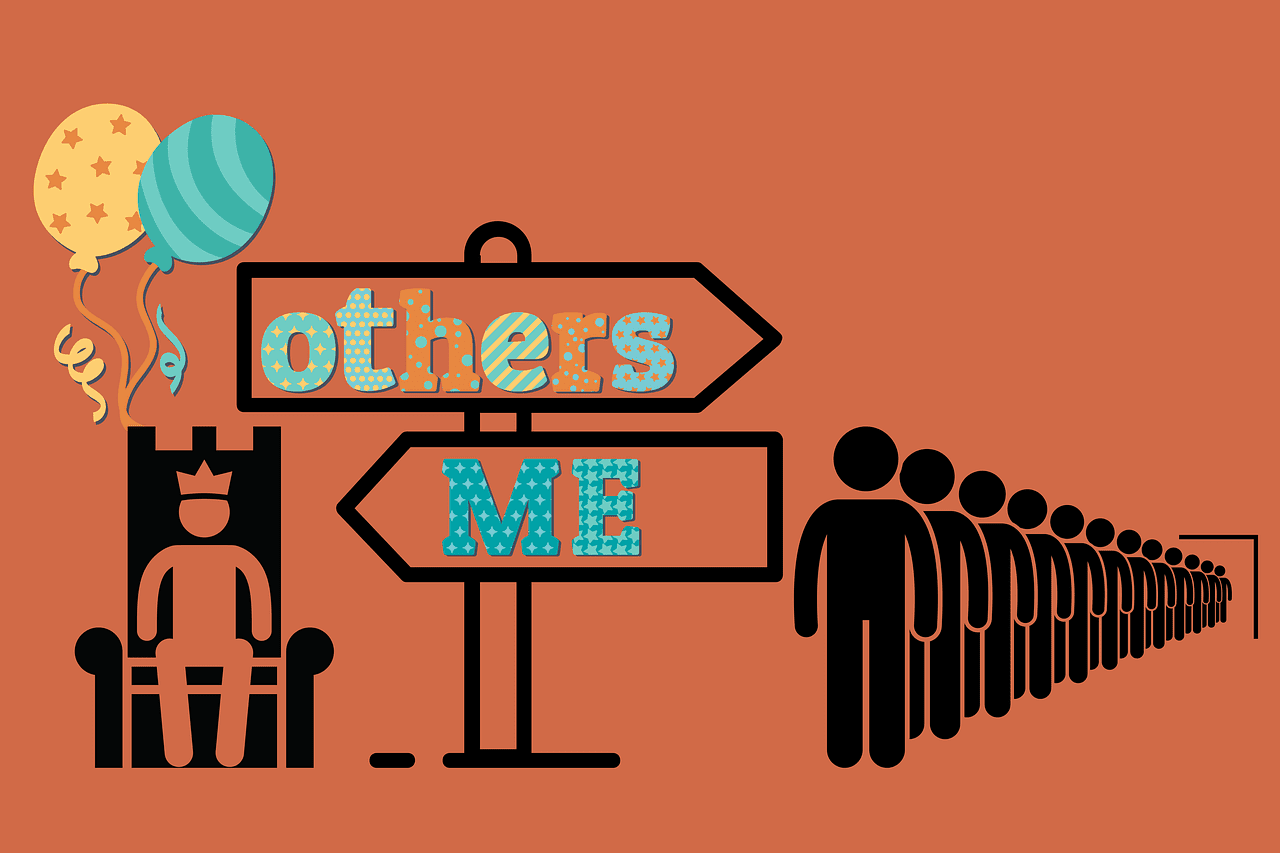
Imagine this: You share a personal struggle with a colleague, hoping for understanding. Instead, they redirect the conversation to themselves, minimize your feelings, or seem oddly detached. Later, when they’re criticized, they react defensively or shut down entirely. It can feel confusing, even hurtful. What’s going on beneath the surface?
Narcissism is often described in terms of behavior: grandiosity, a need for admiration, low empathy, and difficulty handling criticism. Clinically, these traits are associated with Narcissistic Personality Disorder, though many people show narcissistic traits without meeting full diagnostic criteria. What’s important and often overlooked is that these behaviors are deeply tied to how emotions are regulated.
At its core, narcissism is less about confidence and more about protection. Beneath the inflated self-image is typically a fragile sense of self-esteem. To manage this vulnerability, individuals may rely on defensive emotional strategies. One of the most common is emotional suppression—pushing feelings down or hiding them altogether. While this may help someone avoid discomfort in the short term, it requires significant mental effort and often interferes with authentic emotional connection.
Another key factor is something psychologists call cognitive appraisal. This is how a person interprets stressful situations. Someone with narcissistic tendencies may perceive even mild feedback as a threat, triggering defensive responses like denial, blame-shifting, or withdrawal.
Recent neuroscience research adds another layer to this understanding. Studies using brain imaging have found that structural differences in a region called the Insular Cortex (often referred to as the insula) are associated with narcissistic traits and emotional suppression. This small but critical area, located deep within the brain, plays a central role in emotional awareness, empathy, and sensing internal bodily states (like anxiety or excitement).
Specifically, variations in the volume and folding of the insula (features shaped early in development) appear linked to reduced emotional awareness and empathy. In simple terms, the brain systems that help a person “feel their feelings” and tune into others may not function as effectively. This helps explain why someone with narcissistic traits might struggle to recognize or express emotions, even if they want to.
So what does this mean in everyday life?
It suggests that narcissistic behaviors are also shaped by underlying brain processes and learned emotional habits. That doesn’t excuse harmful behavior, but it does point toward more effective ways of responding.
How can you help someone who tends to hide emotions due to narcissistic traits?
Start by lowering the emotional threat level. Direct confrontation or criticism often backfires, reinforcing defensiveness. Instead, model emotional openness yourself—naming your feelings calmly and clearly. This can create a safer space for reciprocity.
Encourage reflection rather than reaction. Gentle questions like, “What were you feeling in that moment?” can help build emotional awareness over time. This supports the development of skills related to emotional regulation, which can be learned and strengthened.
It’s also helpful to reinforce, not shame, small steps toward vulnerability. When someone expresses even a hint of genuine emotion, acknowledging it without judgment can reduce their need to retreat behind defenses.
In some cases, therapy is essential. Approaches that focus on emotional awareness and interpersonal functioning can help individuals gradually access and express their feelings more authentically.
The takeaway? Narcissism isn’t just about ego—it’s about emotion. And when we understand the deeper mechanisms at play, we’re better equipped to respond with both clarity and compassion.
 Read Previous Post