You walk into a room and feel instantly exposed. Your heart races, your thoughts scatter, and a simple conversation feels like a test you’re destined to fail. You try not to show it. You smile but inside, you anxious. For millions of Americans, this isn’t occasional nervousness. No, it’s a daily struggle known as social anxiety disorder.
Social anxiety goes far beyond shyness. While most of us feel awkward or hesitant in certain situations, social anxiety is marked by an intense, persistent fear of being judged, embarrassed, or humiliated. It can show up as excessive worrying, panic, or even physical symptoms like nausea, sweating, or a pounding heart. Everyday interactions like meeting new people, speaking in a meeting, or even making eye contact, can feel overwhelming.
Social anxiety often begins in early adolescence, around age 13, and can develop for a variety of reasons. Genetics may play a role, as well as brain functioning involving an overactive fear response. Life experiences such as bullying, criticism, or controlling environments can also contribute. Over time, these influences shape how you perceive social situations, often leading to avoidance and isolation.
At its core, social anxiety is driven by fear. It is the fear of judgment, embarrassment, and not measuring up. You may worry about blushing, saying the wrong thing, or being the center of attention. Ironically, the more you try to avoid these situations, the more powerful the anxiety becomes.
Therefore, it’s important to recognize when social anxiety becomes a real problem. If fear consistently interferes with your daily life and is impacting relationships, work, school, or relationships, it’s time to take it seriously. Avoidance may feel like relief in the moment, but it ultimately reinforces the anxiety.
The good news is that social anxiety is treatable. With the right support and tools, you can learn to challenge your fears, build confidence, and re-engage with life. The key is to name it and face it. The more you practice engaging even when you feel anxious, the less anxious you become over time.
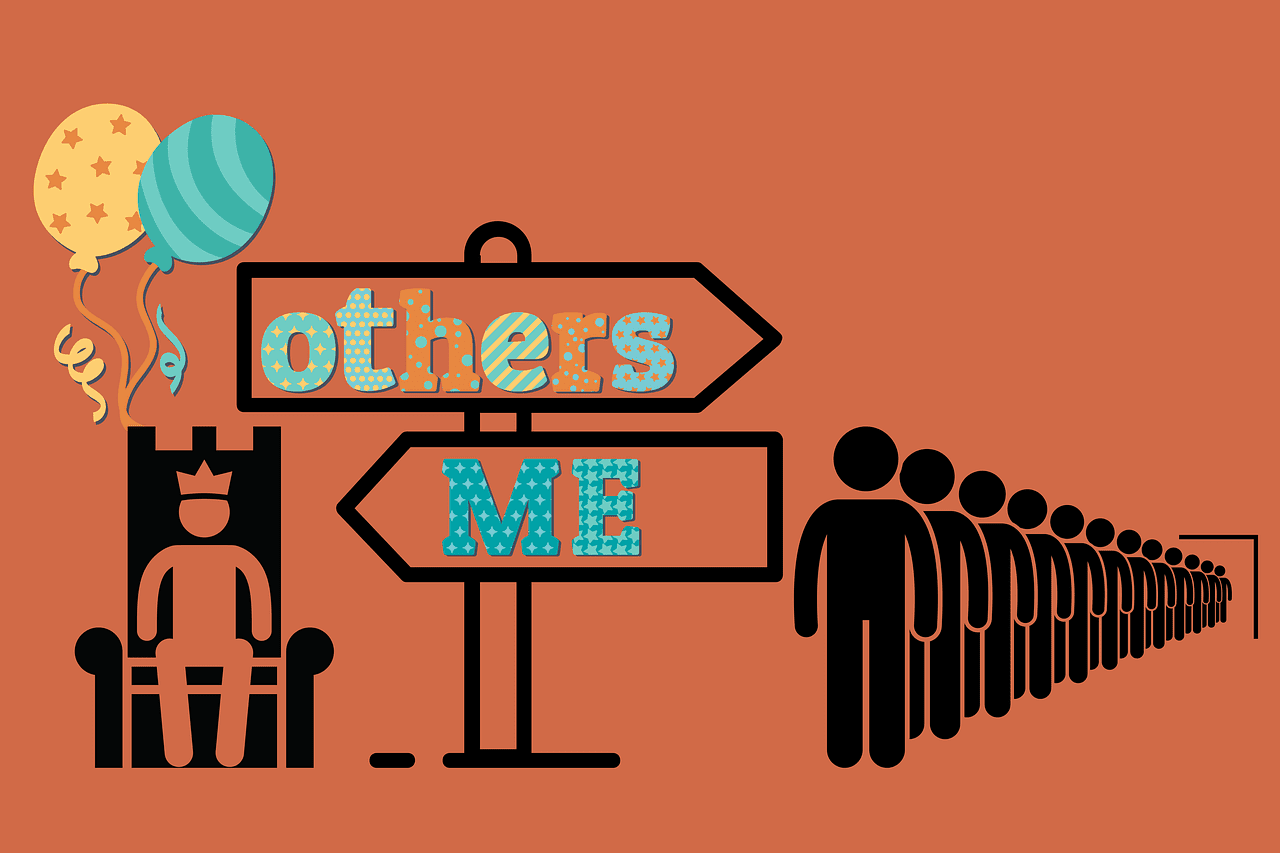
And beyond the clinical understanding, there is also a spiritual dimension to this struggle. Anxiety often pulls us inward, making us hyper-focused on ourselves. We worry about our performance, our image, our perceived flaws or becoming humiliated. Our faith gently redirects our focus outward and upward. When we get our eyes on Christ and others, we do better in many different ways-anxiety is one of those ways.
In Philippians 4:6-7, we are reminded: “Do not be anxious about anything, but in everything, by prayer and petition with thanksgiving, present your requests to God.” This is not a dismissal of anxiety, rather an invitation. When you are anxious, bring your fears honestly before God. He is your present help in times of trouble.
Social anxiety can make you feel isolated, but you are not alone. God sees beyond your fears and into your heart. He understands your struggles and offers His peace, not by removing every challenge, but by walking with you through them. As you move through the anxious situation, you grow and learn to trust.
If you or someone you love struggles with social anxiety, don’t ignore it. Name the problem. Then approach it as a signal to redirect your brain and thoughts to Christ. Remember, emotional and spiritual growth is possible. You can face anxious moments and overcome them.
 Read Previous Post