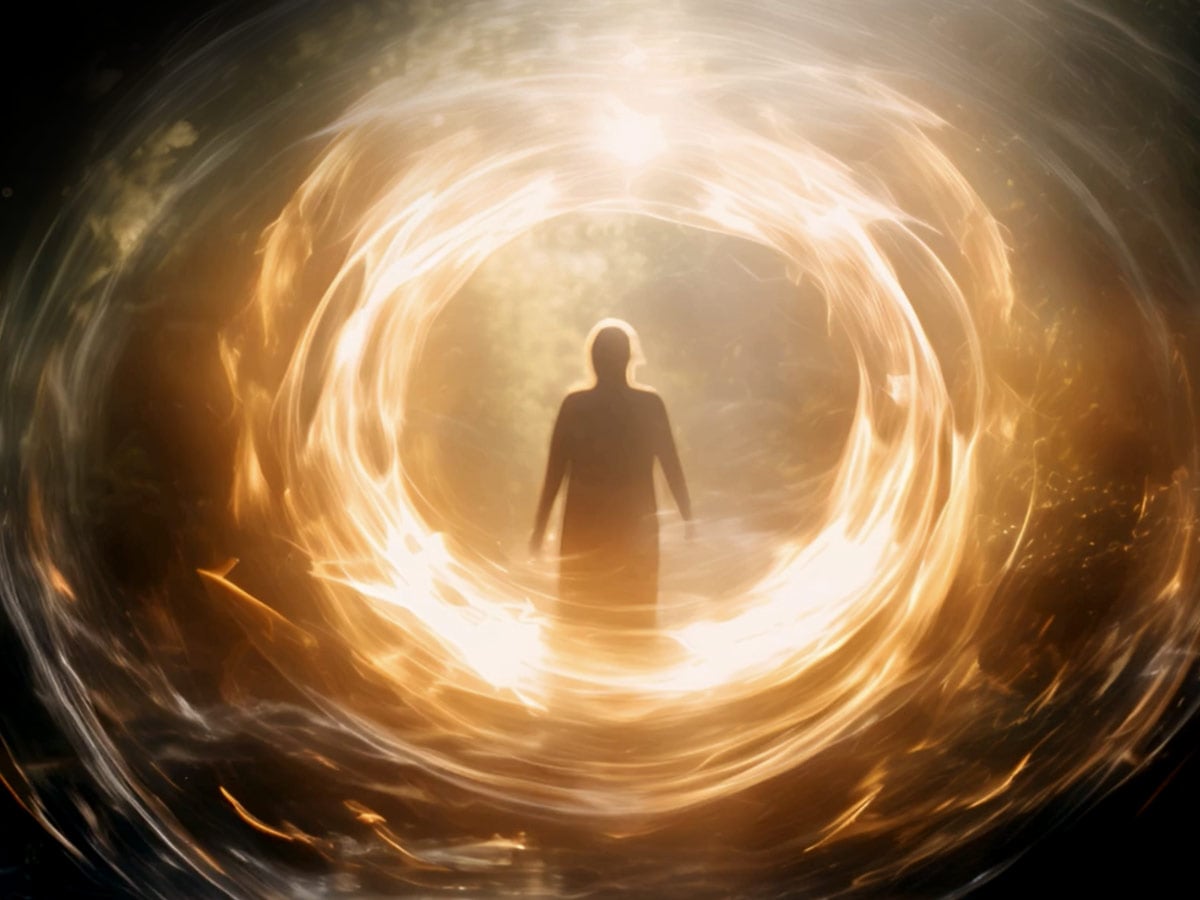
Near-death experiences (NDEs) are often viewed as giving the survivor a greater appreciation for life and the people around him or her. During an NDE, survivors report a feeling of well-being and may report seeing or hearing other worldly things. Some may even meet deceased loved ones. It’s an impactful experience that reverberates through the survivor’s life, but one recent study is finding that some of that impact may negatively impact real-life relationships.
A University of Virginia study published in Psychology of Consciousness: Theory, Research, and Practice shared the story of Sarah, a woman whose heart stopped for three minutes during surgery. After being revived, Sarah couldn’t reconnect with her husband the same way as the trivialities of daily life seemed less meaningful. Their marriage would end within two years of her NDE.
The study interviewed 167 survivors of NDEs and found 70% reported that their fears of death, as well as spiritual and religious beliefs had shifted in the aftermath. 22% reported a divorce or breakup afterwards. One in five reported worse relationships with family and friends. Many reported feeling lonely or isolated. “I just feel awake to reality, but alone in that knowledge,” wrote one participant. 85% stated a desire to share their experience but 55% stated they were afraid to do so. Finding support for those feelings was also difficult. “After a few attempts, I honestly didn’t feel anyone was deep enough to handle it … all the responses were textbook and uninspired; very disappointing,” one participant said. Another shared, “My experience felt that those around me didn’t understand the magnitude of what I went through, so I didn’t think others would care either.” Even churches seemed to offer less than stellar responses, sometimes turning those who sought help away.
Researchers described survivors’ difficulties as “reentry problems” and encouraged further research to offer up the types of needed for survivors. “The research on how to support these patients and their specific needs is still limited. We hope to begin addressing this gap and to inspire other researchers, especially clinicians, to devote time and care in pursuing these questions,” said Marieta Pehlivanova of UVA Health’s Department of Psychiatry and Neurobehavioral Sciences. Some of the biggest helps to survivors appeared to be belief. When people were responsive and believed their experience, survivors seemed to have better outcomes. They also seemed to do better in peer support groups than with counseling through professionals.
 Read Previous Post