
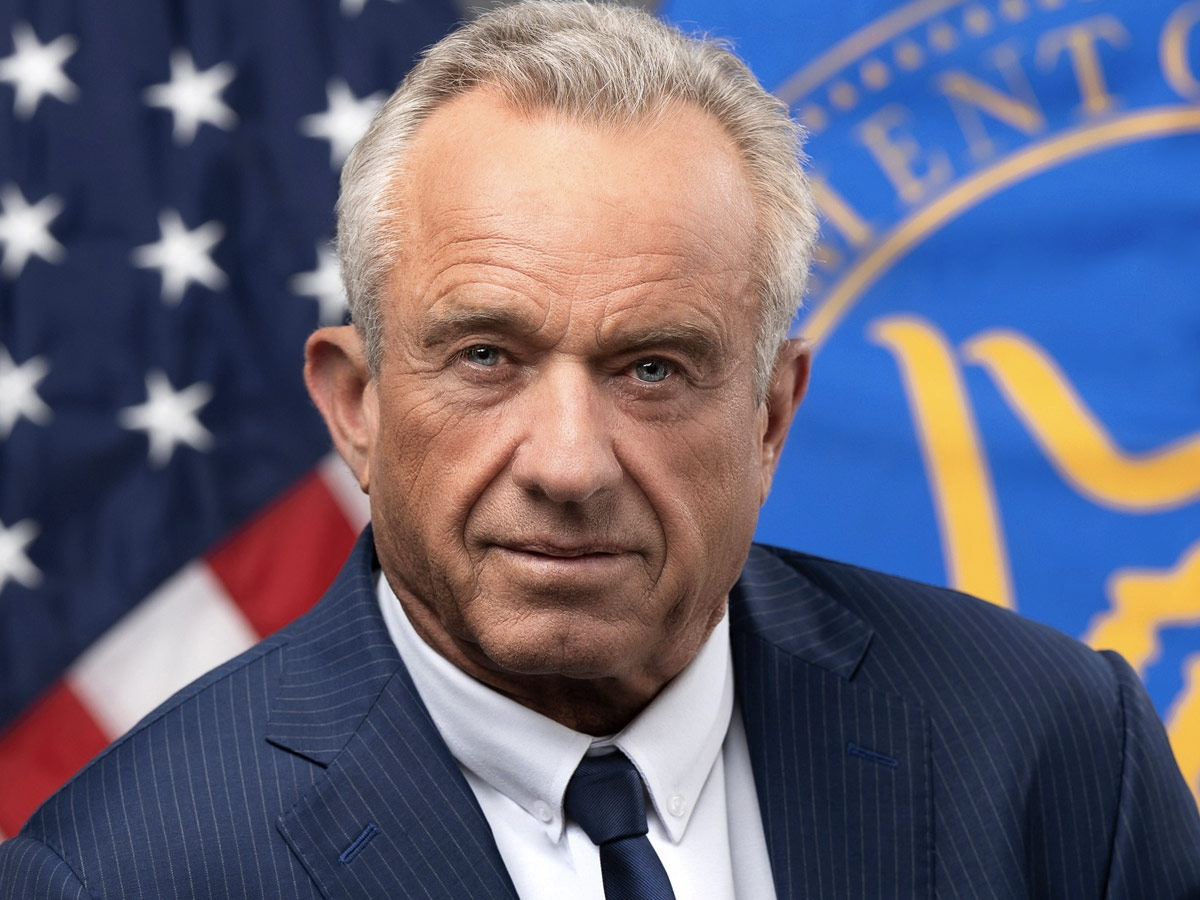
Children’s Health Defense recently hosted its “Moment of Truth” conference in Austin, Texas, drawing nearly 1,000 attendees. The organization, which Robert F. Kennedy Jr. chaired before his presidential run, is known for opposing vaccine mandates.
Kennedy did not attend the event, but his wife, actress Cheryl Hines, was present, underscoring the family’s continued connection to the group
As might be expected, much of the conference was devoted to opposition to vaccines. Of particular interest is the connection that at least some speakers made between their Christian faith and opposition to vaccine mandates
For example, Del Bigtree, CEO of Informed Consent Action Network and who also worked on Kennedy’s presidential campaign, told the conference: “God is an anti-vaxxer, and he needs you to speak up.
The medical aspects of vaccines are widely debated. Depending on which side of the debate someone favors, they can find plenty of support on the internet.
Secretary Kennedy stated in his confirmation hearing that he is not anti-vaccine, but is in favor of vaccine safety.
The current CEO of Children’s Health Defense, Mary Holland, affirmed that position: “CHD is not anti-vax. We’re pro-informed consent.”
Clearly, not everyone at the recent conference shares that sentiment. In addition to the “God is an anti-vaxxer” comment referenced above, Mark Gordon – the co-president of the MAHA (Make America Healthy Again) Institute – stated: “I’ve come to this anti-vax conference with a message: that we need to be more boldly anti-vax.”
The difference between being “pro-informed consent” and “anti-vax” is not simply a semantic one. To be “pro-informed consent” means that people have the right to make their own decisions, whether to be vaccinated or have their children vaccinated, after consulting with their medical professionals and weighing all relevant factors. To be “anti-vax,” however, would seem to deny people the right to make that decision by getting rid of vaccines.
This difference is reflected in such claims as that “big pharma” pushes vaccines for monetary gain. Those claims, along with accounts of personal experiences, support the push to eliminate vaccines—or at least to eliminate vaccine mandates.
The faith aspect of the question merits more consideration.
When people claim that “God is an anti-vaxxer,” on what are they basing that claim
No scripture directly addresses the question of vaccines, of course, because vaccines were unknown in the world of the Bible. Neither supporters nor opponents of vaccines can point to a specific passage to back up their position.
Faith-based skepticism about vaccines is not new, although it certainly exploded in connection with COVID-19 vaccine mandates. That skepticism, however, seems largely rooted in personal belief rather than church or denominational policies.
For example, the Roman Catholic Church recognizes the value of vaccines in general, while encouraging its members to seek alternatives to vaccines developed using tissue or cells from aborted fetuses. Many Protestant denominations may encourage vaccination (for example, the United Methodist Church). Most denominations also support the right of their members to object on religious grounds, while not expressly forbidding or encouraging vaccination.
At the heart of the matter are two foundational concepts of Christian faith: divine healing and God’s will. At the extreme, those positions could lead a person to decide: “If God wants me to get this disease, then I will get it. If He doesn’t, I won’t. And if I get the disease and God wants to heal me, He can and He will.”
However, it should be noted that disease is generally not part of God’s plan. In the beginning, when God created, disease was not part of His creation. Jesus came to bring healing and restoration. He offered as evidence for John the Baptist’s disciples that “the blind receive sight, the lame walk, those who have leprosy are cleansed, [and] the deaf hear…” (Matthew 11:5).
If sickness and disease resulted from sin’s entry into God’s creation, then healing must come from God – whether that healing is “miraculous” or the result of medical science. God’s ultimate purpose is to restore His creation: “He will wipe every tear from their eyes. There will be no more death or mourning or crying or pain, for the old order of things has passed away” (Revelation 21:4).
Another factor to consider is the Christian’s responsibility to his or her “neighbors.” During the COVID-19 pandemic, many churches supported vaccination as a way to demonstrate love and care for those around us. That same rationale would apply to vaccines in general; a Christian would not want to expose others to measles, whooping cough, or other such diseases unnecessarily if vaccination were available and there was no compelling reason to refuse it.
So, is God “anti-vax”?
With no direct Scriptural authority, the question comes down to personal conviction. The vast majority of Christian denominations allow members to be vaccinated, while recognizing their right to object on personal grounds. The danger comes when Christians claim God’s support for their position, rather than seeking His will.
Selectively interpreting and applying passages to support one’s preferences, while ignoring those that are less helpful, is spiritually dangerous and risks discrediting the gospel as a whole. It is one thing to have a personal conviction against vaccines; it is something else entirely to claim that God is “anti-vax” to support that conviction.
 Read Previous Post