
Gen Z continues to be an enigma. Reports declare them as “more religious than previous generations” yet they fall into syncretism, a practice that takes multiple beliefs from various backgrounds and combines them. Gen Z is also filled with religious “nones,” with 33% reporting that they have no religious affiliation, yet the Barna group recently reported that church attendance is surging amongst Gen Z and CBS News recently aired a segment reporting on the surge of baptisms amongst Gen Z. So, what exactly is going on?
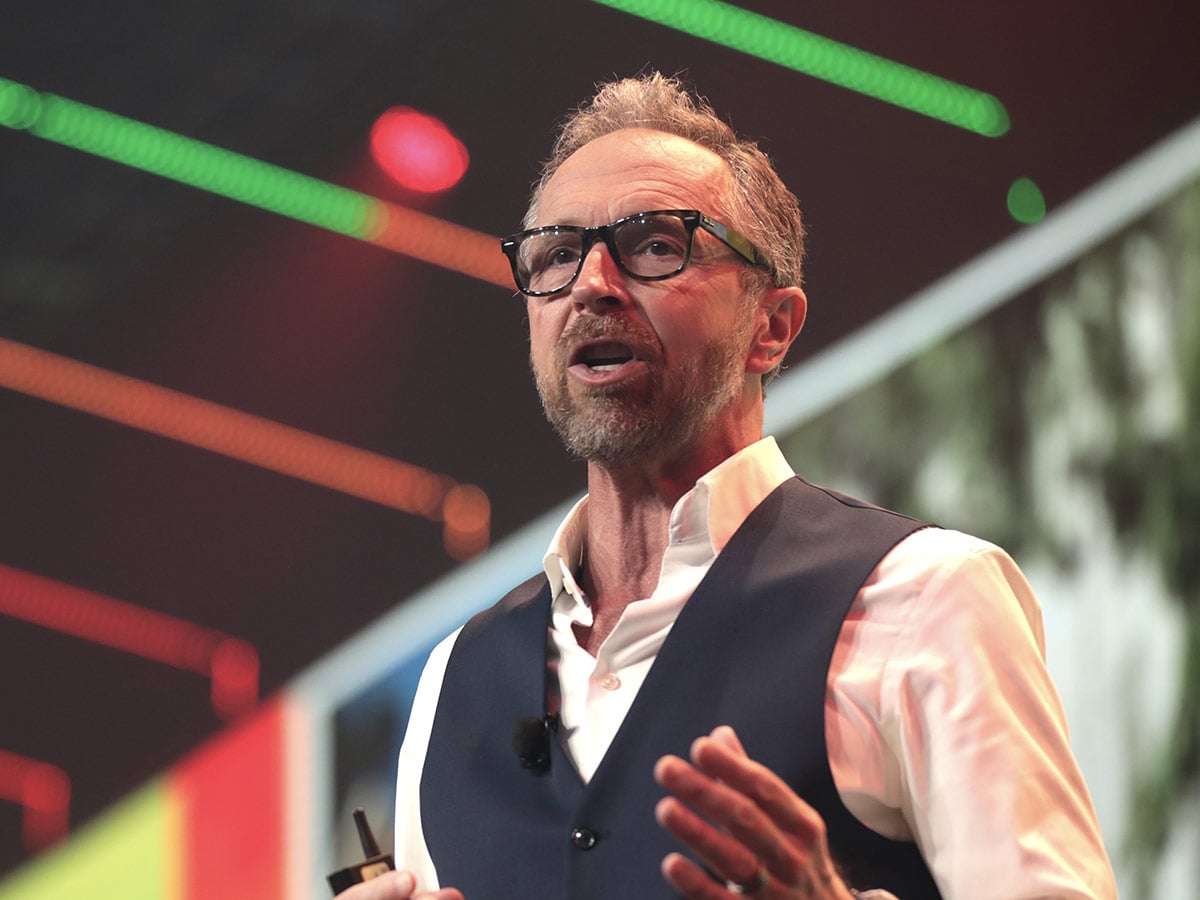
Jeff Myers, the president of Summit Ministries, is calling for a fight for the spiritual soul of Gen Z. “A lot of what has happened in this rising generation is a desire to trust the self. I don’t seek the truth. I speak my truth. So, I just have to be true to myself. I am the one who meets all of my needs. Well, of course, if you think about it for just 30 seconds, you realize if I am the center of all of reality, then everything bad that happens in the world is somehow my fault. That can be very confusing,” Myers told the “Crossmap” podcast.
Summit Ministries recently released a 40-page report on the spiritual health of Gen Z, who range from the age of 13 to 28, entitled “State of the Rising Generation Report.” What it reveals is a generation of mental health struggles, with 72% of young women making anxiety and depression a part of who they are while 67% of young men say the same. Yet there is also a spiritual hunger, with 90% having some sort of spiritual belief.
“Seventy-five percent of young adults today say they don’t have a sense of purpose that gives meaning to their lives. And about half of them say they regularly struggle with anxiety and depression,” warned Myers. However, he noted that Gen Z, particularly young men, are beginning to see past the lie that they can be the source of their own truth. He highlighted the impact that technology has had on the faith of Gen Z, with Gen Z’s ability to access the internet through smartphones having a major impact on how they seek out information. He warned about how search results are “curated” to give certain impressions of the world. He cited how a search for “transgender” leans more towards affirming stances.
He called on parents to help their children develop a biblical worldview so they can sort through the competing ideologies that come into their sphere. A biblical worldview which understands the nature of God, he asserted, would help young adults to have more confidence in a world that pushes insecurity on issues like climate change or gender. He said his hope for the rising generation is that they will focus on truth and entwine it into their relationships. “Truth without relationship makes people arrogant,” he warned. “But if you take truth and relationship and tie them together, that is the DNA of influence. That not only changes the minds and hearts of the rising generation, but it’s something that they can plant in future generations beyond them.”
 Read Previous Post