A 1,600-year-old Samaritan estate uncovered in Israel could have ties to a magician mentioned in the Bible. Archaeologists uncovered the lavish estate in Kafr Kassem. The Israel Antiquities Authority (IAA) was excavating the site prior to the building of a new neighborhood. The site is believed to be a Samaritan settlement that existed for some 400 years, beginning at the decline of the Roman empire in 400 AD and the end of the Byzantine period in 700 AD.
Kafr Kassem is believed to be the birthplace of Menander, a Samaritan magician mentioned in historical documents. Menander is also believed to be the successor of Simon Magus, a magician that is mentioned in Acts 8. In Acts, the Apostle Philip goes to the city of Samaria to preach the Gospel. Simon, seeing the many miraculous works Philip performs, becomes a believer as well. He is later rebuked, however, by the Apostles Peter and John after he offers them money in exchange for the power to give others the Holy Spirit. Simon would later found some Gnostic sects.
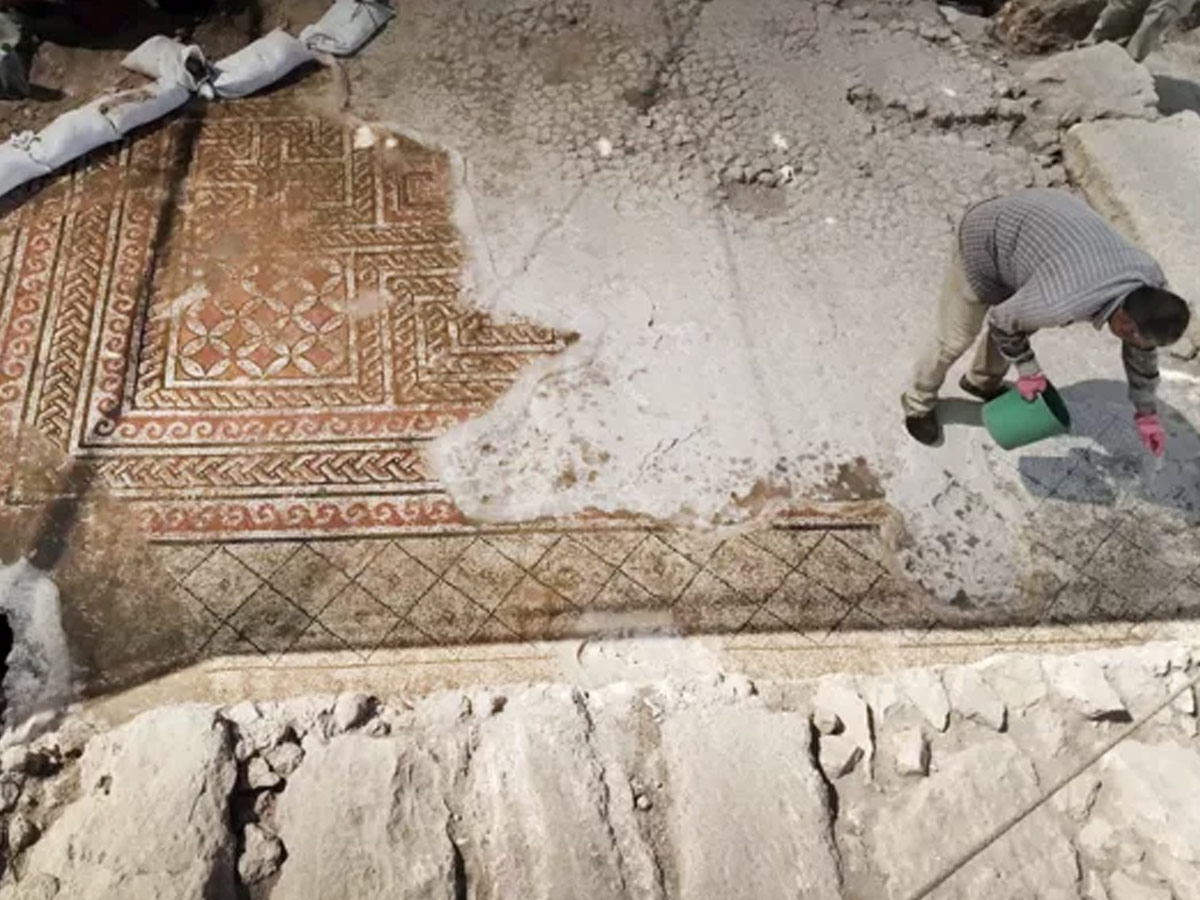
According to the IAA, the “magnificent” site included some breathtaking mosaics. One room’s floor is decorated with a number of various fruits and vegetables, including grapes, dates, watermelons, artichokes and asparagus. A partially preserved Greek inscription at the room’s entrance stated “Good luck!” Other findings in the site included a large warehouse and wine press. Excavation directors Alla Nagorsky and Dr. Daniel Leahy Griswold remarked on the estate’s size. “The size and splendor of the buildings discovered, the quality of their mosaic floors and the impressive agricultural installations, all point to the great wealth and prosperity of the local Samaritan community over the years,” they said.
As the Roman empire transitioned in the Byzantine empire, the estate underwent changes too. “The wealth and luxury of the buildings were replaced by oil production and agricultural installations. New walls damaged the mosaic floors, and the magnificent capitals and columns were integrated within the new walls,” said Nagorsky. During the 5th and 6th centuries AD, there were a series of uprisings against the Byzantine empire, known as the Samaritan Revolts. Such revolts could explain the changing estate as the region adjusted to Byzantine control.
The site was also spared from destruction, unlike other Samaritan sites in the region. “”What makes this site particularly interesting is that unlike some of the other Samaritan sites that were destroyed in these revolts, the agricultural estate in Kafr Qasim actually continued in use, and even preserved its Samaritan identity — as evidenced by the Samaritan ceramic oil-lamps uncovered in our excavation,” noted Nagorsky. “This is a fascinating site, which displays the historical gamut between the days of prosperity and the decline of the Samaritan community. Its long-term existence and impressive findings will allow us to reconstruct its history over centuries and will enrich our knowledge about this population in ancient times.”
 Read Previous Post