
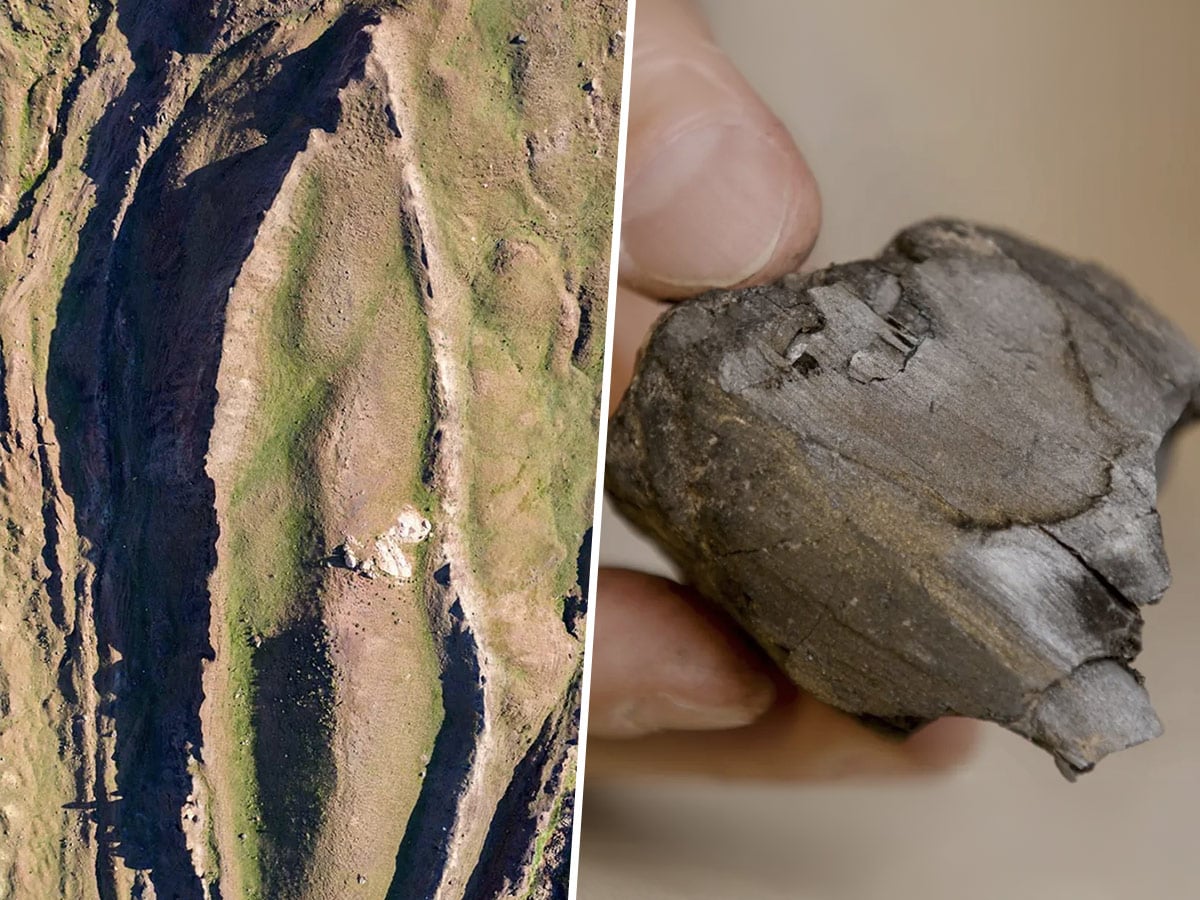
Could researchers be one step closer to finding Noah’s Ark? A team investigating a mysterious boat-shaped formation in Turkey says newly tested wood samples date to approximately 4,300 years ago, which they say could potentially align with traditional biblical timelines for the Great Flood.
Andrew Jones, founder of the Noah’s Ark Scans research team, said during an appearance on Fox News’ “Saturday in America” that the findings are an encouraging development in the decades-long search for evidence of the biblical vessel.
“We can announce that the samples date back to about 4,300 years ago, so this lines up with some of the traditional dates for the flood of Noah,” Jones said. “So we’re in the right time period.”
The discovery comes from a site near Mount Ararat in eastern Turkey, a region long associated with the story of Noah’s Ark. According to Genesis 8:4, the ark came to rest on the “mountains of Ararat” after floodwaters began to recede.
Jones said his team recovered several bags of what appeared to be burned wood about 30 feet beneath the ground on the western side of a boat-shaped formation.
Some of the recovered pieces reportedly contained markings that researchers believe could indicate they were worked with tools.
The formation itself measures approximately 300 cubits in length, according to Jones, matching the dimensions God instructed Noah to use when building the ark in Genesis 6:15.
For Jones and his team, the formation’s shape, its dimensions and the preliminary dating results make the location worthy of further investigation.
However, the researchers acknowledge that significant questions remain.
“What we don’t know is how the wood got there,” Jones explained. “And so we’re doing it one step at a time, but we’re happy to see these initial results from one of the labs.”
The site has attracted attention for more than 65 years, with some biblical researchers suggesting the unusual geological formation could contain remnants of the vessel described in Scripture.
But the claims remain controversial. Mainstream scientists generally regard the structure as a naturally occurring rock formation, and there is currently no independently verified archaeological evidence establishing that Noah’s Ark has been discovered.
Even if the wood’s reported age is confirmed, researchers would still need to show the material came from an ancient vessel rather than another source.
Jones says his team remains committed to examining the evidence carefully, regardless of where it leads.
“We’re checking out every piece of evidence that we gather… and reporting the results wherever the data goes,” he said.
For Christians fascinated by the accounts recorded in Genesis, the findings offer another intriguing chapter in the search for Noah’s Ark.
While the mystery is far from solved, researchers hope additional testing will help determine whether the ancient wood and unusual formation may hold clues to one of the Bible’s most famous stories.
 Read Previous Post