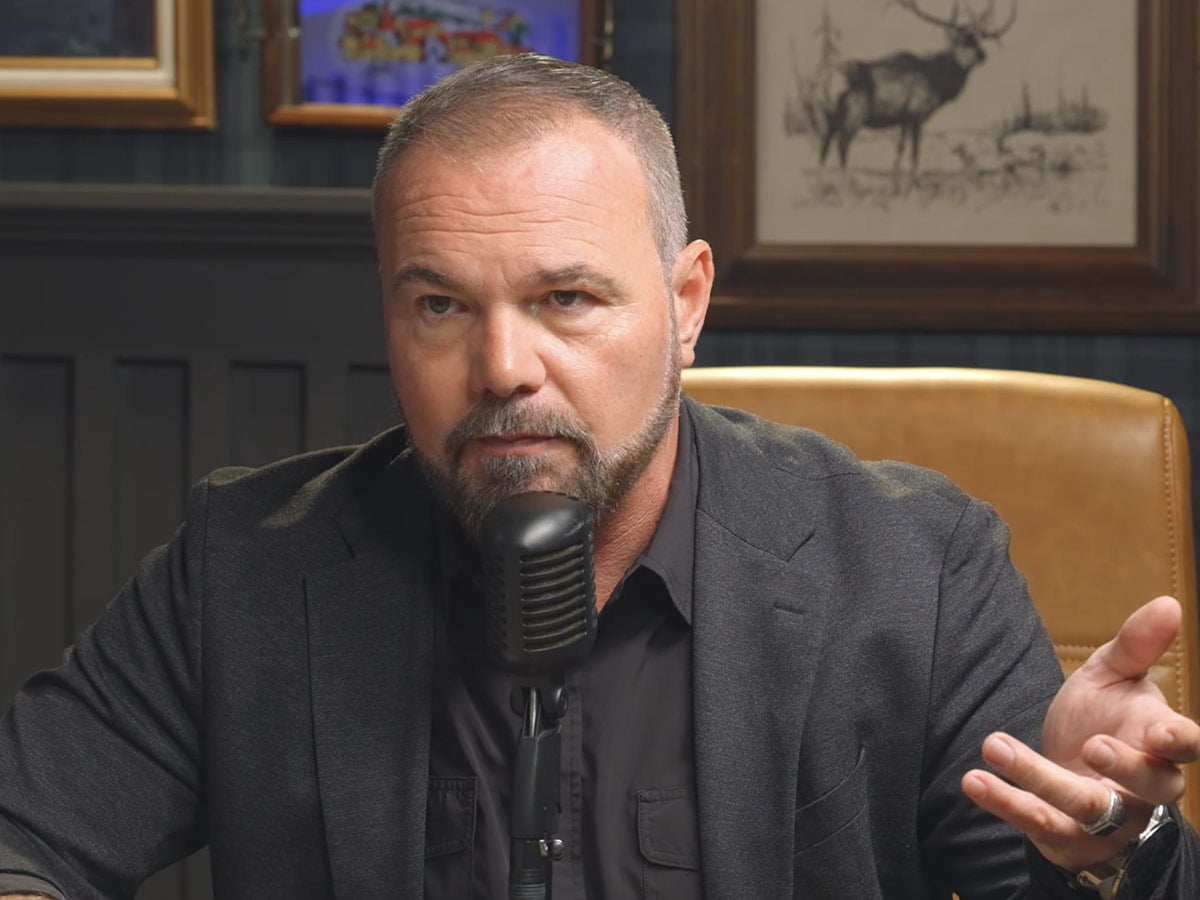
Pastor Mark Driscoll is stirring debate after weighing in on whether obesity should disqualify a pastor from ministry, arguing that biblical requirements for self-control should apply to eating habits as well as other areas of life.
Driscoll, who leads Trinity Church in Scottsdale, Arizona, addressed the provocative question during a recent episode of his podcast. Although the discussion began with a humorous tone, Driscoll pointed to the qualifications for church leaders outlined in 1 Timothy 3 and Titus 1.
“The Bible says in 1 Timothy 3 [and] Titus 1 that a pastor must be self-controlled,” Driscoll said. “And it says he should not be addicted to much wine, which is talking in general about living a life of self-control and not being one with addictions.”
He then connected that standard to food, noting that scripture also warns against gluttony.
“The Bible talks a lot about gluttony, more than most pastors,” he said.
However, obesity itself can have many causes and does not necessarily indicate gluttony or a lack of self-control. The Centers for Disease Control and Prevention describes obesity as a complex chronic disease influenced by factors including behavior, environment, genetics, health conditions and stress.
More than 40 percent of American adults were considered obese between August 2021 and August 2023, according to the CDC. Obesity can also increase the risk of several serious health problems, including type 2 diabetes, heart disease, stroke and certain cancers.
Driscoll nevertheless argued that Christians sometimes condemn certain vices while overlooking others. Referencing the Apostle Paul’s warning in Philippians 3 about people whose “god is their stomach,” he recalled once joking about the issue while speaking at an unnamed Baptist seminary.
“I heard you guys are the Baptists, and you guys don’t drink wine,” Driscoll recalled telling the audience. “What’s killing the Baptists is drinking gravy.”
Driscoll continued by joking about the weight of Baptist pastors, acknowledging that the comments apparently did not go over well. He said he was never invited back.
The pastor also acknowledged that he does not consider himself a model of physical fitness, but argued that ministers should take their health seriously.
“I’m not saying, you know, that I am Mr. Universe, but it’s like, if you drop your Bible and you can’t see it, you probably need to work on it,” he said.
Driscoll broadened his argument beyond obesity, saying different Christian traditions can become comfortable with particular habits while condemning others. He pointed to stereotypes surrounding Pentecostals, Baptists and Presbyterians and their differing attitudes toward alcohol, tobacco, food and fitness.
“Different things are forbidden, and other things are tolerated,” he said, describing the result as a “choose-your-own-adventure for your vices.”
While Driscoll suggested obesity can raise questions about whether a pastor meets scripture’s requirement for self-control, the biblical passages he cited do not specifically list body weight or obesity as a disqualification from ministry. His comments instead raise a broader and potentially contentious question for churches: How should biblical commands concerning self-control be applied to the health and habits of those called to lead?
 Read Previous Post