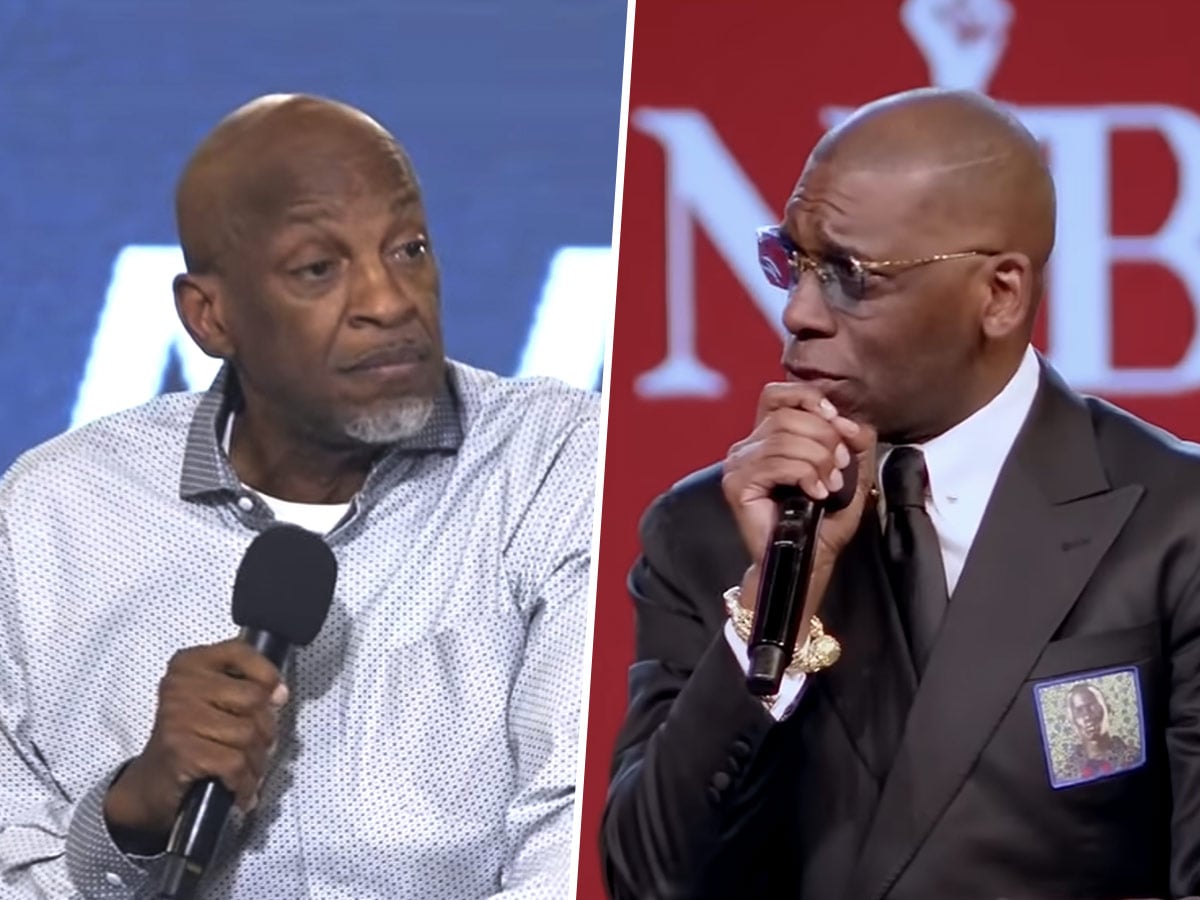
Grammy-winning gospel singer and pastor Donnie McClurkin is sounding the alarm over what he calls a “dangerous” teaching after a prominent Atlanta pastor used the word “abracadabra” to illustrate the power of spoken words.
During a service at Perfecting Faith Church in Freeport, New York, McClurkin criticized New Birth Missionary Baptist Church Pastor Jamal Bryant without naming him, arguing that Christians cannot “speak things into existence.”
“You cannot mix witchcraft with holiness,” McClurkin told his congregation.
His comments came after Bryant delivered an Aug. 2 sermon at his Stonecrest, Georgia, church in which he recalled hearing a magician explain the supposed meaning of “abracadabra” during a visit to his daughters’ school.
Bryant told his congregation the word meant, “I create what I speak,” before connecting the phrase to Romans 4:17, which refers to God as the One who “calls into being things that were not.”
“Speak those things that are not as though they already are,” Bryant said. “If you don’t want to see nothing, don’t say nothing. But if you want to see the hand of God in the month of August, abracadabra! Let all my bills get paid.”
McClurkin took issue with that interpretation, warning that it could leave Christians with a distorted understanding of scripture and God’s authority.
“You cannot incorporate witchcraft into holiness,” he said. “And that doctrine is wrong. That dogma is wrong because it leads the believer to believe the wrong belief. It leads the believer to believe that if I say something, it comes to pass.”
When some members of his congregation laughed, McClurkin quickly made clear that he did not view the matter as humorous.
“We laugh at things that are dangerous and don’t take seriously when we see people incorporating that which is arcane with that which is holy,” he said. “It can never happen.”
McClurkin also challenged the way Romans 4:17 was being applied. The verse describes God as the One who “gives life to the dead and calls into being things that were not.” McClurkin argued that the passage speaks about God’s power, not a believer’s ability to create a desired reality through words.
“That’s a lie,” he said of the idea that Christians can simply speak things into existence.
McClurkin explained that he intentionally avoided naming Bryant because he believes there is still room for correction and repentance.
“The reason why I don’t use the name of the person this time is because God can always cause someone to repent,” he said. “But I must decry against what they preached, which was damnable and wrong.”
The Southern Baptist Convention’s North American Mission Board has similarly rejected teachings that suggest Christians can create reality through their words.
“Can we create our realities with our words? Can we speak certain things into existence, such as health, wealth, or anything else we imagine? Well, the answer is simple: no, we cannot,” NAMB states in an article addressing the subject.
“Our words matter, and we should use them wisely, but nowhere does the Scripture teach we are creating our realities with our words,” the organization adds. “God is God, and we are not.”
 Read Previous Post