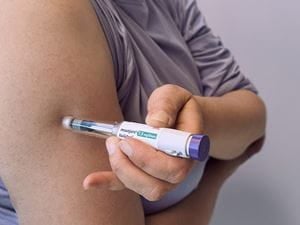
GLP-1 medications have become a popular option for weight management, but taking the medication is only one part of achieving healthy, lasting results. What you eat, how you exercise, and the habits you build along the way can all make a difference.
Whether you’re currently taking a GLP-1 medication or considering one, it’s important to understand how these drugs work and what to expect. Common mistakes can make side effects harder to manage, interfere with nutrition or make it more difficult to maintain progress over time.
Here are five common mistakes people make while taking GLP-1 medications—and what you can do instead.
1. Focusing Only on Weight Loss
Many people who start on GLP-1s are only focused on weight loss. Perhaps this is why you started a GLP-1. While there is nothing wrong with taking a GLP-1 for weight loss, your top priority should be your health. For instance, if your only focus is weight loss, you will neglect other aspects of your health, such as your mental health and overall well-being.
Becoming obsessed with dieting and weight loss can quickly turn into an eating disorder. Eating disorders can be incredibly hard to overcome; therefore, it is best to prevent them. If you are only on a GLP-1 for weight loss, then you need to take a good look at your mental health. Are meals stressful? Do certain foods cause anxiety or fear?
Get a conversation started with your primary care doctor if you notice your mental health deteriorating. There is no point in causing your health to suffer any more than it already is. If weight loss is your goal, make sure you pair it with healthy habits rather than disordered ones.
If your doctor thinks it is best to take you off your GLP-1, know that it is not the end of the world. There are other ways to achieve your goals, such as natural weight loss through healthy calorie reduction and exercise. You can get through this and emerge victorious on the other side.
2. Not Paying Attention to Your Nutrition
GLP-1s are known to cause nutritional deficiencies in many users. This is because GLP-1s cause early satiety. If you haven't already, make sure you get all your vitamin levels checked, including calcium, vitamin B12, and folate. Healthy does not equate to low body weight; healthy means an overall healthy mind, body, and soul.
If you have a nutritional deficiency, ask your doctor about starting a vitamin supplement. Many vitamins can be purchased over the counter. For other vitamins, such as vitamin B12, you may need injections every few weeks or every month. Talk with your doctor and see what they think is the best course of action.
3. Not Drinking Enough Water
GLP-1 users can struggle to drink enough water due to early fullness. If this is a problem you are encountering, make sure you try to hydrate in other ways. Eating watermelon or honeydew can increase your hydration levels. In the same way, vegetables can help your body maintain adequate hydration.
If needed, your doctor might give you IV fluids to treat dehydration. Do not fear if this happens. It is a simple treatment that lasts less than an hour. A nurse will place an IV in your arm to administer fluids directly into your body. This can quickly treat dehydration and help you feel better again.
4. Skipping Follow-Up Appointments With Your Doctor
If you are taking a GLP-1, it is vitally important to follow up with your doctor. You don't need to miss appointments or fail to schedule your annual exams. Your treatment plan will not succeed without your doctor. It can be challenging to find the time to see your doctor, but it is worth the time and energy.
Your doctor will also be able to provide you with resources, helpful tips, and encouragement as you live life while taking a GLP-1. If you have to stay on a GLP-1 for the rest of your life, your doctor will be able to monitor your levels and ensure your health improves rather than worsens. Doctors know GLP-1s are not a cure-all; therefore, it is essential to keep your appointments.
5. Not Taking Your Medication as Prescribed
Many GLP-1 users make the mistake of not taking their medicine as prescribed. Perhaps you took your medicine twice in one day because you felt like you had eaten a big meal. Although this can be tempting, you need to make sure you take your medicine only as prescribed. If your doctor told you to take your medicine once a day, it is vital that you take it only once a day.
Overdosing is a risk – and it is not one worth taking. If you feel like you overate at a meal or a day, just take a breather. Remind yourself that you can always start over again tomorrow. One bad day is not going to ruin your goals. Take this time to practice self-care, such as spending time with God, going outside to enjoy His creation, or meeting up with loved ones.
Your life doesn't have to revolve around your GLP-1. You deserve to have a life outside of your health issues and medications. Just remember to take your medication as prescribed, and you will be set up for success. If you forget to take your medicine one day, know that it is not the end of the world. Try writing yourself a reminder or setting an alarm on your phone to prevent yourself from making the same mistake again.
Taking a GLP-1 is only one part of the bigger picture when it comes to your health. Staying hydrated, getting proper nutrition, keeping up with doctor visits and taking your medication as prescribed can help you avoid common mistakes along the way. Most importantly, focus on improving your overall health—not just the number on the scale.