
Probiotics

Your energy levels may decrease if your gut health is out of whack. That’s because when the gut is out of balance, it can lead to inflammation and ultimately poor energy as the body cannot process and utilize nutrients to its best ability, according to Trisha Best, MPH, RD, LD a registered dietitian from Balance One Supplements. One of the ways you can rebalance your gut is by taking probiotic supplements. Probiotics are ‘good bacteria’ that promote gut health and improve digestion. While some food sources contain probiotics, such as kefir, kimchi, and yogurt, supplements are some of the best ways to consume probiotics, as bacteria levels vary significantly in food depending on preparation and handling. Not only do probiotics impact your energy levels, but they’re also connected to everything from your mood to your immune system and more.
Vitamin B12

Vitamin B is essential to creating energy in the body, and if you’re not getting enough through the foods you eat, then a supplement is vital. This vitamin helps our cells convert the food we eat into energy, and when we are deficient, we tend to feel weak, tired, and lightheaded. A B12 deficiency can also lead to anemia, known as pernicious anemia. The anemia most think of when they hear the word is related to an iron deficiency, but pernicious anemia is rooted in a lack of B12. Here’s the kicker, this form of anemia causes low energy and fatigue, so ensuring that you have sufficient vitamin B in your diet is essential to maintaining your power. Vitamin B12 can be found in fish, meat, and poultry.
Ashwagandha
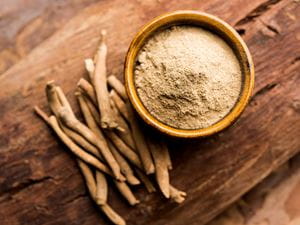
If you’re looking for one of the most natural supplements for energy, ashwagandha is it. It’s an herb that has been used for centuries for its many medicinal purposes, specifically helping with stress by managing cortisol levels. If you’re wondering where the help with the energy comes in, ashwagandha naturally reduces cortisol levels, especially those elevated due to ongoing and uncontrolled stress. Improving mental fatigue and stress can lead to improvements in overall energy. So, if you’re someone who is often stressed, it could be impacting your energy levels, and Ashwagandha could be the supplement you need to begin to regulate your anxiety and boost your energy.
Vitamin D
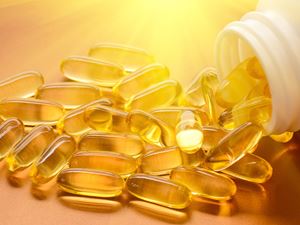
Muscle fatigue is a common symptom in people who do not get enough vitamin D. More than 50 percent of people worldwide are deficient in vitamin D. Certain people are more at risk of being deficient than others, including older adults, people with darker skin, and obese people. The researchers behind a 2013 study found that people with low vitamin D levels had improved muscle efficiency after receiving treatment for the vitamin deficiency. There is also a link between depression and low levels of vitamin D. Fatigue is a common symptom of depression.
Iron

An iron deficiency can lead to a lack of energy and fatigue. People who have a higher risk of iron deficiency include menstruating, pregnant or breastfeeding, vegetarians, and donate regularly. One study looked at unexplained fatigue in menstruating women. The participants supplemented with iron over 12 weeks had a 47.7 percent decrease in fatigue. Those in the placebo group had a decline of just 28.8 percent. Eating iron-rich foods with vitamin C can increase absorption, so people should be sure to consume enough fruits and vegetables, especially citrus fruits, and leafy greens.
Vitamin C

Although vitamin C is commonly associated with immune system issues, it is one of the best vitamins for energy levels. Vitamin C is a potent antioxidant and healer that can assist our bodies in combating bacteria and viruses. There is an unmistakable link between vitamin C’s anti-fatigue properties and tiredness. If you can recover from illness in less time, you’ll spend less time feeling drained and exhausted.
Rhodiola Rosea

Rhodiola rosea is an herb that grows cold, mountainous regions. It’s widely used as an adaptogen, a natural substance that enhances your body’s ability to cope with stress. In one study, researchers combined and analyzed the results of eleven studies that examined the effects of rhodiola on physical and mental fatigue in more than 500 people. Eight of the eleven studies found evidence that rhodiola can enhance physical performance and ease mental fatigue. There were also no significant safety risks associated with rhodiola supplements. Another review concluded that rhodiola carries a low risk for side effects and may help alleviate physical and mental fatigue. Rhodiola has been suggested to help with depression, commonly linked to fatigue.
