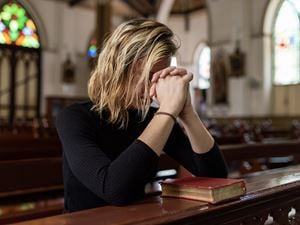
You show up for church every Sunday. But does your faith show up the rest of the week?
For some Christians, Sunday is the one day of the week when their relationship with God takes center stage. They sing along to worship songs, listen to the sermon, and spend time reading their Bible. But once Monday morning rolls around, the demands of everyday life take over, and prayer, Scripture, and living out their faith slowly fall to the bottom of the priority list.
Following Jesus was never meant to be a once-a-week commitment. It's about allowing your faith to shape how you live, the choices you make, and the way you treat others every day. So how can you tell if your relationship with God has become more of a Sunday routine than a daily commitment? Here are seven signs you may have become a "Sunday-only" Christian without even realizing it.
1. You Rarely Open Your Bible Outside of Church
How often do you read your Bible outside of Sunday morning? According to Lifeway Research, only 31% of churchgoers read the Bible daily. For many Christians, Scripture is something they hear during a sermon rather than something they study throughout the week.
If that sounds familiar, consider setting aside just 10 minutes each day to read God's Word. Start small, take note of passages that stand out, and gradually make Bible reading part of your daily routine.
As Paul reminds us, "All Scripture is God-breathed and is useful for teaching, rebuking, correcting and training in righteousness, so that the servant of God may be thoroughly equipped for every good work" (2 Timothy 3:16-17, New International Version).
2. You Only Turn to God When You Need Something
When was the last time you prayed simply to spend time with God rather than ask Him for something? It's easy to turn to prayer when life gets difficult, but our relationship with God shouldn't revolve around what we need from Him.
Prayer is also an opportunity to express gratitude, seek guidance, and grow closer to Christ. If you've fallen out of the habit, remember that you're never too far gone to return to Him. You don't need fancy words or perfectly structured prayers. Simply talk to God about what's on your heart, just as you would with a close friend.
3. Your Priorities Revolve Around You, Not God
It's easy to get caught up in our own plans, goals, and desires. But when everything in life revolves around what we want, our relationship with God can quickly become an afterthought.
Following Jesus means recognizing that our lives belong to Him. That doesn't mean abandoning our dreams or responsibilities, but it does mean considering how our choices reflect His will.
Take a moment to examine your priorities. Are you making decisions based solely on what makes you happy, or are you seeking God's guidance along the way? Putting Christ first can change how you approach everything from relationships to everyday decisions.
4. You're One Person at Church and Another at Home
Are you patient, kind, and understanding at church but quick to anger or criticize others at home? If your behavior changes depending on who's watching, it may be time to examine how deeply your faith influences your everyday life.
James asks, "Can both fresh water and salt water flow from the same spring?" (James 3:11, New International Version).
Our faith should be reflected in how we treat everyone, especially those closest to us. If you recognize a disconnect between your church behavior and your home life, ask Jesus to help you grow in patience, kindness, and humility. Following Christ doesn't mean being perfect, but it does mean striving to reflect His love wherever you are.
5. Your Everyday Actions Don't Reflect Your Faith
It's one thing to talk about following Jesus and another to demonstrate His teachings through your actions. Do you extend forgiveness when someone hurts you? Are you honest when telling the truth is difficult? Do you show compassion toward people who can't offer you anything in return?
The Apostle Peter reminds believers to live in a way that allows others to see their good deeds and glorify God (1 Peter 2:12).
Your everyday actions can be a powerful reflection of your faith. When your words and behavior align with Christ's teachings, you have an opportunity to show others what His love looks like in action.
6. You Rarely Connect With Other Believers Outside of Church
Sunday worship is an important part of Christian fellowship, but it shouldn't be your only opportunity to connect with other believers.
Spending time with fellow Christians throughout the week can provide encouragement, accountability, and opportunities to grow spiritually. Whether it's joining a Bible study, meeting a Christian friend for coffee, or checking in with someone from church, these relationships can strengthen your walk with Christ.
This doesn't mean you should avoid friendships with people who don't share your faith. Rather, it's about making room for relationships that encourage you spiritually. Think about someone you could connect with this week.
7. God Takes a Back Seat in Your Daily Life
When life gets busy, what gets pushed aside first? For some Christians, it's prayer, Bible reading, or time spent with God. Work, family responsibilities, entertainment, and countless other distractions can gradually take priority.
There's nothing wrong with having a full schedule, but when God consistently comes last, it may be a sign that your relationship with Him needs more attention.
Following Jesus means making Him a priority, not just when it's convenient, but throughout the week. Consider where you could make more room for God in your daily routine. Even small changes can help you develop a deeper, more consistent relationship with Him.
Following Jesus isn't just about showing up for church on Sunday. It's about making Him part of your life every day, from the choices you make to the way you treat others. If you've recognized some of these signs in your own life, don't be discouraged. Instead, take small steps to grow closer to Christ through prayer, Scripture, and putting your faith into action. After all, following Jesus isn't just about who you are on Sunday, but who you're becoming every day.