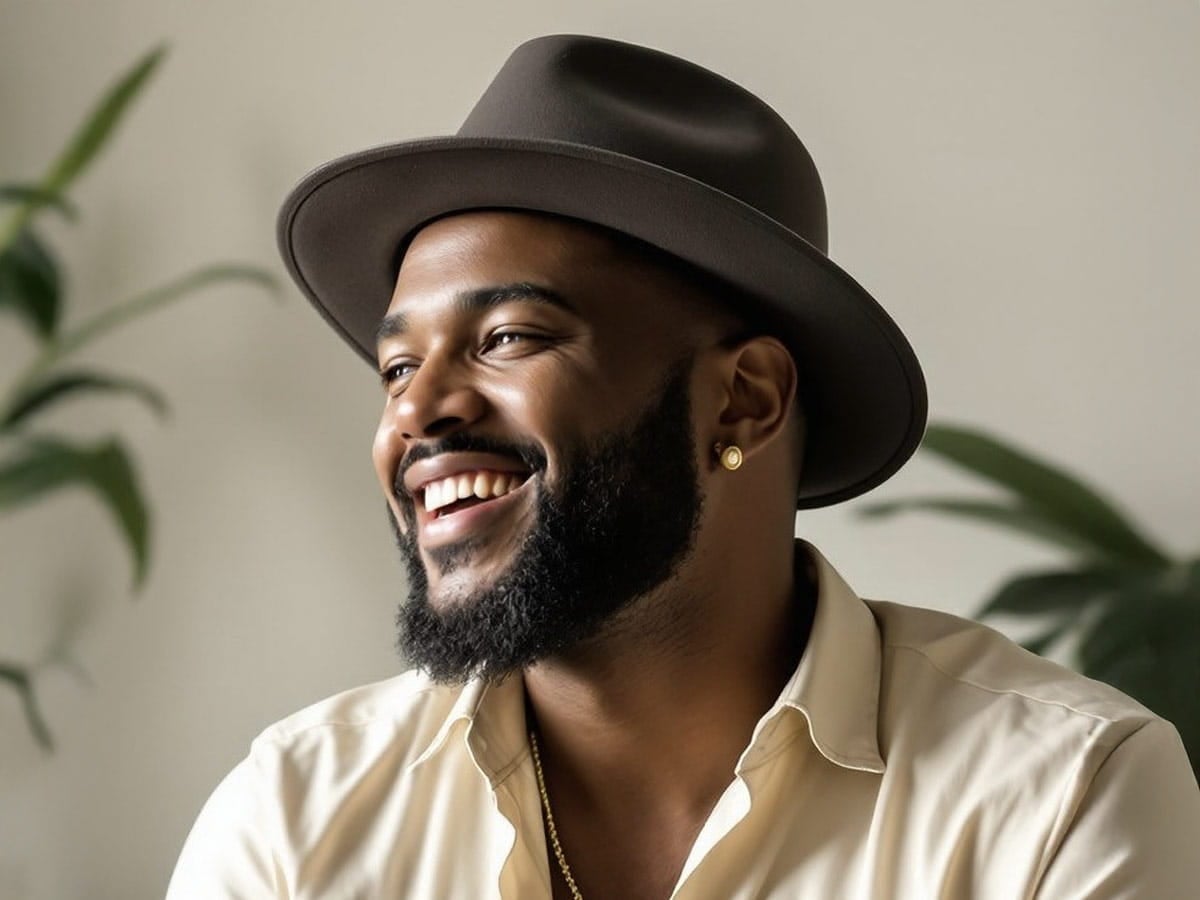
In her 25 years in the Christian music industry, Holly Zabka, president of Provident — a Sony subsidiary dedicated to Christian music — has never encountered a moment of such prominence for the genre.
"This is the most exciting time to be in Christian music," she says. "I don't think we've ever been in this season of opportunity."
Once largely confined to insular networks like Christian radio, contemporary Christian music (CCM) is now breaking into mainstream popularity. Last year, CCM had its biggest streams on Spotify, with a 60 percent growth rate globally over five years as artists reached beyond the confines of the Christian market. For the first time in 11 years, two CCM songs — Forrest Frank's "Your Way's Better" and Provident's Brandon Lake's "Hard Fought Hallelujah" featuring Jelly Roll — have been charting simultaneously for weeks on the Billboard Hot 100.
"This moment feels special because two Christian artists are each having a crossover mainstream moment at the same time," says Xander Zellner, a senior music data analyst at Billboard.
Aside from rap-Christian crossover songs (like Kanye West’s religious projects) and holiday tracks, fewer than a dozen CCM songs have crossed over to the Hot 100 since 2013, when Billboard revised its methodology to include streams and digital sales. This is only the second time since then that two CCM songs have concurrently charted, the first being in 2014 with Carrie Underwood’s “Something in the Water” and Craig Wayne Boyd’s rendition of “The Old Rugged Cross.” Unlike those tracks, Lake’s and Frank’s hits have stayed on the charts for months.
Lauren Daigle’s “You Say” reached No. 29 in 2018, but Zellner notes Lake and Frank’s concurrent success “is impressive and potentially signals a shift, especially considering how they've utilized social platforms and engaged younger audiences.”
Jaime Marconette, VP of Music Insights at Luminate, first noted CCM's rise last year, observing that “Christian music was following a similar storyline to country,” with a younger, streaming-driven audience replacing traditional radio and physical sales listeners. In Luminate’s 2024 mid-year , CCM was among the top four fastest-growing genres, following country music.
Marconette adds that Christian/gospel music has now overtaken world music, including K-pop and Afrobeats. “We’ve never seen that before,” he says, noting a rise in millennial and Gen Z listenership from 39 percent in 2021 to 45 percent today.
This generational shift has changed marketing strategies in CCM, with less priority on radio and more focus on streaming and social media. “What's different is that we're no longer waiting for listeners to come to us, we're going to them,” says Zabka.
CCM labels now take a streaming-first approach, releasing singles rapidly and using consumer data to guide decisions rather than traditional top-down strategies. “It used to be that Christian music felt like a lesser version of whatever was popular,” says Zabka, noting that artists like Lake are now “simply existing on the same level as all the other artists in the world.”
She adds that her team feels “a responsibility to grow the genre,” balancing commercial success with spiritual purpose by “pushing boundaries” while maintaining authenticity.
Christian music is also integrating naturally into mainstream channels, appearing on platforms like Instagram Reels and Spotify’s New Music Friday playlist. “Hopefully when people are going through their scroll, they’ll find a song that connects to them. That’s what our music does,” Zabka says.
The participatory nature of Christian music aligns well with social media marketing, with artists positioning themselves as co-creators with their audience. Lake, for example, debuted only the first verse and chorus of “Hard Fought Hallelujah” on tour, encouraging fans to upload clips, while engaging his 2.8 million Instagram followers daily.
Frank’s “Your Way’s Better” gained traction through a viral dance trend started by Christian TikTok influencers Bridgette Nicole and David Myers. “The industry tends to adapt things that are working well in the mainstream for its own evangelical purposes,” says writer and church musician Josh Langhoff, noting TikTok’s role in connecting and evangelizing among Christians.
Christian influencers like Joe Navarro (@JoeChristianGuy) also contribute, frequently collaborating with labels to boost CCM visibility on TikTok and Instagram Reels. Zabka notes Reels’ effectiveness, citing artist Seph Schlueter, whose song “Counting My Blessings” went viral in Brazil and later topped the Christian Airplay chart in the U.S. with support from Sony’s resources.
Artists are also engaging global audiences, with Frank posting in Portuguese for his Brazilian listeners and Lake posting in Spanish to connect with a wider demographic.
CCM’s growth among young listeners may be tied to its uplifting messaging. Zabka believes this generation, often struggling with depression, finds Christian music offers “greater meaning in what they're walking through.” Songs like Lake’s “Daddy’s DNA” and Daigle’s “Thank God I Do” reflect popular “depression anthem” styles but add messages of salvation and hope.
“Most songs make you depressed and get you in your feels,” says Navarro. “Christian music does the opposite.”
This article originally appeared on NPR.org.