
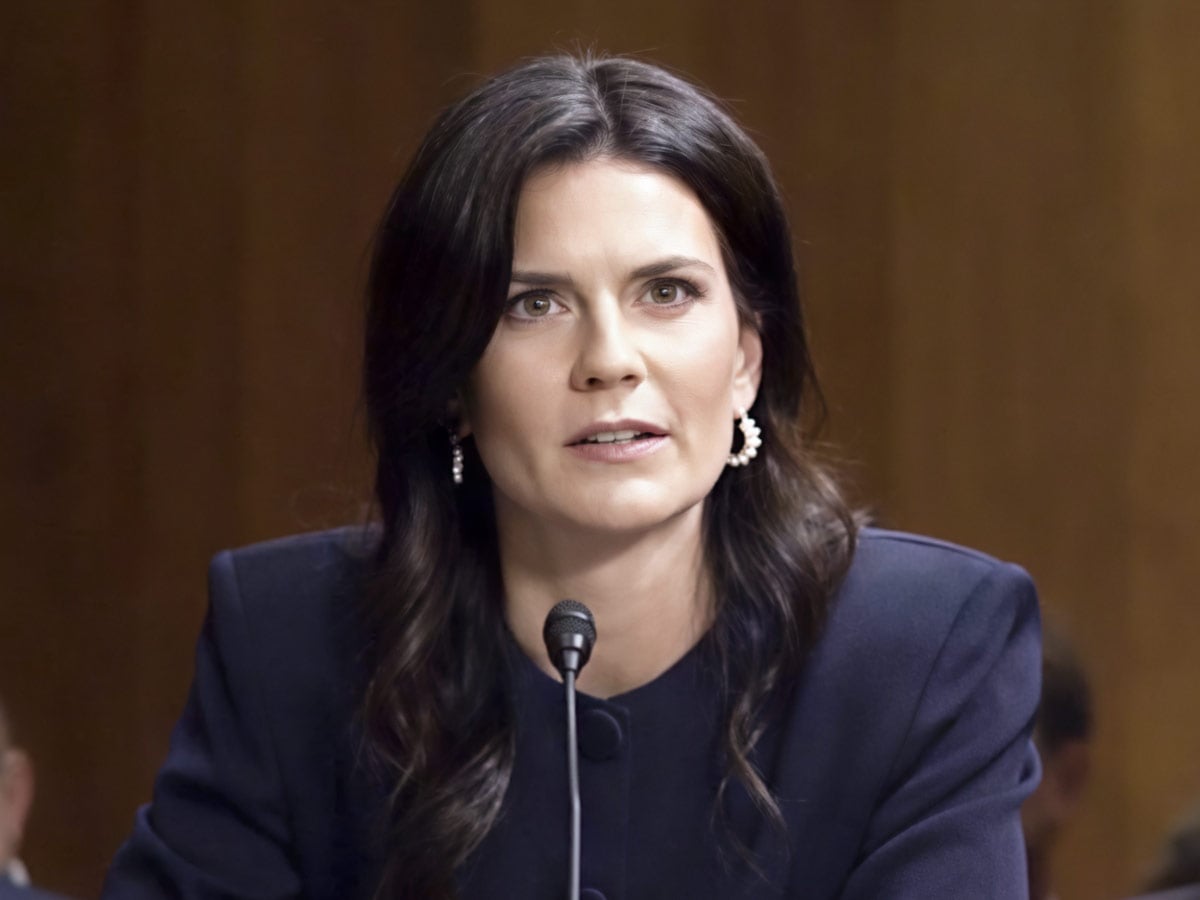
Cissie Graham Lynch, the granddaughter of Billy Graham, faced pointed questions during a Senate confirmation hearing for the position of U.S. ambassador-at-large for international religious freedom. Senators pressed her on her Christian beliefs about marriage and sexuality, and how those views would affect her approach to protecting people facing persecution around the world, including members of the LGBT community.
Virginia Democratic Sen. Tim Kaine pressed Lynch on whether her traditional Christian views would interfere with her responsibility to protect people facing persecution around the world, especially members of the LGBT community.
Kaine pointed to countries where homosexuality is criminalized and asked Lynch how she would work to protect LGBTQ individuals from persecution if confirmed.
Lynch, who believes marriage is a lifelong union between one man and one woman, said her personal religious convictions would not prevent her from defending others’ rights.
She emphasized that she would have a “responsibility to protect people of all faiths” and said she does not believe “anyone should ever be criminalized or persecuted for their personal beliefs.”
The exchange became more intense when Kaine questioned Lynch about a 2021 opinion article she wrote criticizing the Equality Act, proposed federal legislation that would expand protections against discrimination based on sexual orientation and gender identity.
In that article, Lynch argued that the legislation could threaten religious liberty by forcing Christian organizations and business owners to act against their deeply held beliefs, which she said would have real consequences for them.
At the hearing, she pointed to Colorado baker Jack Phillips, who became the center of a national religious freedom debate after declining to create a custom wedding cake for a same-sex couple.
Lynch argued that Phillips’ legal battles illustrate the challenges faced by Christians who seek to operate their businesses according to their religious convictions. She also noted that Phillips has served LGBT customers while declining certain custom orders based on their messages or purposes.
Despite their differences, Lynch insisted that disagreement over marriage and sexuality should not automatically be considered hatred, and said the issue affects how people view one another.
“I’ve talked about on my platform many issues that are divisive in our culture,” she told senators, adding that society increasingly teaches people that holding different beliefs means they cannot get along.
Lynch stressed that she has always tried to approach difficult conversations “with kindness” and “with respect.”
Later, when asked about laws in countries such as Uganda that criminalize same-sex relationships, Lynch made her position clear.
She said she “would never be able to support something” that criminalizes individuals because of their sexual identity or sexual preference.
The granddaughter of Billy Graham also drew attention to the broader crisis of religious persecution, pointing to people imprisoned, threatened and killed because of their beliefs, a problem she said her work would have to confront.
“People are dying. People are being persecuted. People are put into jail,” she said, highlighting the existence of blasphemy laws in dozens of countries.
Lynch, who has worked alongside her father, Franklin Graham, through the Christian humanitarian organization Samaritan’s Purse, said her experience serving people from different religious and cultural backgrounds has taught her the importance of finding common ground.
“I’ve learned that through my years of working when I work in the countries with people I often don’t have the same beliefs, but we come together,” she explained.
Lynch’s nomination must first advance through the Senate Foreign Relations Committee before receiving a vote in the full Senate.
 Read Previous Post