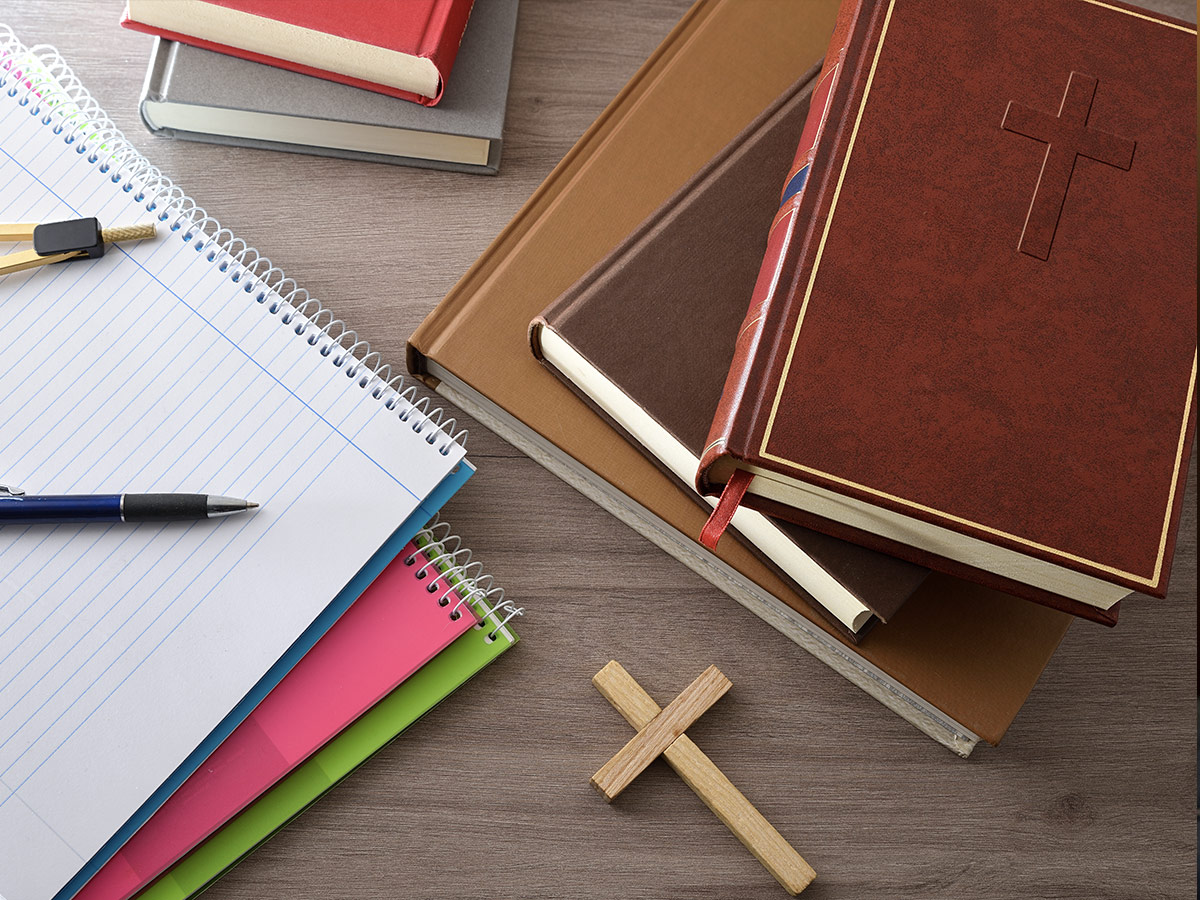
The Texas State Board of Education has given its preliminary approval to a public school required reading list that includes passages from the Bible. The list would take effect in 2030, with a 9-5 vote moving the list forward. All five votes against came from the Board’s five Democrats. The list could see more revisions before its final approval in June. The Texas Education Agency (TEA) designed the list, which originally included 300 books. The list was criticized for its perceived lack of diversity and inclusion of Biblical texts, including The Road to Damascus, where the persecutor of Christians Saul meets Jesus on the way to Damascus and becomes the great Apostle Paul and the Parable of the Prodigal Son. The Prodigal Son is a parable told by Jesus where a wayward son takes his inheritance and squanders it, only to be met with grace and love when the repentant young man returns to his father. The Old Testament Book of Job is also included alongside titles like Cat in the Hat and The Outsiders.
Around 100 books were eventually removed from the list, including Frederick Douglass’s “What to the Slave Is the Fourth of July?” The new list was proposed by Republican member Keven Ellis, who stated the Agency looked at many other state reading lists for examples. “There are other states, many other states, who have recommended reading lists. To my knowledge, there is not one that will have a required reading list as robust as this, that will be common for every student across the state,” he said. Educators, however, have pushed back, saying the current list would be “mathematically impossible” to teach during a typical 36-week school year. “I believe that an acceptable list would be one that’s created with teacher expertise, leaning on the strengths of everyone involved in this work. There’s still time. There’s no prize for making this decision quickly. We have time to build something great for our Texas students, and they deserve it,” said Markesha Tisby, president of Texas Council of Teachers of English Language Arts.
The reading list has received pushback of another kind for its inclusion of Biblical passages. Supporters insist that the passages will give greater context to Christianity’s impact on the United States. Critics, however, insist it violates the separation of church and state. Shannon Trejo, TEA’s deputy commissioner of school programs, previously said such religious texts were to be used as companion texts with other works. “A lot of great teachers will pick a novel, and then pick a companion text or text sets that support kids engaging in that novel,” said Trejo. “You can’t read Animal Farm and not know about the Bolshevik Revolution or the Russian Revolution. If you don’t have that background, it really does make the book harder to understand and engage with.”
 Read Previous Post