
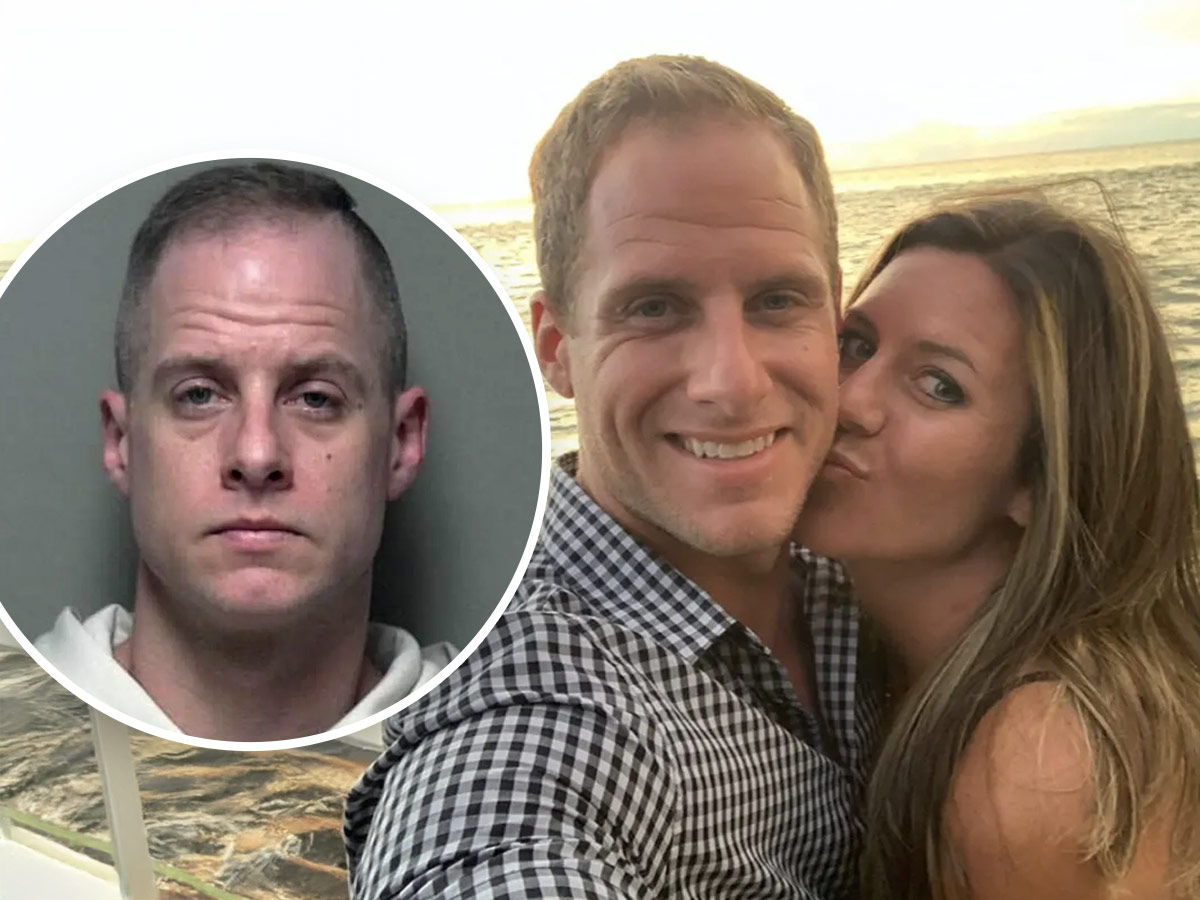
A shocking homicide case involving a former worship leader and “American Idol” alum has left an Ohio community grieving and wrestling with painful questions after authorities charged 39-year-old Caleb Flynn with the murder of his wife, Ashley Flynn, inside their family home while their two young daughters slept nearby.
Flynn was arrested on Thursday and booked into the Miami County Jail, where he faces one count of murder along with multiple counts of felonious assault and tampering with evidence. He entered a not-guilty plea at his arraignment on Friday, and a judge set his bond at $2 million. The case stems from a chilling early-morning 911 call Monday in which Flynn reported that an intruder had broken into the couple’s Tipp City residence—located about 20 miles north of Dayton—and shot his wife in the head.
“Oh my God, somebody broke into my home,” Flynn told the dispatcher, according to emergency logs cited in local reports. He described blood “everywhere” and said his children were asleep in their bedrooms as first responders rushed to the scene. Authorities later confirmed that only Flynn, his wife, and their two daughters were inside the home at the time of the shooting and that the children were unharmed.
As investigators processed the scene, however, their initial findings raised concerns about the break-in narrative. Police reported signs of forced entry, but later indicated that portions of the scene appeared staged. Officials also described the incident as targeted rather than random. After reviewing evidence gathered during the investigation, Tipp City Police Chief Greg Adkins said detectives had established probable cause to charge Flynn with his wife’s death.
“The family and community deserve a thorough, professional and compassionate investigation into this very sensitive matter,” Adkins said in a statement. He noted that the case remains active and that additional details will not be released publicly while investigators continue collecting and reviewing evidence ahead of Flynn’s preliminary hearing.
Ashley Flynn, described by local outlets as a devoted mother, substitute teacher, and middle school volleyball coach, was remembered as an engaged member of her community. Her death has reverberated through local schools, churches, and neighborhoods where the family was known.
Caleb Flynn once served in church ministry as a worship pastor and gained national attention in 2013 when he appeared on season 12 of “American Idol,” earning a golden ticket to advance in the competition. Public records indicate he later transitioned into commercial flooring sales, including projects for church and worship spaces. During a recent court appearance conducted by video, Flynn told the judge, “I just want to take care of my daughters. I’m not a risk.” His attorney has argued that prosecutors moved too quickly and questioned the strength of the case against him.
The allegations have deeply unsettled many believers who struggle to reconcile Flynn’s past role in leading worship with the violent charges he now faces. Christian leaders often note that ministry positions do not immunize individuals from personal struggles or sin, and tragedies involving faith leaders can test both congregations and communities of faith. In situations like this, pastors and counselors frequently urge prayer for all affected—especially children and extended family members navigating trauma and loss.
Authorities say the investigation remains ongoing as forensic analysis and witness interviews continue. A preliminary hearing is scheduled for Thursday, when prosecutors are expected to present additional evidence in support of the charges. For now, a grieving community is left mourning Ashley Flynn’s death and seeking answers in a case that has shaken trust and hearts alike.
If convicted, Flynn faces the possibility of life in prison. Meanwhile, churches and neighbors in Tipp City have begun offering support to those closest to the family, underscoring the painful reality that even within faith communities, devastating violence can erupt—and healing may take years.
 Read Previous Post