
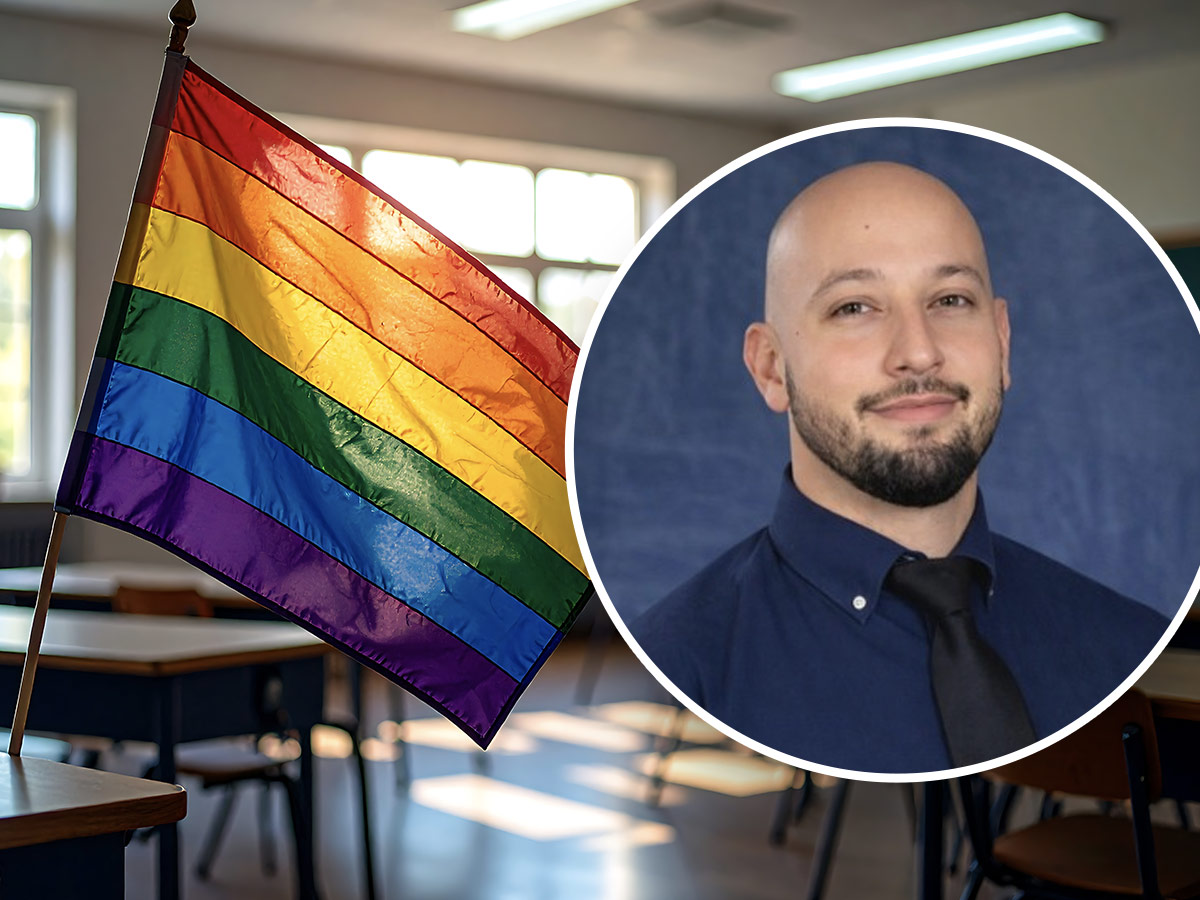
A Nashville elementary school teacher says he was threatened with termination and removed from his classroom after declining, on religious grounds, to read a children’s book about same-sex marriage to his first-grade students — a dispute now drawing national attention and potential legal action.
According to the religious liberty legal group First Liberty Institute, Eric Rivera, a Christian who taught first grade at KIPP Antioch College Prep Elementary, discovered earlier this year that a book themed around same-sex marriage was included in the language arts curriculum he was expected to teach. Rivera said he could not, in good conscience, read the book aloud to his young students because it conflicted with his faith.
On Jan. 6, the day the book was scheduled to be read in class, Rivera arranged for another teacher to read it to his students while he remained present, First Liberty said. The following day, he was called into the principal’s office and issued what the group described as a “Final Warning” letter accusing him of failing to teach the curriculum “with fidelity” and cautioning that further discipline — including termination — could follow.
The letter, according to First Liberty, was placed in Rivera’s personnel file despite his previously clean record and lack of any disciplinary history. Rivera then requested a religious accommodation that would allow him to continue teaching first grade while another teacher handled the specific books he found objectionable. Instead, he was reassigned first to a lab and technology role and later to a kindergarten position, the legal group said.
First Liberty sent a formal demand letter to school leadership this week alleging that KIPP Nashville Public Schools violated Rivera’s rights under both the First Amendment and Title VII of the Civil Rights Act, which protects employees from religious discrimination. The letter claims Rivera identified two books in the curriculum that conflicted with his beliefs and proposed a compromise — allowing another teacher to read them — that would have enabled him to continue teaching the rest of the unit.
“However, the principal indicated that the belief in same-sex marriage is so fundamental to the language arts unit that Mr. Rivera could not possibly be permitted to teach any portion of the unit, and therefore had to be removed from the first-grade classroom,” the demand letter states.
The legal group also questioned whether the school complied with Tennessee requirements that parents be notified and allowed to review instructional materials related to sexual orientation or gender identity. The books Rivera objected to are categorized as LGBTQ+ titles and have appeared on the American Library Association’s Rainbow Book List, according to the letter.
“Both of the books to which Mr. Rivera objected require parental notification under Tennessee law, and to our knowledge, none was given,” First Liberty wrote, urging the school to review its practices and ensure compliance with state and federal requirements.
The demand letter asks the school to remove the warning from Rivera’s file, stop what it calls religious discrimination, and commit to accommodating employees who object to certain materials on faith grounds. It also requests preservation of curriculum documents and communications “in anticipation of litigation.”
Cliff Martin, senior counsel for First Liberty, said the case raises fundamental questions about religious freedom in public education.
“It is outrageous to send the message: ‘Believe as we do or be terminated,'” Martin said. “Teachers don’t forfeit their religion or religious beliefs when they enter the classroom, nor can they be forced to believe what their employers prefer.”
School officials had not publicly responded to the allegations as of publication. The claims remain disputed, and no lawsuit has yet been filed.
For many Christians watching the case, the dispute highlights the tension educators of faith say they increasingly face when classroom expectations conflict with personal convictions. Supporters of Rivera argue that his request — allowing another teacher to read the books while he continued teaching — represented a reasonable accommodation that preserved both curriculum goals and religious conscience.
As the situation unfolds, legal experts say it could become another test of how schools balance inclusive curricula with teachers’ religious rights — a debate that continues to shape education policy and religious liberty law across the country.
UPDATE: Since this article was originally published, the dispute has been resolved, with the school agreeing to clear Rivera’s record and to provide a religious accommodation moving forward. After intervention from First Liberty Institute, KIPP Antioch College Prep Elementary reportedly removed the disciplinary warning from his file and agreed to allow teachers to request that another staff member present material that conflicts with their faith. “We are pleased that the school has made the right decision by accommodating Mr. Rivera for his deeply held religious views,” said Senior Counsel Cliff Martin. Rivera, who had faced reassignment and possible termination, is now able to continue teaching with his religious convictions respected — a resolution his legal team says reinforces protections for people of faith in the workplace.
 Read Previous Post