

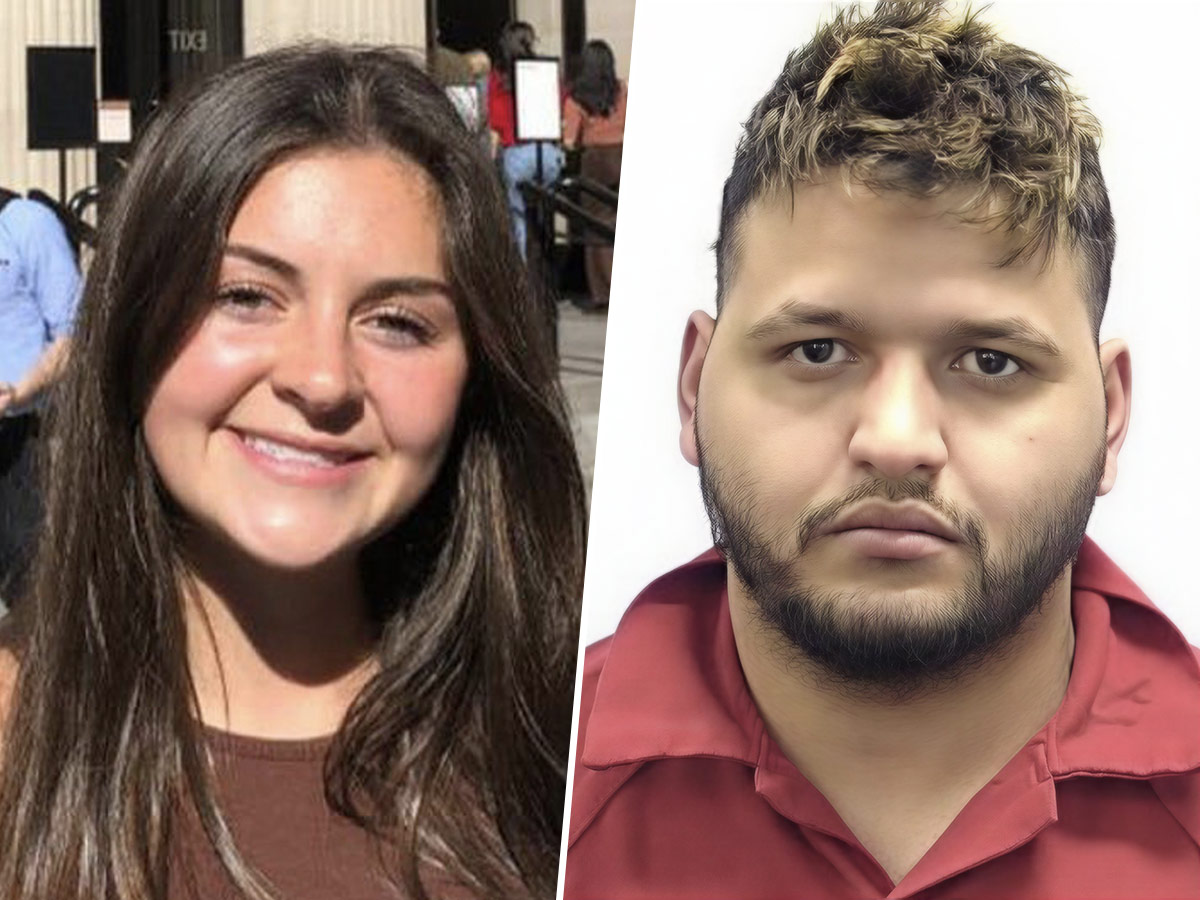
A judge declined to rule after hearing a motion requesting a new trial for Jose Ibarra, the Venezuelan national convicted of killing 22-year-old nursing student, Laken Riley. Ibarra entered the United States illegally in 2022. On February 22, 2024, he allegedly came upon Riley, a student at Augusta University College of Nursing, while she was on a run through the University of Georgia campus in Athens, GA. It is believed Ibarra attempted to assault her while Riley struggled for her life and was ultimately killed. She attempted to call 911 during her attack. Her body was discovered soon after with “visible injuries” after worried friends and family notified authorities of attempts to contact her. The cause of death was blunt force trauma to the head.
Ibarra was arrested the next day and charged with malice murder, felony murder, aggravated battery, aggravated assault, false imprisonment, kidnapping, hindering a 911 call and concealing the death of another. In November, he waved his right to a trial by jury and was found guilty of all charges by Judge Patrick Haggard. He was sentenced to life in prison without the possibility of parole.
The tragedy became a major focus of Donald Trump’s presidential campaign. Ibarra had been arrested by Border Patrol agents in 2022 for illegally entering the country but was permitted to stay. He remained in New York City until coming to Athens in September 2023. He continued to have run ins with the police, including being arrested in NYC in 2023 for driving a scooter without a license and having a child riding without a helmet. He was then again arrested in Athens for shoplifting. His run-ins with law authorities were presented as miscarriages of justice by Trump and immigration enforcement supporters, who suggested Riley’s death could have been prevented had Ibarra been deported. President Trump’s first bill during his second term was the Laken Riley Act, which requires federal officials to detain any immigrants who entered the country undocumented if they are accused of theft or violent crimes.
Judge Haggard was the judge to hear Ibarra’s motion for a new trial. He pushed back at claims from Ibarra’s attorney’s that he had not been competent to stand trial, noting he had been found competent before the original trial. Haggard has ordered both sides to submit supplementary briefs and responses regarding their reasoning for or against a new trial by Monday, March 2.