President Donald Trump marked the first anniversary of his return to the White House with a moment that quickly touched off both applause and criticism — not for foreign policy or inflation numbers, but for a theological claim about how God views his leadership.
During a briefing, a reporter reminded the president of comments he made shortly after winning the 2024 election, in which he suggested God had spared his life for a purpose. “Last year, you told me that you believed that the reason you won the election is because God put you in this place so that you could save the world,” the reporter said. “Looking back after one year, do you feel like God is proud of the effort that you’ve given?”
The question referred to Trump’s second inaugural address, where he reflected on the assassination attempt in Pennsylvania that narrowly missed him. “I was saved by God to make America great again,” he told the nation at the time.
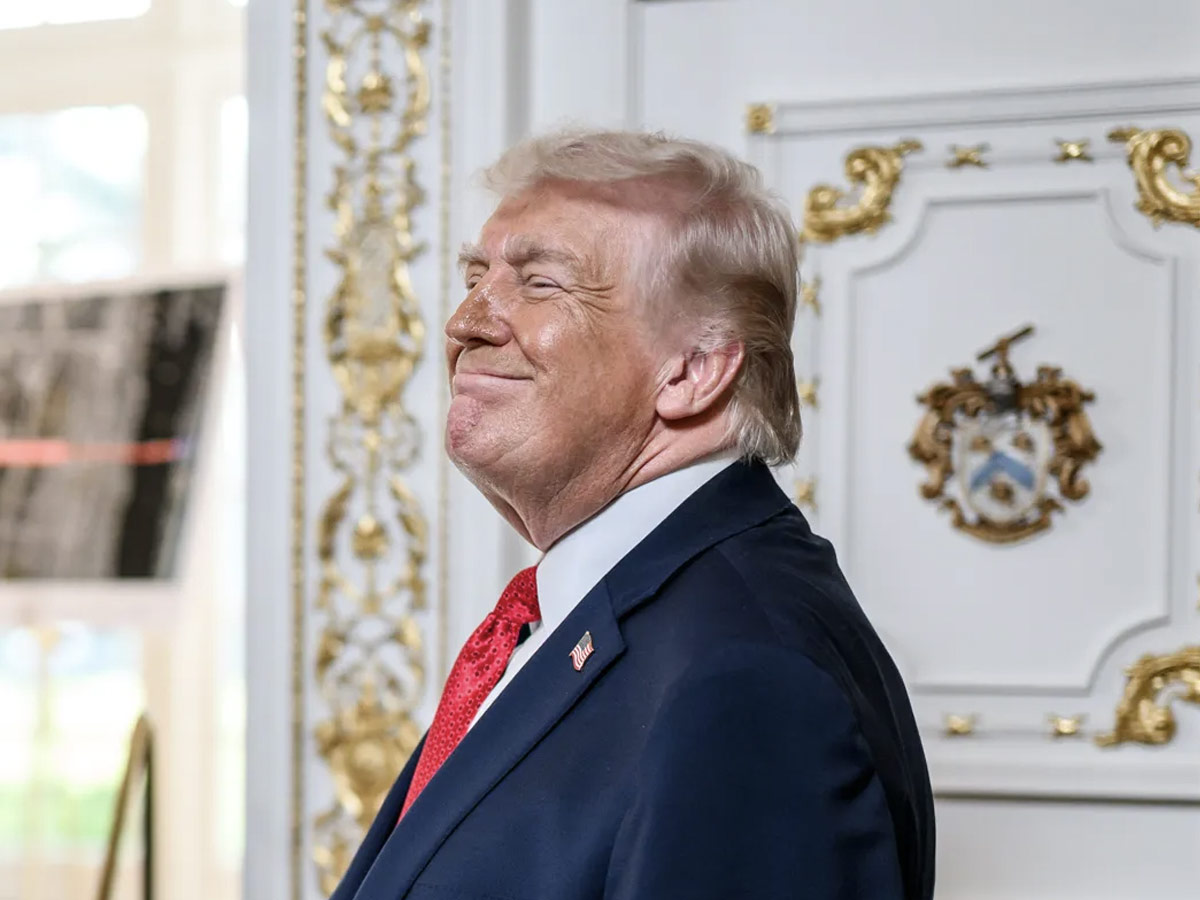
Trump didn’t retreat from the premise — in fact, he embraced it. With a chuckle, he replied, “I do actually. I think God is very proud of the job I’ve done.” He went on to cite efforts to protect religious liberty and the rights of faith communities. “We’re protecting a lot of people that are being killed. Christians, Jewish people, and lots of people are being protected by me that wouldn’t be protected…”
Whether God shares that sentiment, of course, is a matter believers will debate. Within 24 hours, the Interfaith Alliance issued a statement accusing the president of “attacks on faith communities and abuse of religion.” Reverend Paul Brandeis Raushenbush, the group’s president, argued, “This White House uses faith for power,” accusing Trump of operating from a “Christian nationalist playbook.”
The phrase “Christian nationalism” has become the left’s catch-all framing for conservative Christians who see faith and patriotism as compatible rather than competitive. Hillsdale College’s Wilfred McClay has offered a helpful distinction, noting that patriotism in the American story involves shared ideals, memory, sacrifice, and culture — not blind nationalism or idolatry.
But the Interfaith Alliance went further, concluding that “the most pressing threat to religious liberty in our country today is the Trump administration itself.” That claim clashes sharply with how many Christians assess Trump’s tenure. The White House recently circulated a document titled “Top 100 Victories for People of Faith,” outlining policy moves that include the creation of a White House Faith Office, faith liaisons within federal agencies, a Religious Liberty Commission, and a Task Force to Eradicate Anti-Christian Bias.
Additional measures included Justice Department support for religious charter schools, conscience protections for health care workers, the restoration of chaplains’ free speech rights, and the removal of restrictions that blocked faith-based groups from disaster relief aid. Trump also signed executive orders aimed at ending federal censorship, protecting free speech, and combating the financial “debanking” of individuals based on their religion or political affiliation.
For Christians, the apostle Paul’s words still apply in politically charged times: “Pray… for kings and all those in authority” (1 Tim. 2:1-2). Regardless of one’s partisan loyalties, followers of Christ are called not to scorn leaders but to petition heaven on their behalf — including President Trump.
 Read Previous Post