
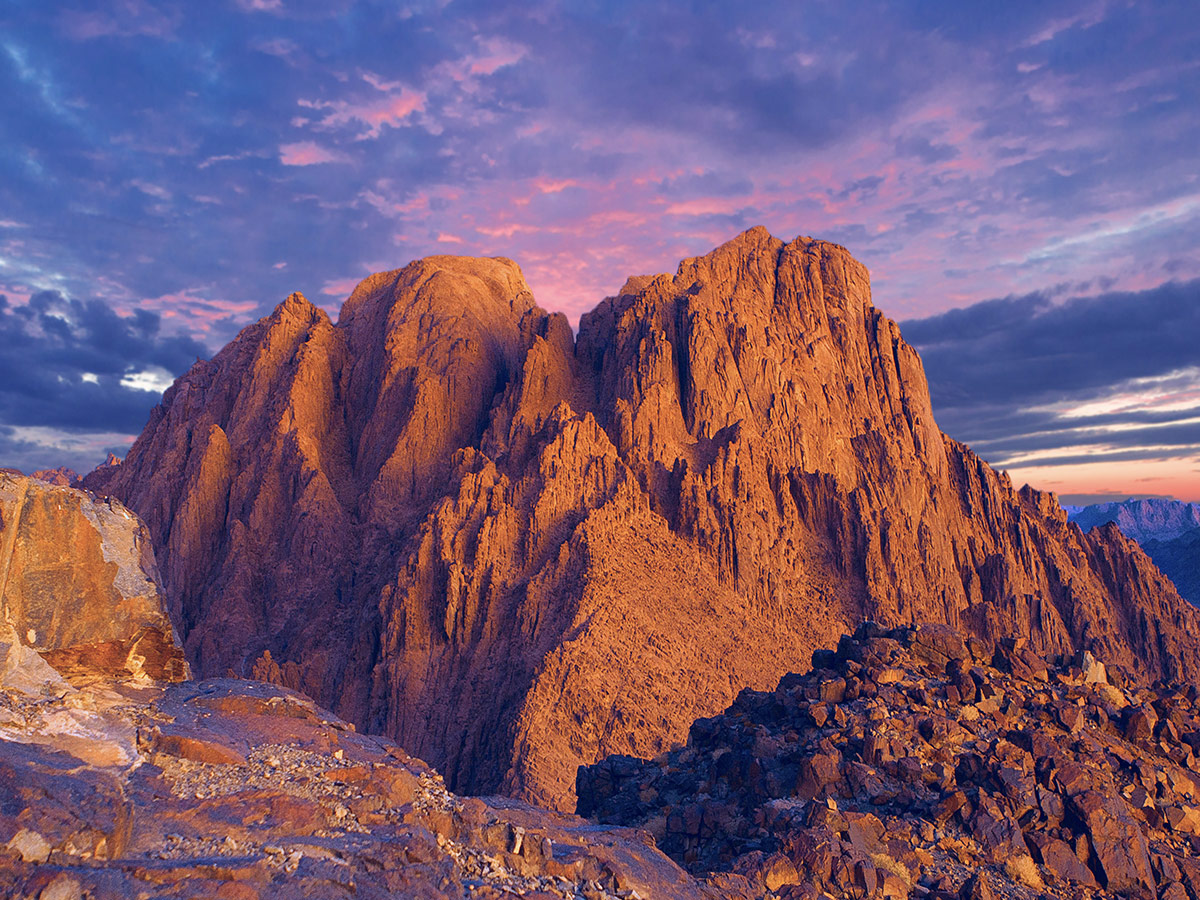
Mount Sinai, the mountain where scripture says God gave Moses the Ten Commandments, is at the center of growing controversy as Egypt moves forward with plans to build a mega resort on the sacred site.
The resort is part of Egypt’s “Great Transfiguration Project,” which envisions luxury hotels, shopping centers, and villas around the holy mountain, according to a BBC report. The Egyptian State Information Service claims the project aims to transform the region into a “spiritual shrine and a destination for mountain, medical, and environmental tourism.”
But for many religious leaders and local communities, the project threatens to desecrate one of the most revered places in the world.
A Holy Mountain For Three Faiths
Mount Sinai, also known as Mount Horeb, is sacred to Jews, Christians, and Muslims. It is where Moses is believed to have received the tablets of the law from God, making it central to the history of faith for millions around the globe.
At its base lies the Monastery of St. Catherine, one of the oldest working Christian monasteries in the world and a UNESCO World Heritage Site. The monastery is part of the Greek Orthodox tradition and has stood as a spiritual landmark for centuries.
Archbishop Ieronymos II of Athens, the head of the Church of Greece, has been one of the strongest voices of opposition. “The monastery’s property is being seized and expropriated. This spiritual beacon of Orthodoxy and Hellenism is now facing an existential threat,” he warned in a statement reported by the Orthodox Times.
Local Communities Displaced
Opposition is not limited to church leaders. Members of the Jebeleya tribe, long known as the Guardians of St. Catherine’s Monastery, say the project has already come at great cost to them. The BBC reported that eco-camps and homes belonging to the tribe were demolished, with residents receiving little or no compensation.
Ben Hoffler, a British travel writer who works closely with the Sinai tribes, criticized the development. “This is not development as the Jebeleya see it or asked for it, but how it looks when imposed top-down to serve the interests of outsiders over those of the local community,” he said.
He added, “It’s a world they have always chosen to remain detached from, to whose construction they did not consent, and one that will change their place in their homeland forever.”
Tourism Versus Tradition
Egypt has seen a sharp rise in tourism, welcoming nearly 16 million visitors in 2024—a million more than the year before. The government believes the project will further boost economic growth.
However, critics argue that economic gain should not come at the expense of spiritual heritage. For Christians, Jews, and Muslims alike, Mount Sinai is not simply a tourist destination but a holy site where God’s presence was revealed.
 Read Previous Post