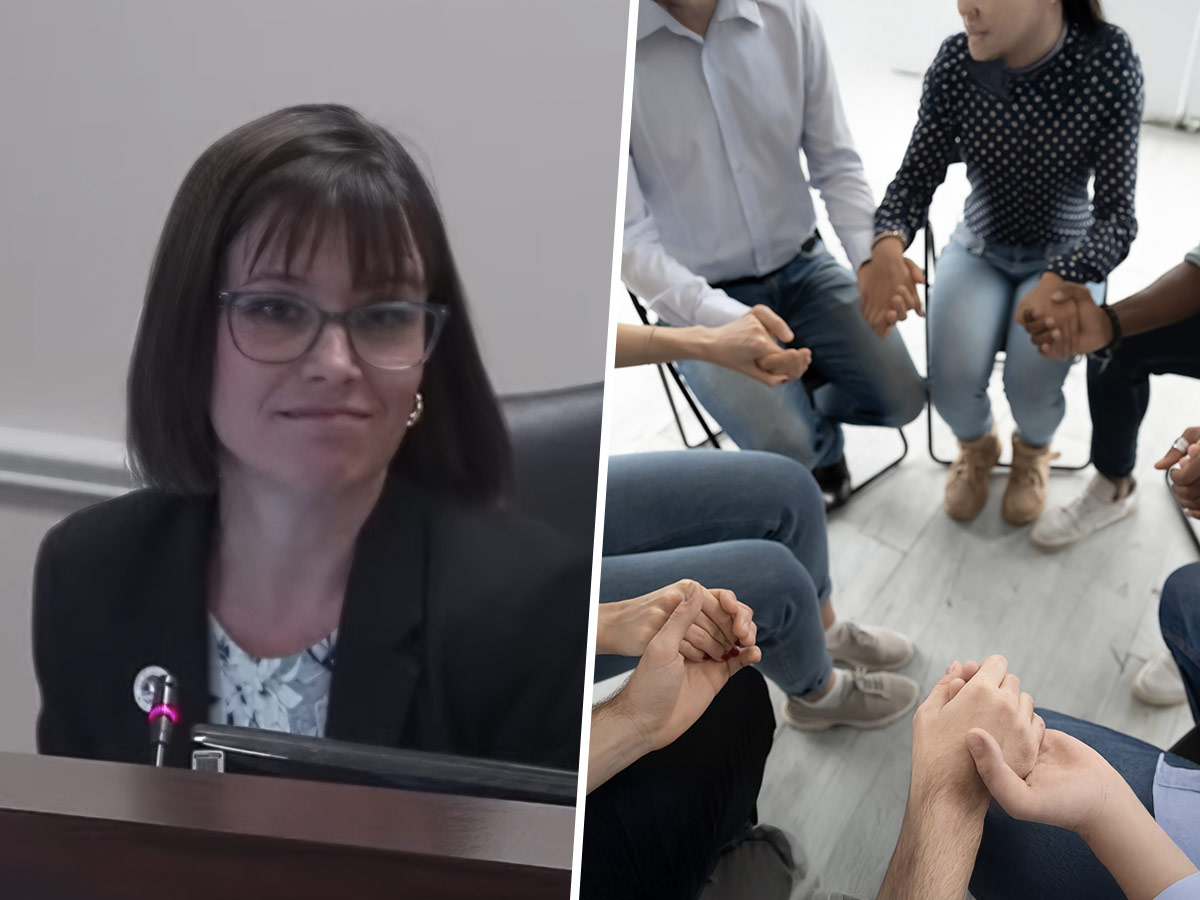
A recent school board meeting in Cabarrus County, North Carolina, ignited passionate debate after a Christian board member proposed opening meetings with a prayer — a suggestion that drew sharp criticism from a fellow board member who questioned the place of faith in public education.
On April 14, Melanie Freeman, a newly elected member of the Cabarrus County Board of Education, introduced a motion asking the board to consider implementing an invocation before each meeting. Freeman, who ran her campaign openly as a Christian, cited the long-standing American tradition of public prayer in government settings and emphasized that the policy would allow participation from all faiths.
“I believe an invocation is a time-honored tradition of our country,” Freeman said. “This is about setting the tone with humility and seeking wisdom — not pushing one belief on anyone.”
But her proposal quickly sparked a fiery backlash from board member Pamela Escobar, who forcefully denounced the idea.
“This is exclusionary,” Escobar said during her remarks. “If you put prayer at the beginning of this meeting, I don’t think that’s a welcoming sign to the people who are in this room tonight.”
Escobar argued that adding a formal prayer to the meeting agenda would alienate some community members and divert attention from the district’s educational responsibilities. She expressed concern about mixing faith and public governance, saying, “We are not in the business of faith and religion. That’s not what we do. We teach. We empower. We inspire.”
In an especially pointed moment, Escobar asked, “How much prayer do you need? How much God do you need?” The rhetorical question drew reactions from those in attendance and quickly made headlines on social media.
Freeman clarified that her proposal wasn’t about pushing evangelical beliefs but about allowing space for spiritual reflection and inclusivity. “This isn’t just Christian prayer,” she said. “It could be anyone — a rabbi, an imam, a priest. This is about offering a moment to ground ourselves before we do the important work of serving children.”
Escobar remained unconvinced, warning the board that adopting such a policy could result in lawsuits over the separation of church and state. “If you do this, be prepared to be sued. People have the right to religious freedom — and that includes freedom from religion in government spaces.”
Despite the passionate opposition, the board voted 5-2 in favor of having the policy committee draft a formal policy for opening meetings with prayer. The proposed policy will be reviewed by the board and open to public comment before a final decision is made.
According to the board’s attorney, the policy will likely involve inviting outside clergy from diverse faith backgrounds to offer the invocations, which could help mitigate legal risks.
For Freeman, the vote was a step forward for faith in public life. “Prayer doesn’t harm,” she said after the meeting. “It helps us remember who we are, why we’re here, and the greater responsibility we have — not just to students, but to truth and grace.”
The controversy underscores ongoing national debates over religious expression in public institutions — and how communities define inclusivity in a pluralistic society.
Have you seen similar issues arise in your community? Share your thoughts in the comments and keep the conversation grounded in grace.
 Read Previous Post