

A new survey is showing that evangelicals have concerns after the first 100 days of President Trump’s administration. The survey, sponsored by the National Latino Evangelical Coalition (NaLEC) polled 1,000 likely US Christian voters from April 8 to April 15, asking about their views on the administration’s moves on immigration, foreign aid, and social safety net programs. The poll was balanced for denomination, age, race, party affiliation, and income and maintained a margin of error of ± three.
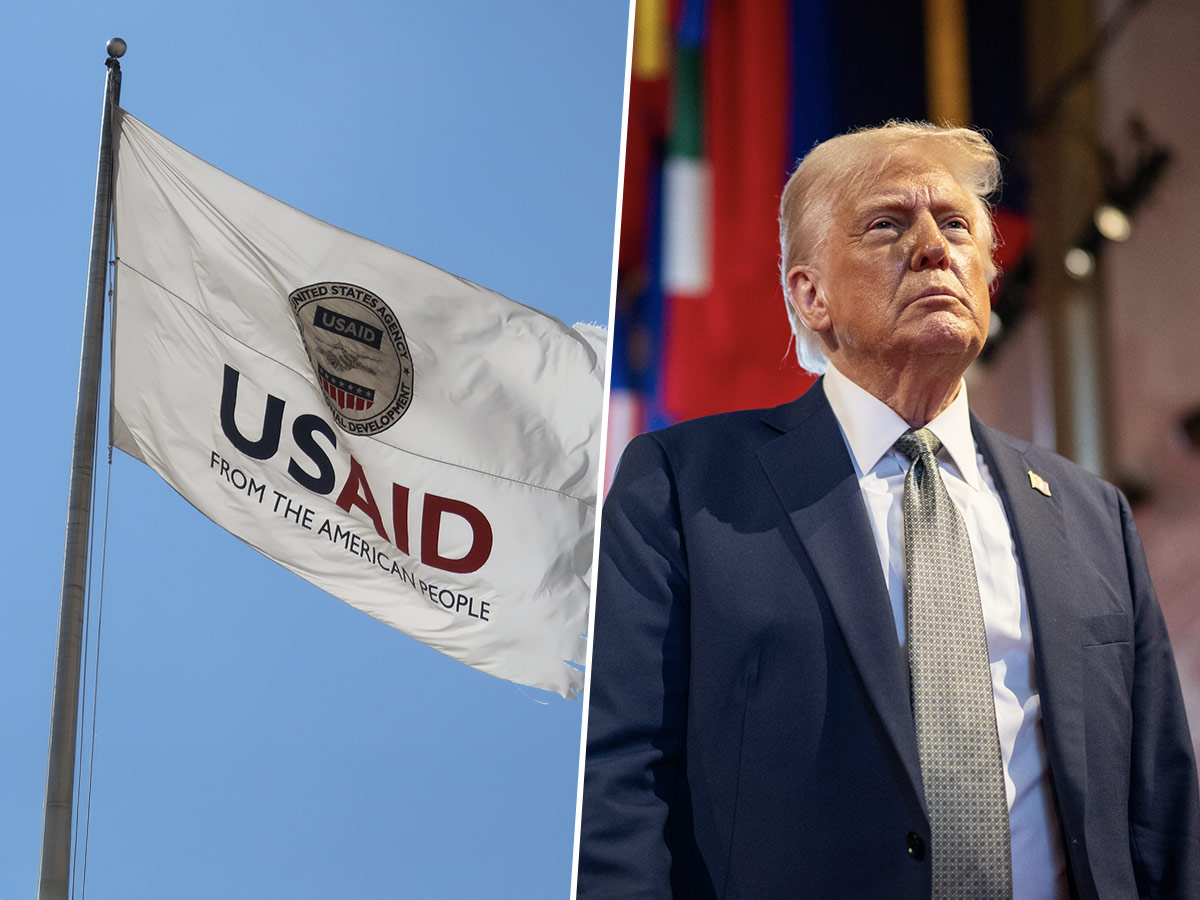
The survey found that 76 percent of Evangelical Christians opposed cuts to foreign aid. Those opposed worried that cuts could lead to greater Christian persecution abroad or that preventable deaths would increase. Christian persecution has been on the rise worldwide according to Open Doors. Cuts to USAID have been the most publicized reductions during the administration, with Trump and his allies asserting USAID is wrought with fraud and “ridiculous — and, in many cases, malicious — pet projects of entrenched bureaucrats, with next-to-no oversight.” Critics of the cuts, however, have asserted that USAID provides necessary services to impoverished people across the globe. The state department has proposed a 92 percent cut to foreign assistance related grants, an estimated $60 billion in savings.
Immigration proved to be another area of concern, with 65 percent of all Christians supporting a path to citizenship for undocumented immigrants while 61 percent of Evangelicals support it. Most supported deporting undocumented criminals but two thirds were concerned over current stories of wrongful deportations and asylum freezes. The deportation of Kilmar Abrego Garcia to El Salvador has been the most polarizing event. Garcia came to the US illegally at the age of 16, but his supporters state he has no criminal record. The State Department, however, has made claims that Garcia is a member of the gang MS-13.
In addition to immigration and foreign aid, Evangelicals expressed concerns over the Trump administration’s plans with programs like Medicaid. Seventy-two percent were concerned about cuts to Medicaid, while 71 percent of all Christians were concerned about proposed cuts to the to the Supplemental Nutrition Assistance Program (SNAP), which is meant to offer food assistance to low-income families and individuals. Seventy-five percent of evangelicals did approve of the Child Tax Credit.
Overall, only 55 percent of evangelicals felt the first 100 days reflected Christian values. This figure is telling, said NaLEC president Reverend Gabriel Salguero. “This survey makes one thing clear: a significant number of Christian voters—especially evangelicals—are not seeing their priorities or principles represented in this administration’s first 100 days,” he said. “Evangelicals are not a monolith, and when we see policies that fail to uphold Christian values like caring for the poor, welcoming the stranger, and protecting the vulnerable, we are called to speak out.”