
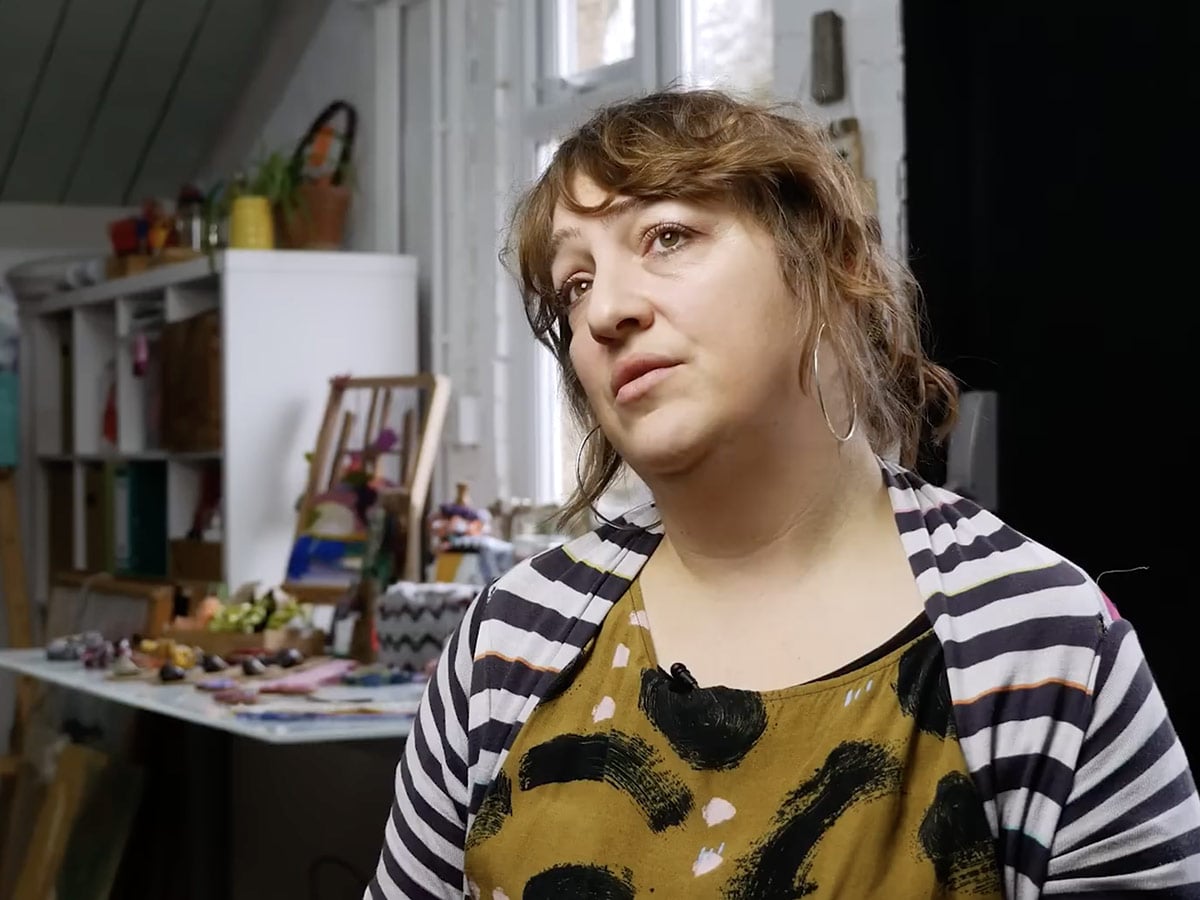
Watford Borough Council has reached a settlement with a Christian artist who was banned from her own art exhibition after privately expressing her opinions about gender transitions. Victoria Culf is an English artist who was planning an independently funded art exhibition of her work in June 2023 at the Watford Museum. While preparing for the exhibition, Culf had a conversation with a member of the Council in the museum’s break room. When the council member informed Culf she had a child that was undergoing a social gender transition, Culf shared her Christian belief that such transitions were harmful. Culf believed at the time that the conversation ended amicably, however, the council member later went on social media and accused Culf of going on a “transphobic rant.”
Consequently, the Council banned Culf from her exhibition viewing while she underwent an investigation for a hate crime. Culf was later cleared of any wrongdoing within 48 hours, however she was led on by the council to believe that she was still being investigated and could be arrested at any time. The incident also had a “lasting negative impact” in her professional life according to a statement by Culf. Her exhibition artwork was broken and her contract with BEEE Creative, a community art project she had been a part of, was terminated due to the incident.
Culf’s 2024 lawsuit against the Council accused the council of breach of contract, discrimination, harassment, and defamation. The Christian Legal Centre (CLC) represented Culf in her suit. On June 19, CLC announced it had reached a settlement with the council, which included a formal apology. “Watford Borough Council is pleased to have reached an amicable settlement regarding the legal claims brought by Mrs Culf. The Council now wishes to make it clear that it has no animosity towards Mrs Culf and would work with her in the future as a community artist,” said the council in a statement.
Culf and her legal team lauded the settlement. “After a very difficult three years, I am pleased finally to draw a line under this unfortunate dispute – which, in a healthier society, should not have happened in the first place,” said Culf, noting that children struggling with gender dysphoria “deserves compassion, support, and above all protection from being rushed along the dangerous path of ‘transitioning’ towards irreversible medical interventions.” CLC insisted that Culf should never have experienced the exclusion in the first place. “[Culf’s] case highlights how easily freedom of expression and Christian beliefs can be undermined when public bodies react disproportionately to disagreement on complex and sensitive issues,” said Andrea Williams, chief executive of the CLC. “We hope this outcome encourages public authorities across the country to handle such situations with greater care, ensuring that respect for differing views and the rule of law remain at the heart of public life.”
 Read Previous Post