
Liberty University is calling students to step away from their screens and back into deeper fellowship with God, launching a campus-wide “Digital Rest” challenge that frames excessive phone use as a modern spiritual battleground. The 28-day initiative, running throughout February, invites participants to log out of social media, remove nonessential apps, and intentionally reduce digital distractions to strengthen prayer, Scripture engagement, and in-person relationships.
Coordinated by Liberty’s Office of Spiritual Development, the effort includes a 54-page Digital Rest Guide filled with weekday devotionals, Bible readings and reflection prompts. To make the challenge practical, the university also placed 300 “Brick” devices in residence halls—tools that temporarily block access to social media platforms. The goal, leaders say, is not merely less screen time but more attentiveness to God and others.
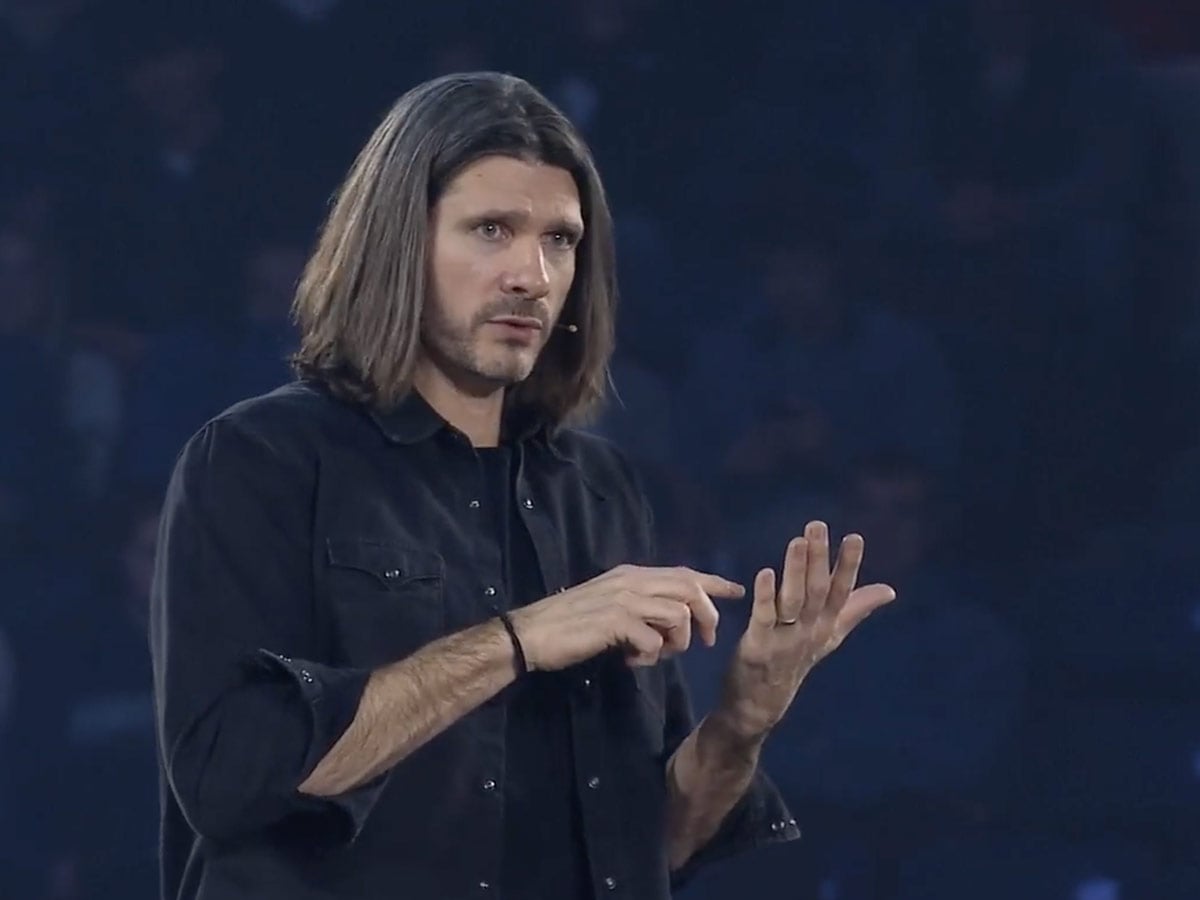
The program launched at Convocation with speaker Joey Odom, co-founder of digital wellness company Aro, who warned students that constant connectivity can quietly crowd out spiritual life. Drawing on Jesus’ parable of the sower in Matthew 13, Odom compared social media and digital overload to the “thorns” that choke out truth. “We’re surrounded by digital thorns,” he said, urging students to stop bringing phones into every moment. “When we bring our phones into potential moments of fruit, we’re just bringing thorns to a fruit party.”
Odom went further, suggesting that everyday distraction may be one of the enemy’s most effective tools. Rather than dramatic temptations, he said, simple and constant digital noise can fragment attention and weaken devotion. “Why would he waste a temptation on a capital-S sin like murder when simple distraction can do the trick?” Odom asked, noting that modern smartphones now provide millions of games and endless video feeds—far beyond anything earlier generations faced. In that environment, he said, loving God with heart, soul, mind and strength can feel nearly impossible without intentional limits.
Liberty’s Vice President of Spiritual Development, Joshua Rutledge, echoed that concern, pointing to growing research on the mental and emotional toll of heavy social media use. He argued that if phones dominate attention, they also become a primary channel for anxiety, comparison and false messages about identity. “If you want to combat that with the truth of the Gospel,” he said, “then you’d better figure out how to get through that wall.”
Recent scientific findings reinforce the university’s emphasis on digital breaks. A December 2025 study of young adults found that even a short-term social media detox significantly reduced symptoms of anxiety, depression and insomnia. While overall screen time did not drop dramatically, mental health improved—suggesting that stepping back from social platforms specifically carries measurable benefits.
For Liberty leaders, those outcomes mirror a deeper spiritual reality: what fills attention shapes the heart. The Digital Rest challenge ultimately asks students to reclaim silence, presence and prayer in an age of constant scrolling—an ancient discipline newly urgent in the smartphone era.
 Read Previous Post