
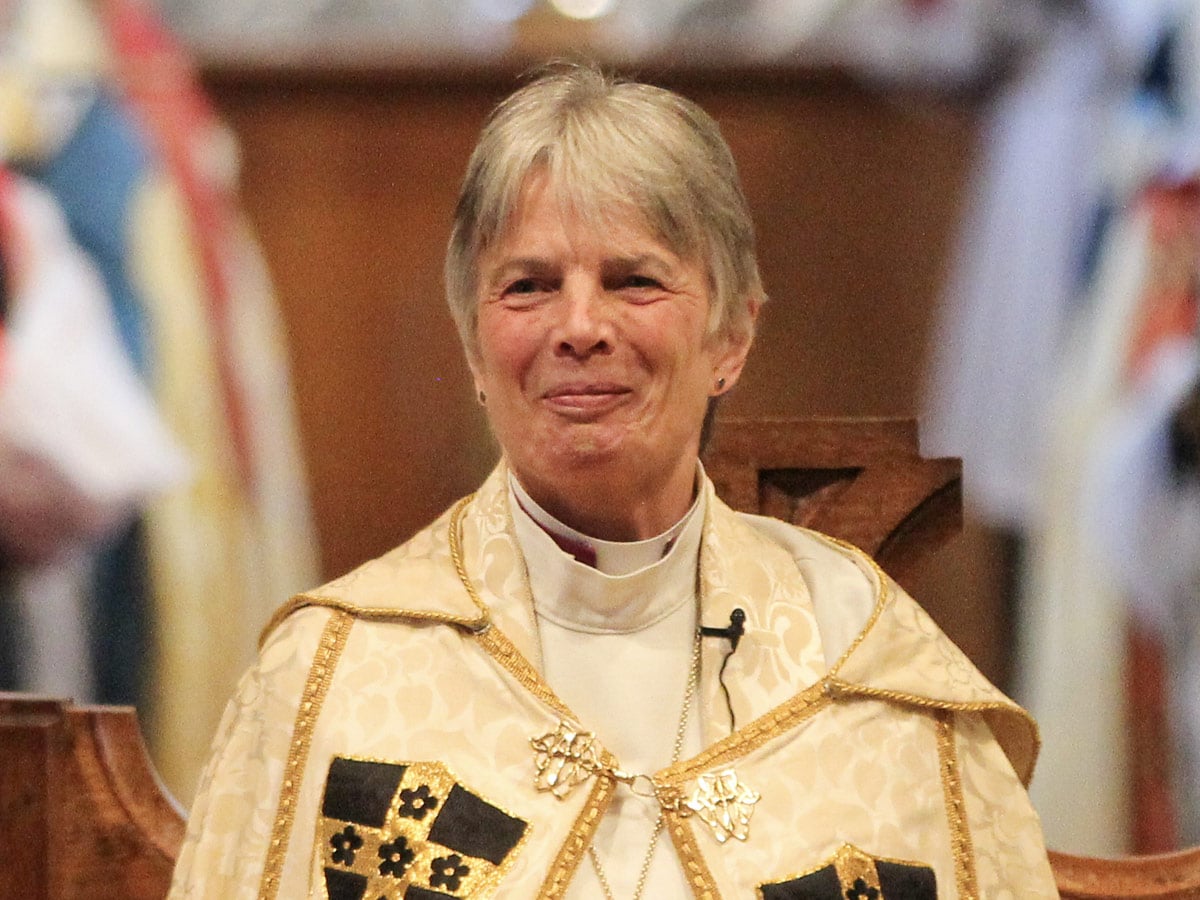
The first openly lesbian archbishop in Christian history says the backlash surrounding her election — including some people leaving the church — has been deeply painful, even as she insists space must remain for disagreement within the body of Christ.
The Most Rev. Cherry Vann, 67, who serves as bishop of Monmouth, was elected last July as the 15th archbishop of the Church in Wales, a move that sent shockwaves through global Anglicanism. In a recent interview with the BBC, Vann reflected on the fallout from her historic appointment, acknowledging that some congregants have chosen to leave the church in protest.
“There are still patches all over the place where people continue to struggle with women in leadership, and I have to respect that,” Vann said. “The Church in Wales is working hard to welcome LGBT+ people, but I also respect that there are people in the Church in Wales who find that really difficult. Some, sadly, have felt the need to leave, and I take that very seriously.”
Vann’s election by an electoral college of clergy and lay members reignited long-standing theological divisions within the Anglican Communion, particularly around sexuality, biblical authority, and church leadership. Conservative Anglican bodies worldwide responded swiftly. The Anglican Church of Nigeria formally broke ties with the Church in Wales shortly after her appointment.
Strong criticism also came from leaders within the Global Fellowship of Confessing Anglicans. The Most Rev. Laurent Mbanda, chairman of the GAFCON Primates Council, described Vann’s election as “an act of apostasy” and warned it represented another fracture in Anglican orthodoxy. Citing Romans 1:26, Mbanda argued that acceptance of homosexuality reflects a theological compromise that necessitates separation.
The controversy has unfolded alongside broader turmoil within Anglican leadership. The Church of England is also facing tension following King Charles III’s decision to appoint Sarah Mullally as the first female archbishop of Canterbury, a figure who has likewise expressed support for homosexuality and is expected to be formally installed in 2026.
Vann, who lives with her civil partner, Wendy, and their two dogs, said opposition to her leadership has at times been “quite hostile.” “It can be very hurtful,” she admitted. “It’s hard to hear some of the things that people say, but I think it’s important that there is space for them to say that. I don’t want people to feel shut down or silenced just because I hold a different view.”
Still, she acknowledged that the criticism often feels deeply personal. “It does nevertheless hurt because it feels like an attack on who I am and who God has made me to be,” she said, adding that the church must find a way to hold differing convictions while remaining united in Christ.
Others, she noted, have responded with celebration and hope. “I had a lot of people contact me rejoicing at my election and saying how much strength they get from the fact that there is now a woman in the role — and a civilly partnered woman at that,” she said. “I’ve had the opposite as well. That’s just life.”
Vann replaced the Rt. Rev. Andrew John, who resigned last June following a safeguarding review at Bangor Cathedral that cited a culture of misconduct and blurred boundaries. As the Church in Wales moves forward, Vann’s leadership continues to symbolize a widening divide within Anglicanism — one that shows no sign of easing.
 Read Previous Post