The U.S. military’s deadly strike on a Venezuelan vessel—killing 11 men accused of cartel ties—has stirred not only geopolitical debate but a deeper spiritual reckoning: What does justice look like when truth is contested and lives are lost?
On September 2, 2025, the U.S. military struck a vessel sailing from Venezuela to the U.S. The military strike killed all 11 crew members, whom President Donald Trump called “terrorists” who he alleges were on a “drug-carrying boat.”
The Trump administration claims that the crew was identified as members of Tren de Aragua, a Venezuelan cartel group formed in 2009, and that their vessel was trafficking drugs into the U.S. However, on September 11, Venezuela’s interior minister Diosdado Cabello insisted that the men were not cartel members.
In a statement to state television, Cabello said, “We have done our investigations here in our country, and there are the families of the disappeared people who want their relatives, and when we asked in the towns, none were from Tren de Aragua, none were drug traffickers.”
The strike comes nearly a month after the president deployed U.S. Coast Guard and Navy ships to the Caribbean in August. Initially, the deployment was described as a “show of force.” Earlier in the year, Secretary of Defense Pete Hegseth directed the Pentagon to “seal our borders, repel forms of invasion including unlawful mass migration, narcotics trafficking, human smuggling and trafficking, and other criminal activities, and deport illegal aliens in coordination with the Department of Homeland Security.”
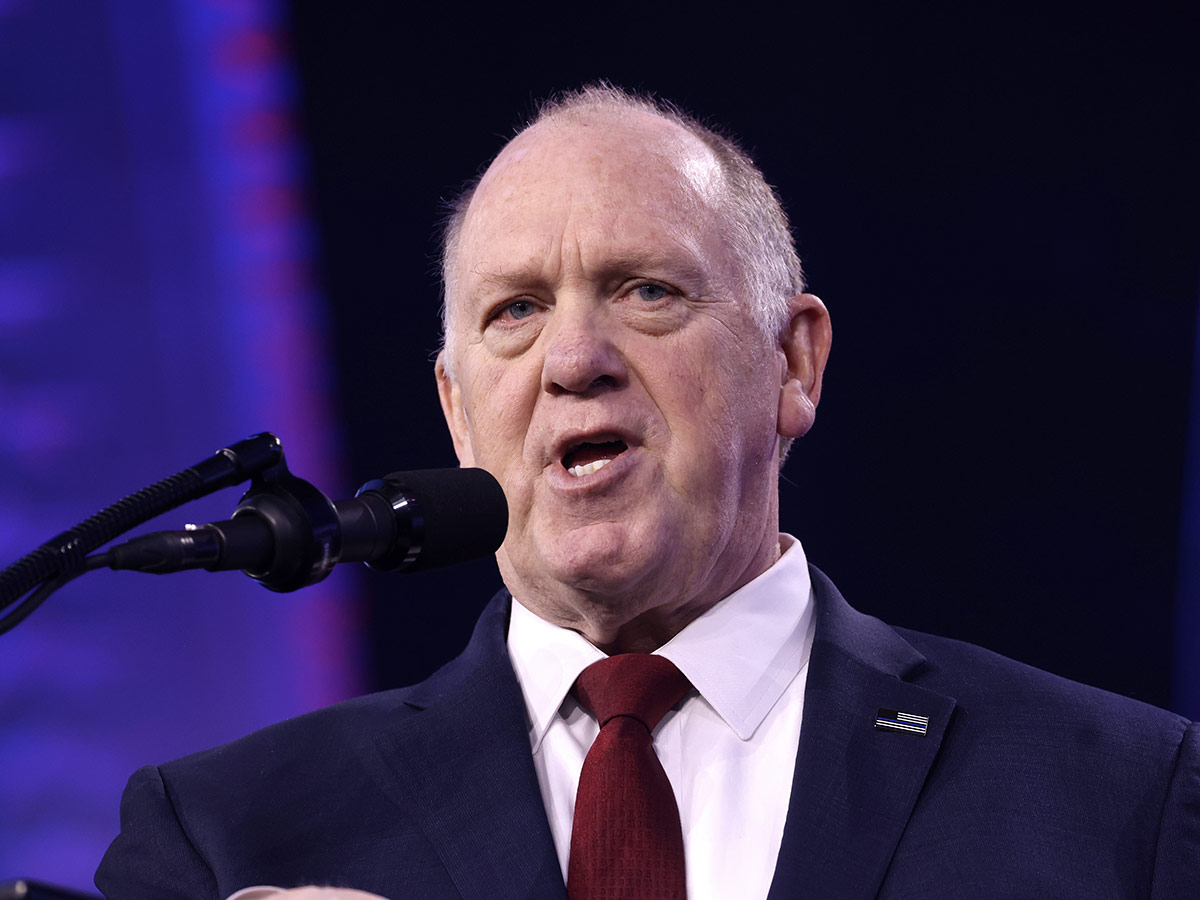
Former border czar Tom Homan defended the military strike, sparking debate over international law, proportionality of force, and the ethics of state violence. “These cartels have killed more Americans than every terrorist organization in the world combined,” Homan said to NewsNation.
In February, President Trump issued an executive order declaring cartels “terrorist organizations.” The order mentions Tren de Aragua’s “campaigns of violence and terror in the United States,” which “threaten the stability of the international order in the Western Hemisphere.”
It is not unprecedented for the U.S. to deploy military vessels in the Caribbean. In 1989, the U.S. deployed armed forces to Panama during Operation Just Cause.
Religious voices have weighed in on the conversation, both in favor and against the military strike. Orthodox Christian and libertarian Justin Amash wrote on X that “Congress has not authorized military hostilities against Venezuela. There’s no exception permitting unilateral action because it’s ‘drugs’ or ‘terrorism’ or a ‘designated organization.’ The ‘peace president’ strikes again.”
Congress has not authorized military hostilities against Venezuela. There’s no exception permitting unilateral action because it’s “drugs” or “terrorism” or a “designated organization.”
The “peace president” strikes again. https://t.co/WiO0NP2YwB
— Justin Amash (@justinamash) September 2, 2025
Amash argued that while military action might be necessary, it must be done constitutionally with the approval of Congress.
Numa Molina, a Venezuelan priest, addressed President Trump on X. “It’s not true that Venezuela is a drug-trafficking country. That’s completely false,” writes Molina, “There isn’t a single cocaine factory or laboratory in Venezuela. This is being told to you by a Venezuelan Jesuit priest who lives in the poor neighborhoods of this country.”
It’s not true that Venezuela is a drug-trafficking country. That’s completely false, President @realDonaldTrump. There isn’t a single cocaine factory or laboratory in Venezuela. This is being told to you by a Venezuelan Jesuit priest who lives in the poor neighborhoods of this…
— numa molina (@numamolina) September 5, 2025
Other religious voices speak out in support of the operation, mostly coming from the Trump administration. “Those 11 drug traffickers are no longer with us, sending a very clear signal that this is an activity the United States is not going to tolerate in our hemisphere,” Secretary of Defense Pete Hegseth told Fox and Friends.
“The President of the United States is going to wage war on narcoterrorist organizations,” said Secretary of State Marco Rubio, who is a Catholic, “this one was operating in international waters, headed towards the United States to flood our country with poison. And under President Trump, those days are over.”
The Catholic Vice President of the United States, JD Vance, also chimed in on X. “Killing cartel members who poison our fellow citizens is the highest and best use of our military.”
 Read Previous Post