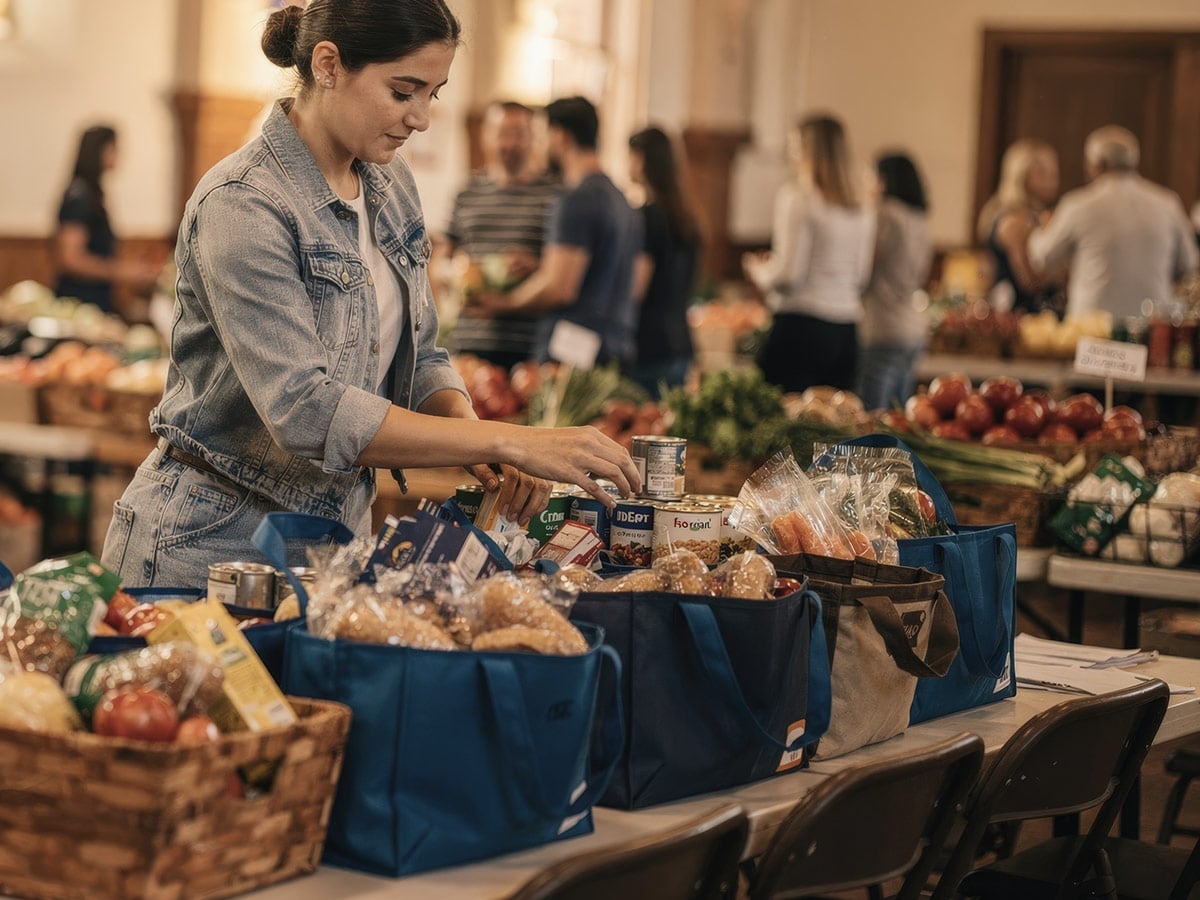
One church is meeting the needs of its community and that’s leading to some big spiritual decisions being made. Friendship Baptist Church (FBC) in Lawton, Oklahoma hosted a free food giveaway on July 11, offering it as first come, first served event. It’s something the small church generally tries to do once a month, typically around the middle of the month because, according to the church’s senior pastor Dr. Walter Wilson, that’s when people tend to start needing help. “They have to register when they come in. We try to do it once a month, usually about the middle of the month because people’s funds run out by that time — by this time every month, their funds run out. They don’t have enough and they appreciate whatever you give,” he told a local news outlet.
The church usually receives around 200 to 225 people every month. However, this month’s event saw over 300 people. Event organizers stated they believed the increase was from the rising costs of living, which have been exacerbated by rising gas prices. “Our church, under the leadership of Dr. Walter A. Wilson, saw a need in the community and wanted to help. We had a small food pantry already. However, we soon discovered it was not enough to help those in need,” church administrator Tammi Whittman told The Christian Post.
While the event served people’s physical needs, Whittman noted that the church did not dismiss its duty to meet the spiritual needs of the people. She reported that church volunteers had prayed with 73 individuals and that 35 had accepted Christ as their savior. “We hope to continue reaching those in need by inviting them to get to know our Lord and Savior Jesus Christ,” said Whittman. Dr. Wilson emphasized that the goal is not to grow the church’s numbers, but to grow others spiritually. “We’re finding that the more we can give is better, and we’re not looking for members, we’re looking for souls,” he said.
Church food pantries open many paths for spiritual connection with members of the community. During the pandemic while many were out of work, churches filled the gap to serve the needs of those suffering not only economic issues, but physical isolation. Lead pastor Kevin Harney of Shoreline Church in Monterrey, California discussed the strategies his church used during the height of the pandemic to ensure the church was going beyond the physical needs of those it served. “What we realized was that, before the pandemic hit, our food pantry gave a lot of food and we were kind, but there was not a clear and intentional evangelistic focus to the ministry. If we were going to invest huge amounts of time and energy into a growing outreach ministry, we were going to make sure we were actually having a spiritual impact and doing evangelism,” Harney wrote for the Lewis Center for Church Leadership. “We wanted to do all we could to have spiritual conversations and prayer with anyone who came for food, if they were interested.” By switching to a focus on Gospel-centered conversations, the church increased engagement to 70 percent. The lessons learned were then gathered in Harney’s book, Organic Outreach, so that other churches like Shoreline and now Friendship Baptist can meet the pressing spiritual needs of their communities.
 Read Previous Post