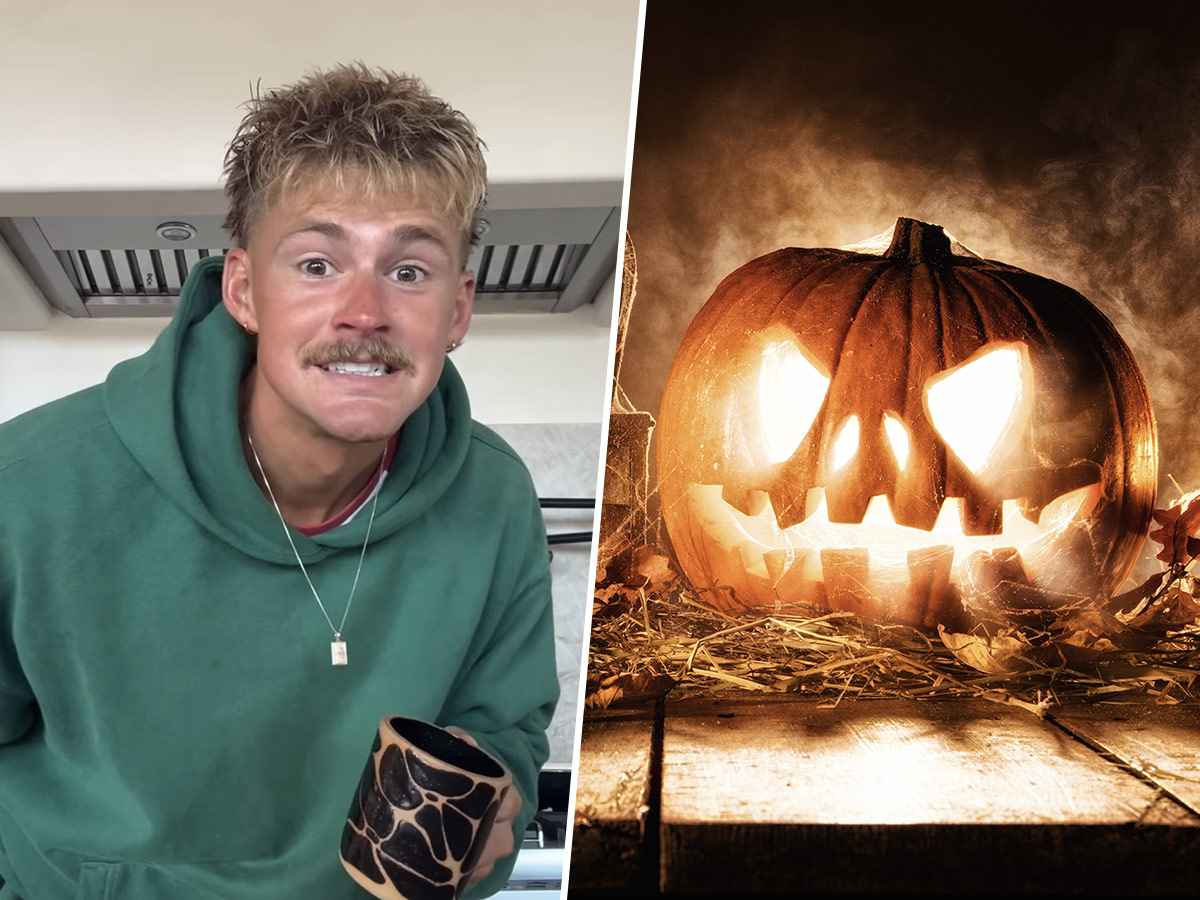
Christian singer Forrest Frank is sparking a meaningful conversation among believers with his recent comments about Halloween. In a post shared, the 30-year-old artist asked, “You aren’t one of those weird Christians who doesn’t celebrate HALLOWEEN right?” before sharing a clip from a podcast featuring a former occultist who claimed that Halloween is “the highest day on the Satanic calendar.”
Frank added his own reflection in the caption: “I have no fear because we are covered in the blood of Jesus…but I’m not messing around with that!! Not sure where we stand with other holidays, so feel free to share info…but this one feels blatantly dark.”
A Believer’s Skepticism
Frank’s message isn’t simply a call to abstain—it’s an invitation to pause and consider. Many Christians view Halloween as a harmless night of costumes and candy. But when someone with spiritual insight frames it as a time steeped in dark rituals and practices, believers like Frank begin to ask deeper questions: What are we actually participating in? What message are we sending?
Following Frank’s post, his followers flooded the comments with debate. Some argued that God cares about our hearts, not the date on the calendar. One commenter wrote, “A little girl dressing up as a princess to get candy isn’t the same as human sacrifice. God cares about our intentions, not specific days. He is still God on Halloween.”
Others agreed with Frank’s caution, sharing their own experiences from the occult before turning to Christ. One follower wrote, “Another ex-witch here to say this is true. We would prepare for Halloween all year round, do rituals, séances, and even sacrifices to gain power. I’m glad Jesus rescued me—thank you for speaking on this.”
Remembering the Holiday’s Roots
Professional surfer and fellow Christian Bethany Hamilton also weighed in, noting that Christian traditions once surrounded the season. “What’s interesting is there are a lot of Christian historical days around Halloween, and it’s just kind of been hijacked,” she said.
Indeed, Halloween’s origins are complex. What began as a mixture of ancient Celtic practices and the Christian observance of All Saints’ Day has evolved into a largely secular holiday. But for many Christians, that transformation doesn’t erase the spiritual questions the day raises.
The Conviction to Step Back
Forrest Frank’s hesitation isn’t rooted in fear—it’s about discernment. He made it clear that he’s not telling others what to do but encouraging reflection. “This one feels blatantly dark,” he wrote. His tone suggests that while he’s confident in his own convictions, he also welcomes dialogue among believers seeking to live faithfully in a culture that often celebrates darkness in the name of fun.
Other Christians have echoed Frank’s sentiment. Shemane Nugent, the wife of musician Ted Nugent, recently shared that she will no longer celebrate Halloween after learning more about its spiritual associations. “I’ve done this in the past. I’ve celebrated it—no more. My eyes are open,” she said in a video to her followers.
A Time to Reflect
The conversation around Halloween isn’t new, but voices like Frank’s are keeping it alive in a generation more open than ever to spiritual exploration. His message resonates because it’s not about rules—it’s about relationships.
For some believers, Halloween may remain a fun cultural moment to engage with neighbors and share light in the midst of darkness. For others, like Frank, it’s a day to step back and pray for discernment, choosing not to participate in what they believe is spiritually harmful.
Ultimately, Frank’s words remind Christians to think beyond the surface and ask, What does this honor? Whether one celebrates or not, it’s a question worth asking because faith, after all, calls us not just to fit in—but to stand apart when the light of Christ calls us higher.
 Read Previous Post