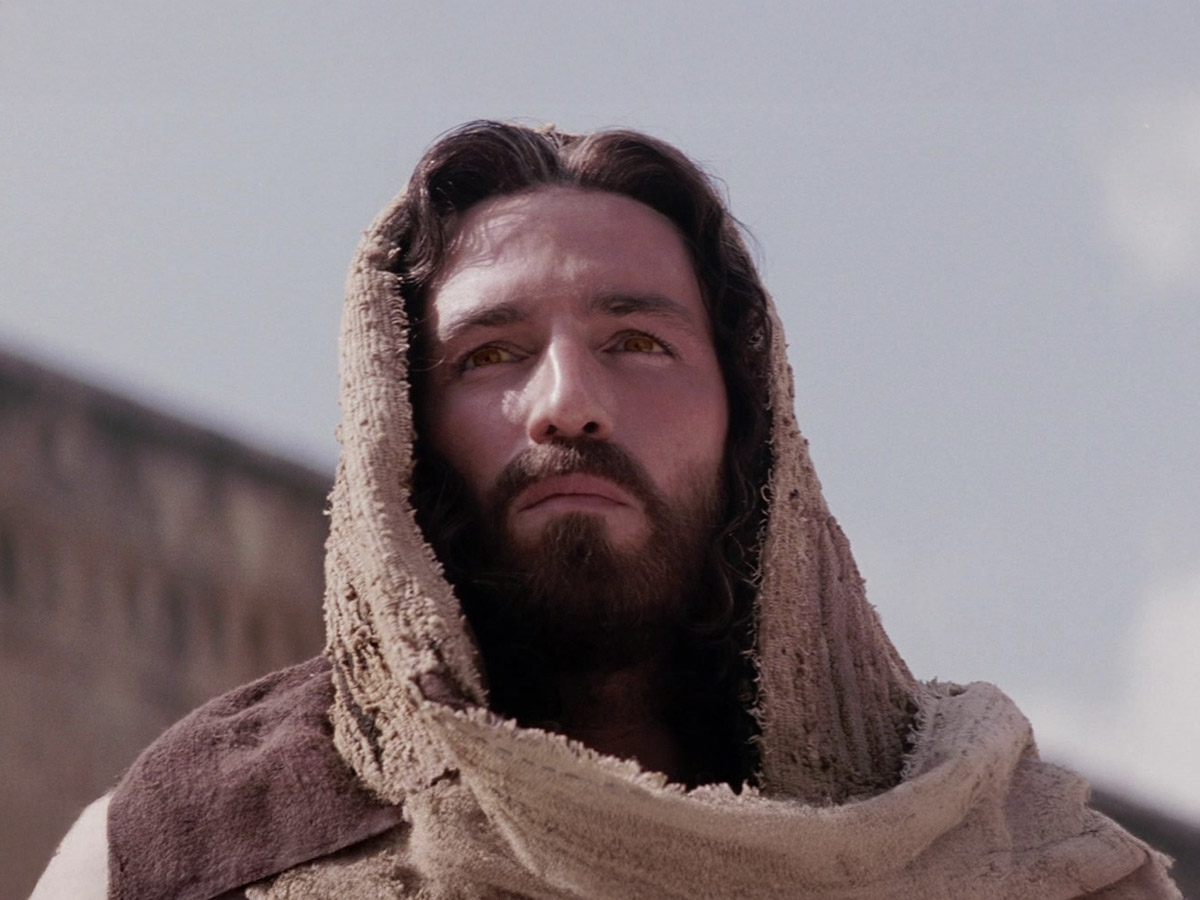
A social media stir erupted this week after viewers noticed what appeared to be a significant omission in the Netflix version of The Passion of the Christ — the removal of a powerful prophecy from Isaiah 53 that originally opened the 2004 film.
The verse in question, “He was wounded for our transgressions, crushed for our iniquities; by His wounds, we are healed,” is one of the most striking Messianic prophecies in the Bible and was prominently featured in the film’s theatrical release. But a version now circulating on Netflix appears to begin with a silent, black screen lasting 13 seconds — with no Scripture or context, sparking speculation and concern online.
It’s currently unclear whether this change is specific to the Netflix platform or dependent on geographic region. The Christian Post reached out to Netflix on Thursday for comments. As of the time of publication, no explanation has been provided.
Isaiah 53, often referred to by theologians as the “Suffering Servant” passage, was written around 700 years before the birth of Christ and has long been seen by Christians as a powerful prophecy of Jesus’ crucifixion. Its vivid imagery aligns closely with the events of Christ’s suffering and death — which The Passion of the Christ depicts in raw detail.
Yet, within Judaism, the chapter has become controversial. Pastor and CP contributor Dan Delzell explains, “Isaiah 53 is no longer read in synagogues around the world and has sadly evolved into the forbidden chapter within Judaism.”
Delzell cites Eitan Bar, a native Jewish-Israeli scholar, who noted, “The 17th-century Jewish historian, Raphael Levi, admitted long ago the rabbis used to read Isaiah 53 in synagogues, but after the chapter caused ‘arguments and great confusion,’ the rabbis decided that the simplest thing would be to just take that prophecy out of the Haftarah readings in synagogues.” Bar adds, “That’s why today, when we read Isaiah 52, we stop in the middle of the chapter, and the week after, we jump straight to Isaiah 54.”
Even Jewish scholars who do not accept Jesus as the Messiah have historically acknowledged the Messianic tone of Isaiah 53, according to One for Israel, a Messianic outreach organization.
While multiple viewers shared screenshots and clips appearing to show the missing verse, a CP reporter who viewed the film on Netflix on Friday reported that Isaiah 53 was present in the version they accessed. This inconsistency suggests the discrepancy could be linked to localization settings or platform version control.
This isn’t the first time Netflix has come under fire for its handling of faith-related content. Last December, the animated holiday special That Christmas drew criticism for incorporating a Nativity play soundtracked by a Madonna song — the same singer who once claimed Jesus would support abortion.
In 2020, the Netflix series Messiah, produced by Christian power couple Mark Burnett and Roma Downey, faced backlash from some Christian audiences over its depiction of a modern-day man performing miracles and claiming to be the Messiah.
Even more controversial was a 2019 Brazilian comedy special hosted on Netflix that portrayed Jesus Christ as homosexual — prompting widespread outrage and legal challenges in Brazil.
Whether the omission of Isaiah 53 was intentional, accidental, or simply a platform-specific glitch, the incident underscores the sensitivity surrounding how Scripture is handled in popular media. For many believers, the prophetic clarity of Isaiah 53 is a cornerstone of understanding Christ’s redemptive suffering and removing it from a film about His Passion feels deeply unsettling.
 Read Previous Post