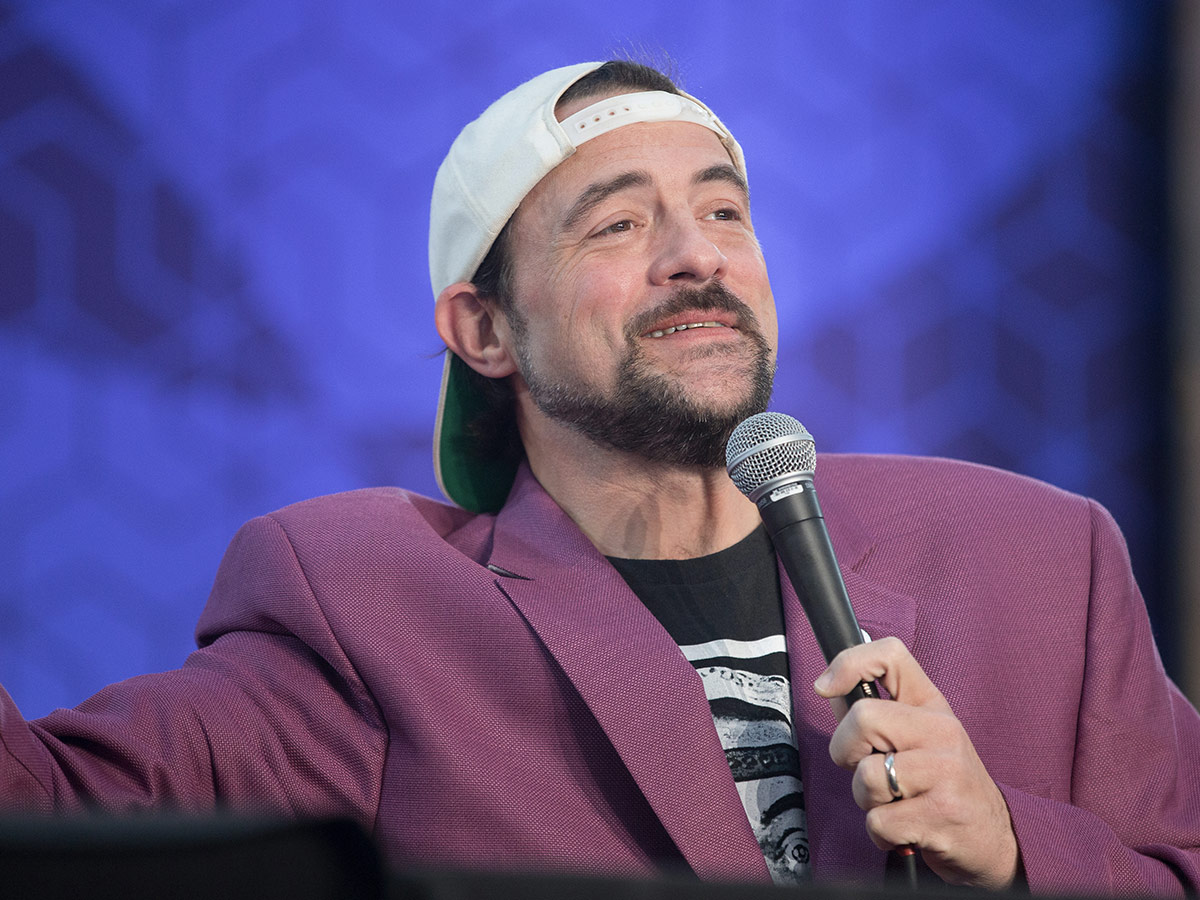
Nearly 25 years after the release of his cult classic film Dogma, director Kevin Smith says the spiritual worldview that shaped his original screenplay is gone — and his upcoming sequel will reflect that change. Speaking to Fox News Digital, Smith described the original 1999 film as the work of a Catholic believer, while admitting that he no longer adheres to the faith that once guided him.
“Dogma is a movie that’s written and directed by somebody who believes in everything that you see on that screen,” Smith said. “The old man who’s writing and directing the follow-up, he doesn’t have that same faith anymore. I don’t carry that cross.”
The original film followed two fallen angels, played by Ben Affleck and Matt Damon, as they sought a loophole to re-enter heaven, with an unlikely descendant of Jesus and the angel Metatron attempting to stop them. Despite the satire and oddball theological humor, Smith maintains that the movie was ultimately reverent in its approach. “It upholds everything, all the tenets of the Catholic faith,” he insisted, adding that backlash largely came from those who never actually watched it.
Smith recalled that he was once concerned audiences would assume the film mocked Christianity à la Monty Python and the Holy Grail, but said the opposite was true. “It’s not just pro-faith, but pro-Catholic,” he said. “A hairy eyeball toward the Catholic Church, the fundamental organization, but the movie is reverent.”
Yet the man preparing to return to that world decades later no longer believes what he once did. Smith shared that losing his Catholic faith left him feeling exposed in a way he didn’t expect. Reflecting on the past three years, which included a season of mental health treatment, Smith said, “Life was so much easier when I had faith. I honestly feel like I probably wouldn’t have wound up in an institution if I still had my faith… you got no issues when you got faith, man. You will always be protected.”
His description echoed a sentiment that many Christians recognize — that faith not only provides eternal hope but also practical strength in suffering. For Smith, the absence of that security has left life feeling heavier. “Those of us that don’t practice a faith, don’t have a faith, feel like we are alone,” he said. “And that’s very easy to break when the weight of the world is on your shoulders.”
Smith didn’t point to a single moment when his belief slipped away, but instead cited philosophical challenges and shifting perspectives — including conversations on his podcast and a Buddhist wall hanging that reframed his understanding of personal responsibility. “Why do you keep handing over the wheel to somebody that isn’t really there?” he recalled thinking.
That mindset will shape the sequel. “This time around it’ll be a little bit different, fed through a different ethos altogether,” he said.
Even so, Smith didn’t close the door on being wrong. “We Catholics, we built insurance for ourselves,” he joked. “So there’s always purgatory.”
For Christians, Smith’s journey isn’t just a Hollywood anecdote — it’s a reminder that belief isn’t merely intellectual but deeply personal, often tied to suffering, identity, and the search for meaning. It also invites believers to pray for artists and storytellers like Smith, who can influence generations with the worlds they build and the faith they either carry — or leave behind.
 Read Previous Post