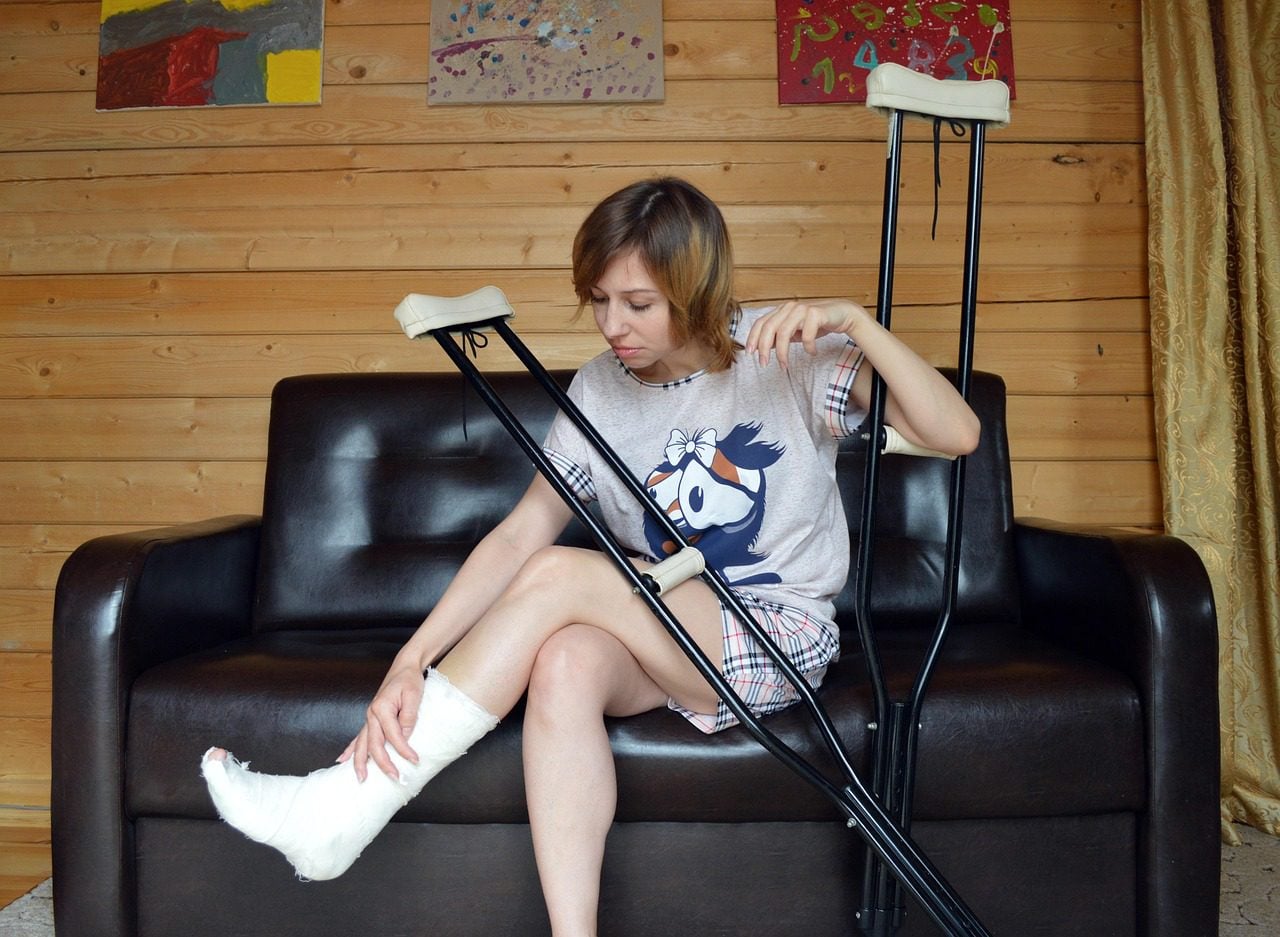
Rachel feels a wave of discomfort whenever she remembers certain stressful moments from her past. Specifically, she vividly recalls a car accident and often feels as though she is reliving it. At night, she has flashbacks to the crash. The sound of tires screeching or a nearby accident can trigger intense anxiety and fear. She becomes afraid to drive and has started avoiding situations that remind her of what happened.
Rachel is also constantly on guard. She feels tense much of the time and is easily startled by unexpected sounds. Sleep is difficult, and she finds herself scanning her environment for danger even when she is safe. These symptoms have begun to interfere with her daily life, her relationships, and her ability to function as she once did.
Rachel needs help. She is experiencing symptoms consistent with Post-Traumatic Stress Disorder (PTSD).
What Is PTSD?
PTSD is a mental health condition that can develop after a person experiences or witnesses a traumatic event. Examples include serious accidents, natural disasters, combat, physical assault, sexual violence, or other life-threatening situations.
Traumatic events affect people differently. Not everyone who experiences trauma develops PTSD. However, for some individuals, the brain and body continue to react as though the danger is still present long after the event has ended.
Mental health professionals diagnose PTSD based on specific symptoms that persist for more than a month and cause significant distress or impairment in daily functioning.
The good news is that PTSD is treatable. Research has identified several effective therapies that can significantly reduce symptoms and improve quality of life.
- Prolonged Exposure Therapy (PE)
Prolonged Exposure Therapy helps individuals gradually and safely confront trauma-related memories, feelings, and situations they have been avoiding.
For Rachel, treatment might involve talking about the accident in a structured therapeutic setting and slowly returning to activities she has been avoiding, such as driving. Over time, repeated exposure in a safe environment can reduce the intense fear associated with trauma reminders.
- Cognitive Processing Therapy (CPT)
Cognitive Processing Therapy focuses on identifying and challenging unhelpful beliefs that develop after trauma.
For example, Rachel may have come to believe that she is never safe or that she should have prevented the accident. CPT helps individuals examine these thoughts, evaluate the evidence for them, and develop more balanced ways of thinking.
- Mindfulness-Based Approaches
Mindfulness practices can help people become more aware of their thoughts, emotions, and physical sensations without becoming overwhelmed by them.
Research suggests that mindfulness can reduce stress and improve emotional regulation. Techniques may include focused breathing, body awareness exercises, and learning to stay grounded in the present moment when distressing memories arise.
If you are interested in this therapy and Christian, you would want to find a therapist who conducts this therapy from a Christian worldview. Basically, Rachel would do Christian meditation (put on the mind of Christ), body scan for tension and apply non-yoga stretching and grounding techniques.
- Eye Movement Desensitization and Reprocessing (EMDR)
EMDR is another evidence-based treatment for PTSD.
During treatment, individuals briefly focus on traumatic memories while engaging in bilateral stimulation, such as guided eye movements. The goal is to help the brain process traumatic memories in a way that reduces their emotional intensity. Many people experience a decrease in distress associated with traumatic memories following treatment.
There Is Hope
Living with PTSD can feel exhausting and isolating. Memories may seem impossible to escape, and everyday situations can become sources of fear and anxiety. Yet recovery is possible.
June is national PTSD awareness month. With proper treatment and support, it is possible to regain a sense of safety and return to meaningful activities once avoided. Seeking help is not a sign of weakness rather an important step toward healing.
If you or someone you love needs help, consider reaching out to a licensed mental health professional. Effective treatments are available, and no one must face PTSD alone.
 Read Previous Post