Misinformation is not a new problem, but the scale and speed at which it spreads today is unprecedented. Across both high- and middle-income countries, concern about false information online remains consistently high. Many people now view it as a significant threat, not just to individuals, but to society as a whole. The rise of digital technology and social media has dramatically amplified this issue, creating an environment where misinformation can flourish.
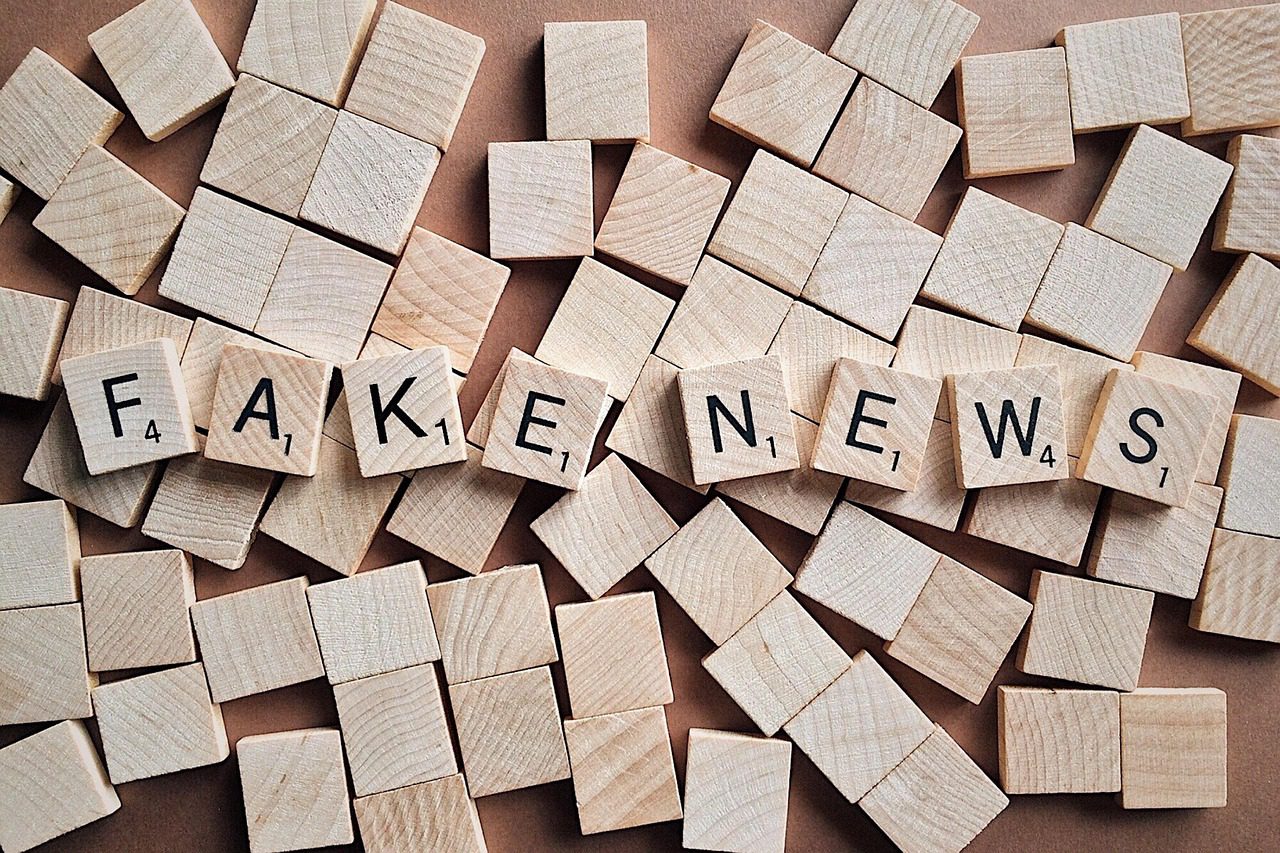
Let’s begin with clarity. Misinformation refers to false, inaccurate, or incorrect information shared without necessarily intending harm. In contrast, disinformation is deliberately false information spread with the intent to deceive. What we often call “fake news” falls into this latter category, fabricated stories presented as legitimate reporting. Alongside these are rumors which are unverified pieces of information that have existed for centuries and continue to circulate widely, especially in times of uncertainty.
Why does misinformation spread so easily? Research gives us several important answers. First, exposure matters. The more we encounter a piece of information, the more likely we are to believe it. This is a phenomenon known as the “illusory truth effect.” Even when information is false, repetition can make it feel familiar and therefore true.
Second, emotion plays a powerful role. People are more likely to believe and share content that evokes strong feelings such as fear, anger, or outrage. Social media algorithms, which prioritize engagement, often amplify exactly this type of emotionally charged content. As a result, misinformation that triggers a reaction tends to travel farther and faster than neutral, fact-based information.
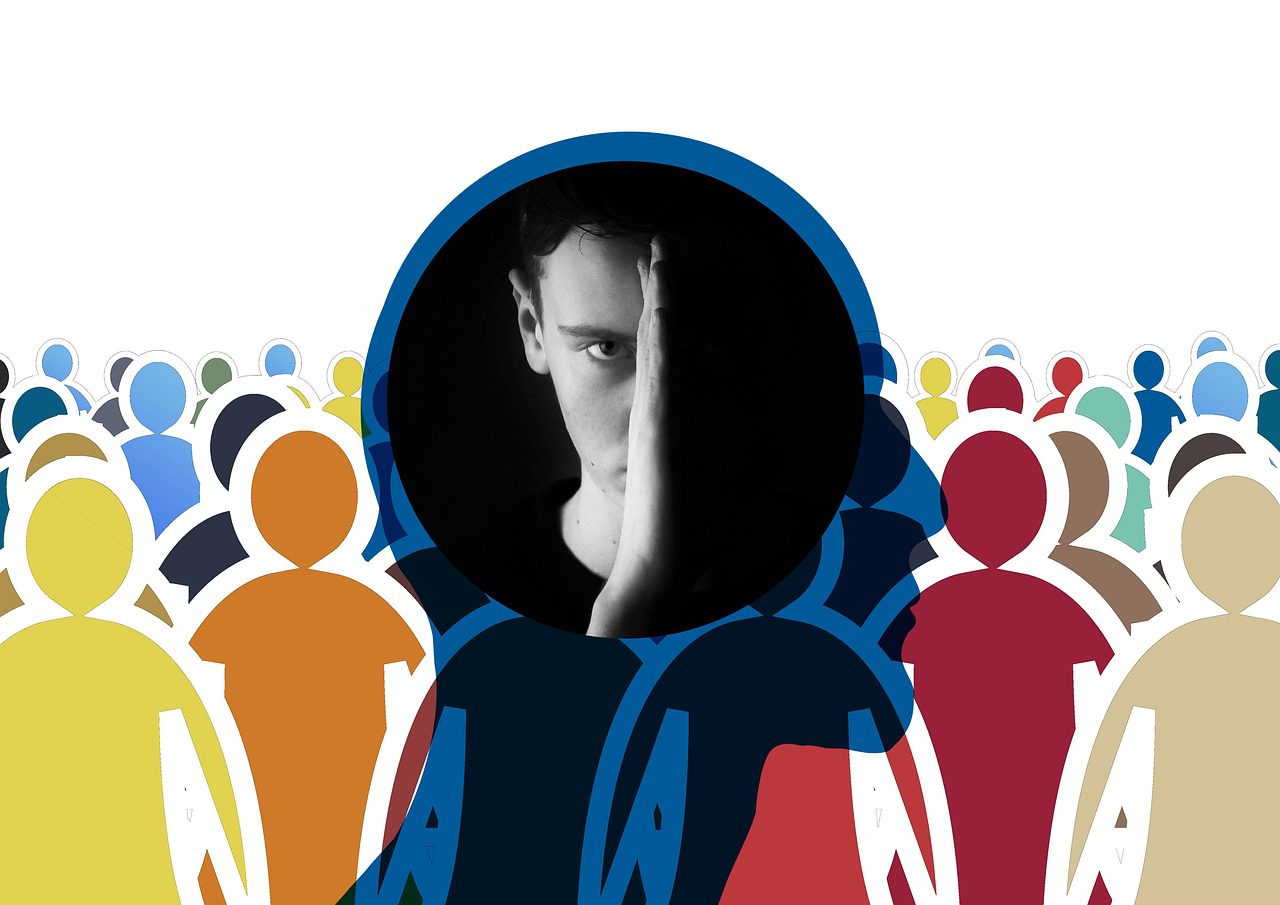
Third, identity and social belonging influence what we accept as true. We are more inclined to believe information that aligns with our existing beliefs or comes from people we perceive as part of our “in-group.” This is compounded by what psychologists call the “biased blind spot,” meaning the tendency to see ourselves as objective while recognizing bias in others.
Importantly, most people do not share misinformation with malicious intent. Many later report regret when they discover something they shared was false. Often, sharing is driven by social connection, the desire to inform others, or simply reacting quickly without careful evaluation.
The challenge is that detecting misinformation is not easy. When we encounter new information, our brains are wired to understand and respond, not to fact-check. Evaluating accuracy requires effort, and when false information is plausible, it can be absorbed as truth.
So how do we combat misinformation?
Research points to several promising strategies.
- Debunking: this is correcting false information after exposure. It can be effective when it provides clear explanations and replaces myths with accurate facts. However, it requires time and repetition.
- Even more promising is prebunking, or psychological inoculation. By warning people in advance about misleading tactics and exposing them to weakened versions of false claims, we can build resistance before misinformation takes hold.
- Improving media and digital literacy is also essential. People who have stronger analytical reasoning skills and a better understanding of how information is produced are more resistant to misinformation.
- Small behavioral nudges such as prompting individuals to consider accuracy before sharing can reduce the spread of false information, especially when combined with other approaches.
- Know the truth. This is especially important to the Christian faith. You can’t debunk something if you don’t know the truth which requires study of the Bible and knowledge of key doctrines of the faith. Also, people of faith should walk in integrity and be extra careful not to spread false information, especially information that is negative and accusatory. Our words are important and we should speak truth in love. So pause, before you post or speak and ask, “Do I know this to be true?”
Misinformation thrives in environments of speed, emotion, and unexamined belief. Combating it requires intentional slowing down, thoughtful evaluation, and a willingness to question even what feels true but may not be. In a culture saturated with information, discernment is no longer optional, it is essential. And your best discernment comes from the Holy Spirit living in you to guide your thinking and behavior.
 Read Previous Post