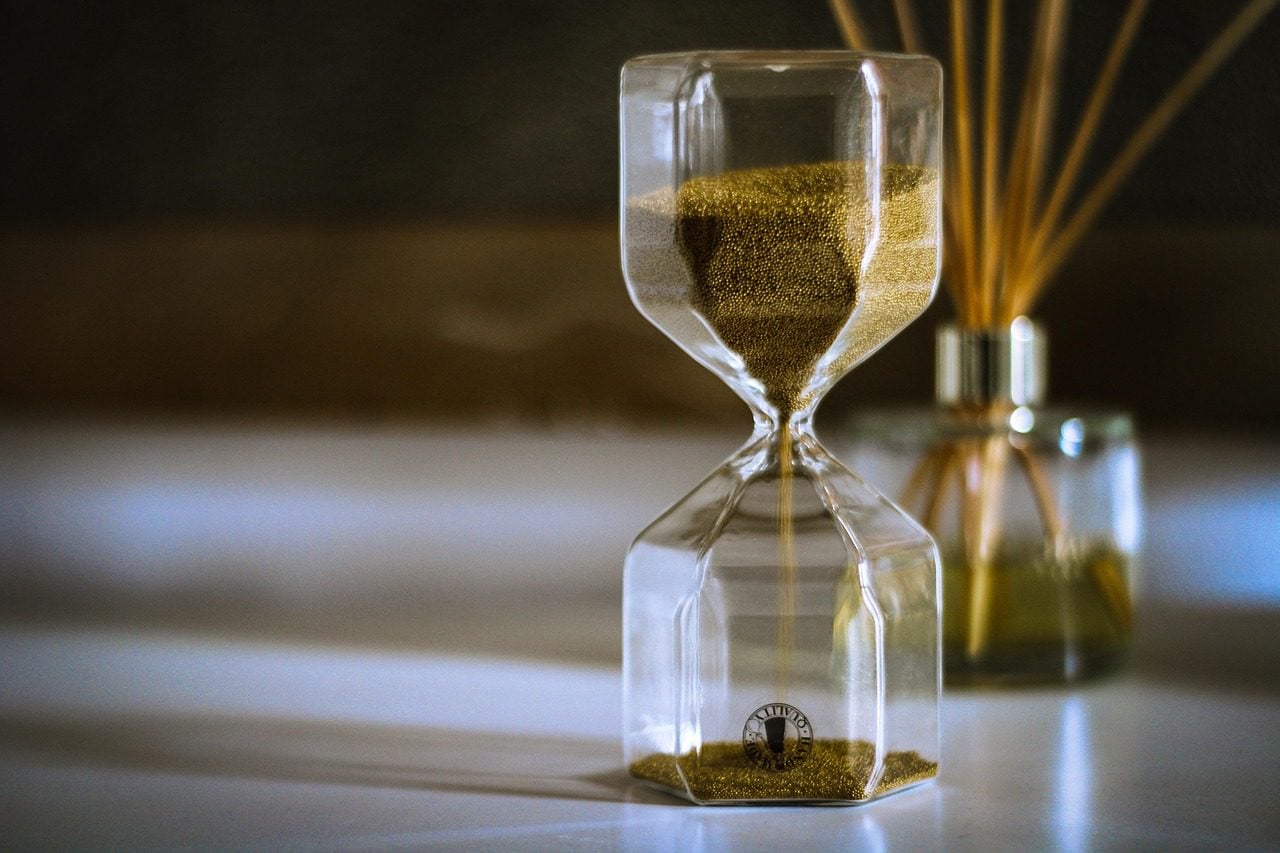
I am in one of the periods of my life when I am waiting for something to happen. This isn’t my first go around with what appear to be a delay, but I know God is sovereign and works for my good. His timing is always the best. In the meantime, I wait.
Patience doesn’t always come naturally, especially if you’re someone who dislikes long lines, late arrivals, or slow drivers lingering in the left lane. Many of us live with an internal clock set permanently to “rush.” Like the White Rabbit in Alice in Wonderland, we feel perpetually behind: “I’m late! I’m late!” In a culture shaped by instant downloads, same-day delivery, and immediate responses, waiting feels unnatural. Yet both psychological research and spiritual wisdom remind us that patience is not weakness. It is strength under control.
Waiting Is Active, Not Passive
In psychology, patience is closely tied to delayed gratification, the ability to resist an immediate reward in favor of a better outcome later. The well-known Walter Mischel demonstrated through the Stanford marshmallow experiment that children who learned to wait for a greater reward tended to experience better life outcomes years later. Follow-up research published in journals like Psychological Science shows that self-regulation skills, like patience, are linked to emotional resilience, healthier relationships, and even academic success.
Waiting, then, is not doing nothing. It is active self-regulation. It requires trust, emotional control, and a belief that the pause will bear fruit. Like a child eagerly awaiting Easter morning, anticipation can be joyful when rooted in hope rather than frustration.
The Spiritual Foundation of Patience
Scripture speaks often about waiting. In Isaiah 40:31, we are reminded that those who wait upon the Lord will renew their strength. Waiting builds perseverance and endurance, two qualities that modern psychology identifies as grit and resilience.
From a faith perspective, impatience often leads to complaining or grumbling. But waiting on God reframes the delay. It shifts our focus from what we lack to Whom we trust. Trust reduces anxiety. Research in positive psychology suggests that faith and spiritual surrender can lower stress and increase emotional well-being because they provide meaning during uncertainty.
Waiting requires expectancy. We wait for healing, solutions, or relief from hardship. Yet spiritually, our expectancy is grounded in God’s character, knowing He is working behind the scenes even when we cannot see the outcome.
Practical Ways to Grow in Patience
Developing patience involves both spiritual discipline and psychological practice:
- Practice Mindful Stillness.
Slowing down your breathing and grounding yourself in the present moment helps regulate emotional reactivity. Stillness strengthens your ability to pause before responding. Scripture tells us to be still and know that He is God. - Reframe Delays as Growth Opportunities.
Cognitive behavioral research shows that how we interpret events shapes our emotional response. Instead of “This is wasting my time,” try, “This is strengthening my endurance.” Then trust God’s timing. One of my pastors called waiting, divine delays. - Strengthen Trust Through Prayer or Reflection.
Spiritual disciplines like prayer, journaling, meditation on Scripture serve to anchor your heart in truth during uncertain seasons. Trusting God and believing when you don’t see answers is faith. - Focus on What You Can Control.
While waiting for external change, direct your energy toward faithful action in the present. Patience doesn’t mean passivity; it means responsible trust.
Trust the Bigger Picture
One of the greatest challenges of waiting is not understanding why. We rarely see the full story. But faith invites us to trust in God’s sovereignty and timing. Psychological research on hope theory suggests that people who believe their circumstances have meaning cope better with stress and uncertainty.
Waiting strengthens us. It refines our character. It deepens faith. When we resist the urge to rush outcomes and instead choose trust, we cultivate spiritual maturity and emotional resilience.
So during seasons of delay, be strong and take courage. Trust the One who holds the bigger picture. Patience may feel uncomfortable, but it is often the very process through which our strength is renewed.
 Read Previous Post