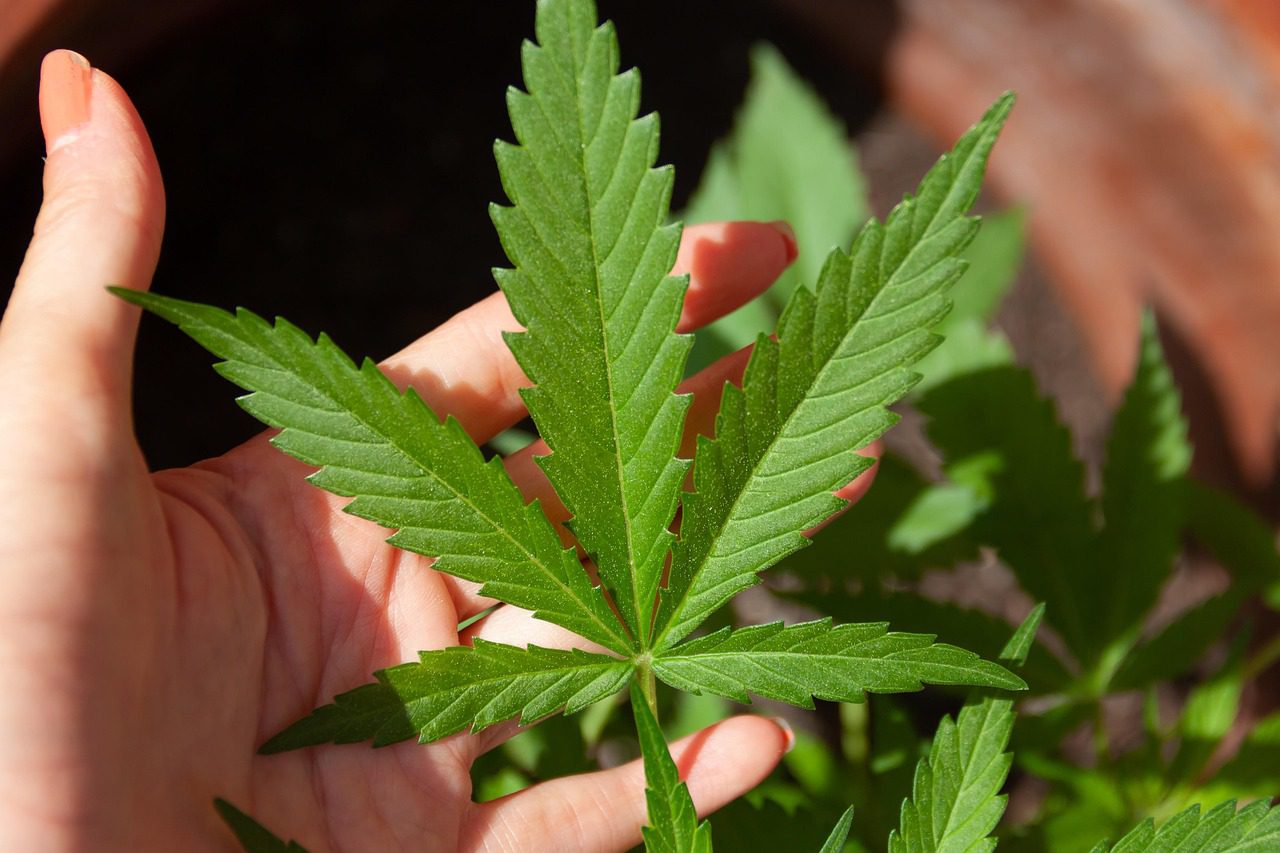
Marijuana use in America has reached record highs, surpassing even alcohol consumption. Across the country, states have legalized cannabis for medical purposes, while others have pushed to legalize it for recreational use. But here’s the pressing question: is marijuana truly “medical,” or have we been misled by powerful lobbyists and profit-driven campaigns?
Honestly, there is a sobering comparison between today’s cannabis industry and the opioid epidemic of the past. It’s déjà vu. Both crises were fueled by misinformation, exaggerated benefits, minimized risks, and powerful financial interests. We didn’t learn from opioids, and now history is repeating itself.
Let’s look at what’s really happening.
How States Legalize “Medical” Marijuana
The process often begins with a state senator or representative sponsoring a bill. Testimonies are heard, but not from unbiased scientific experts. Instead, the loudest voices typically come from lobbyists and advocacy groups backed by industries that stand to profit. As a result, lists of “qualifying conditions” for medical marijuana use are created—not from high-quality medical research, but from poor studies or outright marketing strategies.
Unlike FDA-approved drugs, cannabis has not undergone the rigorous clinical trials necessary to prove safety and effectiveness. That’s why under federal law, marijuana remains classified as a Schedule I drug—meaning it has high potential for abuse and no currently accepted medical use.
Dispensaries vs. Pharmacies
Here’s a critical distinction: the cannabis you buy at a dispensary is not the same as a medication prescribed at a pharmacy. The FDA has approved a few cannabis-related drugs, such as Epidiolex (for rare seizure disorders) and synthetic THC medications like Marinol, Syndros, and Cesamet, but these are tightly regulated and only available by prescription from a licensed healthcare provider. By contrast, the marijuana products lining dispensary shelves are unregulated, vary wildly in potency, and are sold by “budtenders” with no medical training.
The Harm You Don’t Hear About
Despite claims that marijuana helps conditions like anxiety, PTSD, or chronic pain, research shows the opposite: cannabis often worsens these conditions over time. For example, anxiety may seem reduced while under the influence, but symptoms return stronger when the drug wears off. Long-term use can also increase risks of psychosis, worsen outcomes for people with existing mental illness, and impair brain and heart health.
Teens are especially vulnerable. Regular marijuana use during adolescence can trigger schizophrenia in those predisposed, cause irreversible IQ loss, and disrupt healthy brain development. Pregnant women who use cannabis risk low birth weight babies and unknown long-term effects on the developing fetus.
Why Christians Should Care
Many believers assume marijuana is a safe medical option, but Scripture reminds us to use wisdom and discernment. Proverbs 14:15 warns, “The simple believe anything, but the prudent give thought to their steps.” The cannabis industry is not about medicine—it’s about money. And when profits are prioritized over health, individuals and families suffer.
Bottom Line
Medical marijuana is a misleading term. The national physician group I meet with quarterly (academic medicine) is made up of addiction medicine and addiction psychiatrists who are greatly disturbed by all the misinformation given about marijuana. It’s harming so many people. They see it every day in their hospitals and outpatient clinics. They won’t even call it medical marijuana, only legalized or commercial marijuana. The drug has not been proven safe or effective, and the risks—addiction, psychosis, impaired driving, harm to teens and unborn children—are very real. Please stop listening to opinions and follow the research. Be prudent, be educated, and seek treatments for psychiatric conditions that are evidence-based and safe.
Wisdom means looking beyond the hype and asking hard questions. Don’t let misinformation shape your health decisions. Choose truth over trends, and protect yourself and your loved ones.
 Read Previous Post