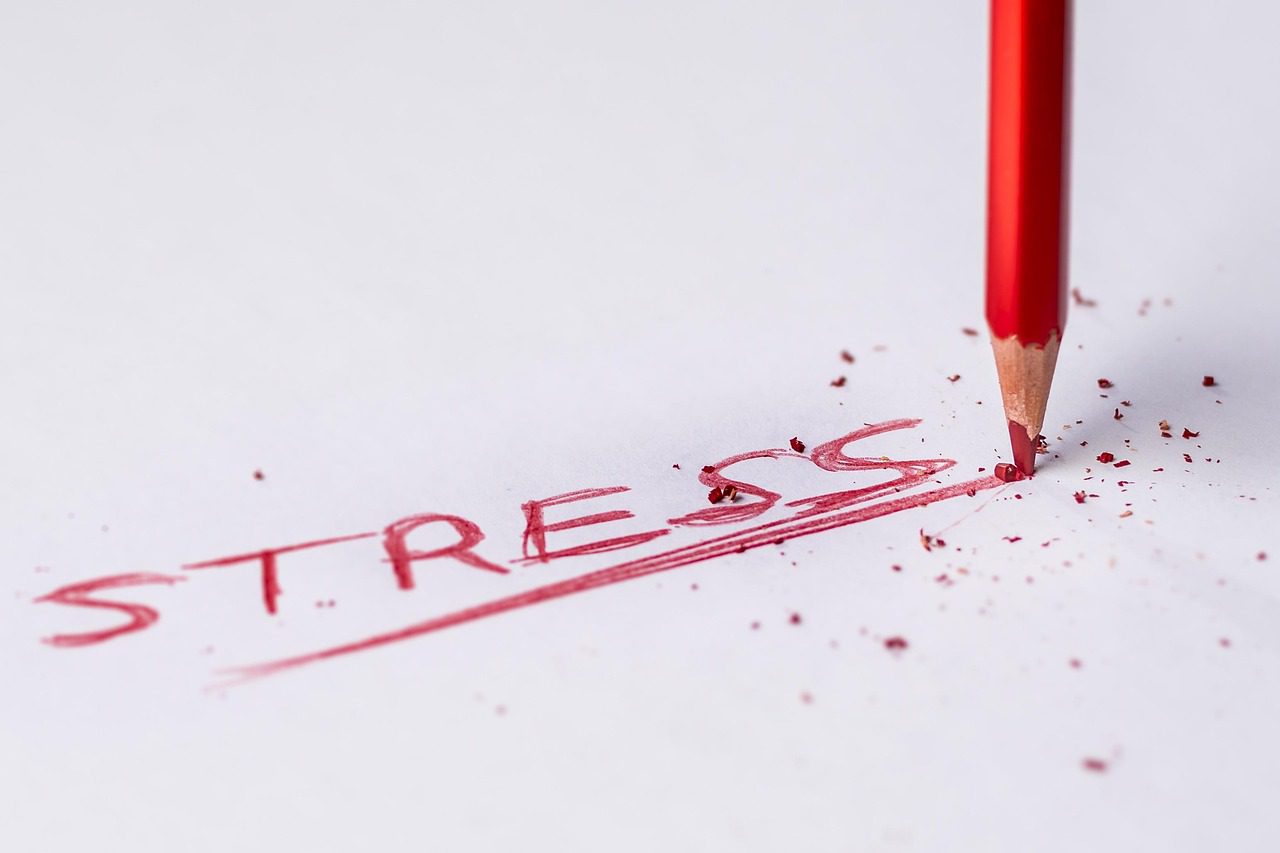
Stress may be a constant companion, but the holidays can make it worse. Extra demands—shopping, travel, decorating, family expectations, social events can push even calm people toward overwhelm. In the first chapter of my new book Hope and Healing for Anxiety, I explain that unmanaged stress is often the doorway to anxiety. If you don’t recognize stress early and deal with it, you can slide into anxiety and miss the peace the season is meant to bring.
Step 1: Identify What’s Stressing You
A simple but powerful first step is supported by stress-management research. Name your stressors. Studies show that labeling your emotions and stressors quiets the amygdala (the brain’s alarm center) and increases clarity for problem solving.
Take a moment and write down everything weighing on you. Then divide the list into:
Short-Term Stressors
These are the holiday-specific pressures that will pass—gift buying, planning meals, hosting guests, decorating, or preparing for travel. They feel big in the moment, but because they are temporary, they don’t cause the same long-term wear and tear on the body that chronic stress does.
Chronic Stressors
These are the issues that last well beyond Christmas—financial strain, work pressure, ongoing conflict, caregiving demands, or relationship problems. Research consistently shows that chronic stress raises cortisol levels for long periods, which can disrupt sleep, weaken immunity, worsen inflammation, and contribute to anxiety and depression.
Because chronic stress has deeper physiological and emotional effects, it requires more direct attention.
Step 2: Notice How Your Body and Mind React
Stress affects everyone differently. Scientists call this your “stress signature,” the unique way your body, emotions, and behaviors respond.
Ask yourself:
- Physical signs: headaches, muscle tension, jaw clenching, stomach issues, fatigue
- Emotional signs: irritability, sadness, anger, feeling overwhelmed
- Behavioral signs: withdrawing from others, overeating, overworking, drinking more alcohol, gambling, overspending
These reactions are normal. When your brain perceives pressure, it activates the stress response system. But seeing your patterns can help you act earlier.
Step 3: Look for Patterns and Then Address the Root
As you review your list and your reactions, can you spot a theme? For many people, stress revolves around the same core areas: finances, relationships, perfectionism, time pressure, or unresolved hurt.
Spiritually
You are not meant to carry all this alone. Scripture reminds us to cast our burdens on the Lord. Sometimes that means forgiving someone, letting go of an old wound, or extending grace during a tense holiday moment.
Practically
Once you spot the root, deal with it, not just the symptoms. Research-supported stress-reduction strategies include:
- Regular physical activity: even 20 minutes reduces stress hormones
- Volunteering/giving back: linked to lower stress and greater well-being
- Setting financial boundaries: consulting an accountant or financial planner can lower financial anxiety
- Social connection: supportive relationships buffer the physiological effects of stress
- Bible reading to renew our mind daily
Short-term comfort (shopping, snacking, scrolling) may provide relief for minutes, but addressing the underlying issue brings long-term peace.
Step 4: Create a Stress-Reduction Plan
Most people become stressed because they overcommit or hold unrealistic expectations of themselves or others. Research shows that perceived control—the sense that you can manage what’s happening—is one of the strongest predictors of lower stress.
To build that control:
- Say no more often
- Plan ahead and spread out tasks
- Set boundaries on what you can handle
- Drop perfectionism
- Adjust expectations of family members who may not change
- Stay focused on the true meaning of a holiday
- Build your spiritual muscles
Consistent stress relief in mental, emotional, relational, and spiritual areas is what creates resilience.
Bottom Line
You can get through holiday stress with intention. Manage the short-term pressures through planning, and then take steps to address the deeper, chronic stressors that truly affect your health and peace. When you deal with stress early, you protect your body, mind, and spirit and you make room for a season of joy and meaning
 Read Previous Post