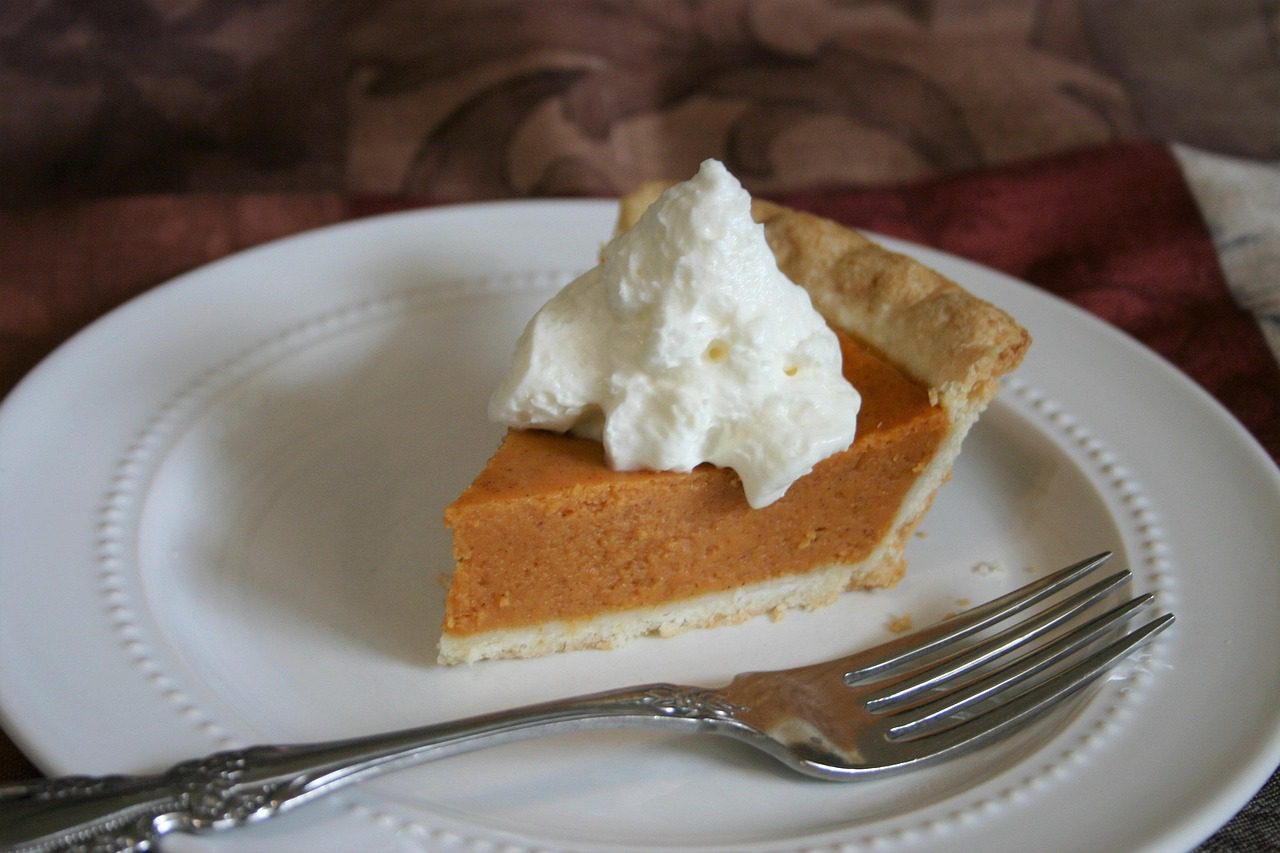
 Sarah stood in her kitchen the morning after her office holiday party, staring at the leftover pecan pie. “I was doing so well,” she thought, remembering the stuffing, the gravy, and the two slices of pumpkin pie she happily devoured on Thanksgiving. Now Christmas gatherings were beginning, cookie exchanges were popping up on the calendar, and she wondered, “How am I going to make it through the holiday season without gaining a lot of weight?”
She’s not alone. Once Thanksgiving hits with its irresistible sides and desserts, the festive feasting often continues straight through New Year’s. Weight gain is a common concern, but the belief that most people add 5 to 7 pounds during the holidays simply isn’t true. Research shows that most of us gain about one pound.
The relief is short-lived, though. The problem is that we tend to keep that pound, and over the years, those pounds accumulate. According to the National Institutes of Health, that small but consistent yearly gain may contribute to long-term obesity. So yes, enjoy the holidays but maybe don’t dive into the dessert table with reckless abandonment!
Think about prevention like this: it takes an extra 3,500 calories to gain a single pound. That means you’d need to significantly overeat without counterbalancing those calories. The good news? A few simple habits can help keep that holiday pound from joining you in January.
7 ways to avoid holiday weight gain
1) Choose water over high-calorie drinks.
Sugary lattes, peppermint mochas, sodas, and holiday cocktails add up fast when it comes to calories. Prioritize water whenever possible and limit alcohol. Both calories and cravings go up with drinking.
2) Stick to one serving.
Holiday food is delicious, but portion control matters. Eat slowly, savor your food, and give your brain time to recognize fullness. Enjoy a bite or two of desserts you love but skip the second helping.
3) Avoid stress eating with non-food coping tools.
Stress is one of the biggest drivers of holiday overeating. Pay attention to your emotions and create a list of non-food de-stressors: take a walk, read, stretch, journal, call a friend, or simply rest. Managing stress well helps you keep food in its proper place.
4) Move after a heavy meal.
Research shows that exercise within two hours of overeating can help your body use excess calories. A 10-minute brisk walk, a half hour on the exercise bike, or seasonal activities like skating or cross-country skiing can make a real difference. Bonus: sunlight and movement help your mood, too.
5) Don’t arrive hungry to parties.
Showing up starved almost guarantees overeating. Drink a full glass of water and eat a small piece of fruit beforehand. You’ll feel more in control once you’re surrounded by holiday foods.
6) Park yourself by a low-calorie option.
If you tend to munch socially, this simple strategy works. Stay near veggies and hummus or other healthier choices. In other words, far from the cookie tray. If you’re bringing a dish, make it a lighter one so you know there’s something safe to choose.
7) Prioritize sleep.
Fatigue fuels overeating. When you’re short on sleep, the hunger hormone ghrelin rises, making you feel hungry even when you’re not. Aim for 7–9 hours a night. Sleep plus movement is one of the best prescriptions for preventing weight gain.
Now enjoy this special time of year!
 Read Previous Post